According to Caribbean historian and reparations advocate Professor Verene A. Shepherd, the struggle for reparatory justice for Africans and people of African descent remains an unfinished historical and political struggle.
In a new contribution published by the Tricontinental: Institute for Social Research, Shepherd argues that the legacies of the transatlantic trafficking and enslavement of Africans, as well as colonialism, continue to shape contemporary global inequalities and therefore require a sustained demand for justice and repair.
Titled “The Continuing Struggle for Reparatory Justice,” the article forms the Ninth Pan-Africa Newsletter of Tricontinental for 2026 and was published on 30 September. Shepherd situates the reparations question within the long history of enslavement, colonial exploitation and the economic and social consequences that continue to affect Africa and the African diaspora.
Shepherd also highlights the growing importance of international law and political mobilisation in the reparations movement. She points to the adoption by the United Nations General Assembly on 25 March 2026 of Ghana's resolution concerning the transatlantic trafficking of enslaved Africans and the system of racialised chattel enslavement.
The article further discusses the continuing debate over the legal responsibility of European states for historical injustices. Shepherd addresses arguments based on the principles of inter-temporality and non-retroactivity in international law, while drawing attention to the historical resistance of Africans to enslavement, trafficking and colonial domination.
A central argument of the contribution is that reparations should not be understood simply as compensation for individual acts of historical abuse. Shepherd connects the reparations question to the broader economic consequences of slavery and colonialism, including the destruction of institutions, extraction of wealth and structures that contributed to Africa's continuing underdevelopment.
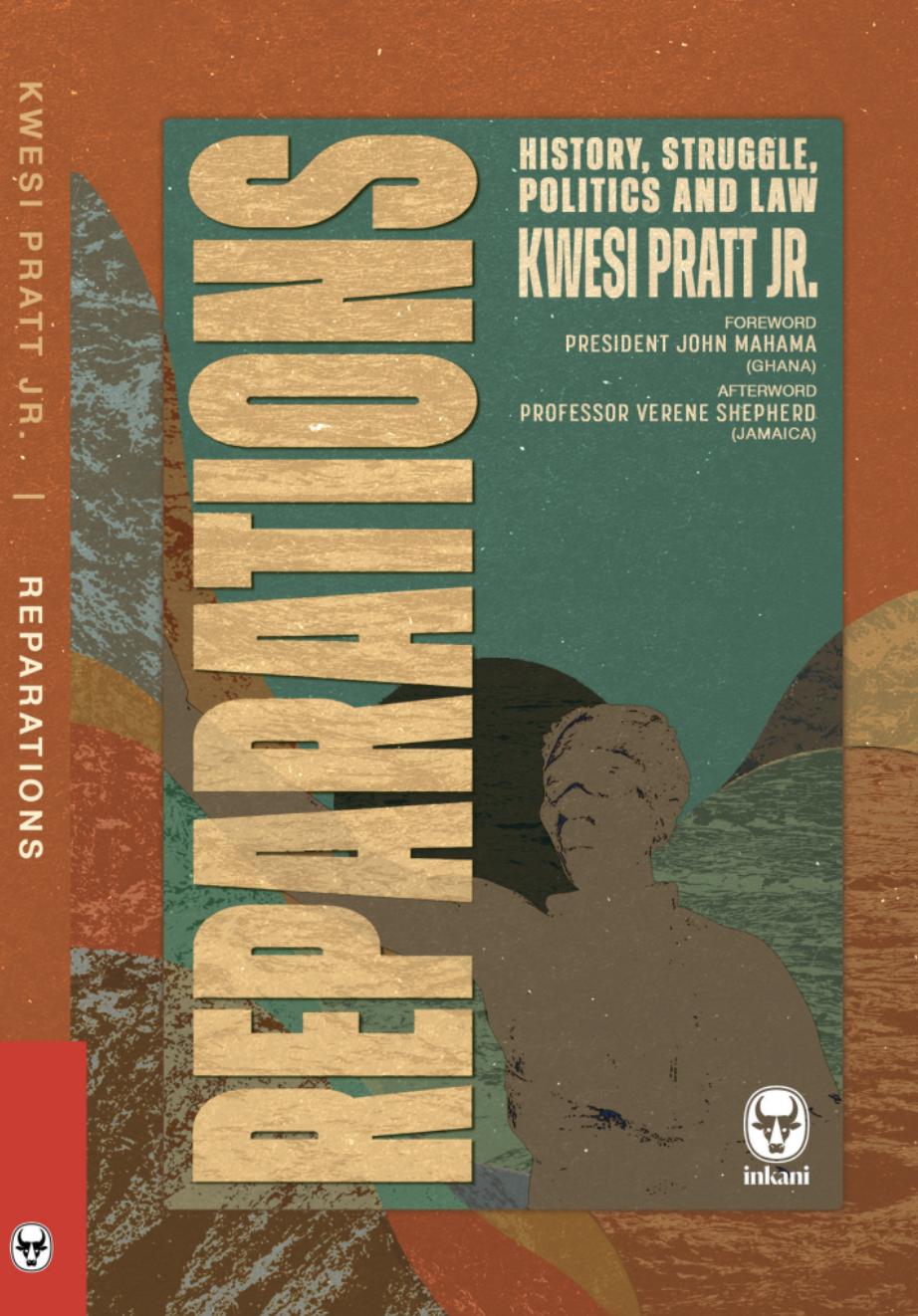
The article is adapted from Shepherd's afterword to Kwesi Pratt Jnr.'s forthcoming book, Reparations: The History, Struggle, Politics, and Law, which is due to be published by Inkani Books. The book examines the historical, political and legal foundations of Africa's case for reparations.
For the Pan-African reparations movement, the contribution comes amid renewed efforts to move the question of reparatory justice from historical recognition towards concrete political, legal and institutional action.
Professor Shepherd is Emerita Professor of Social History at the University of the West Indies and Vice-Chair of the CARICOM Reparations Commission. She has written extensively on Caribbean history, human rights, social justice and reparations.
Source: Tricontinental: Institute for Social Research, “The Continuing Struggle for Reparatory Justice,” 30 September 2026, by Verene A. Shepherd.
Read the original article: The Continuing Struggle for Reparatory Justice — Tricontinental
Cover Image Source