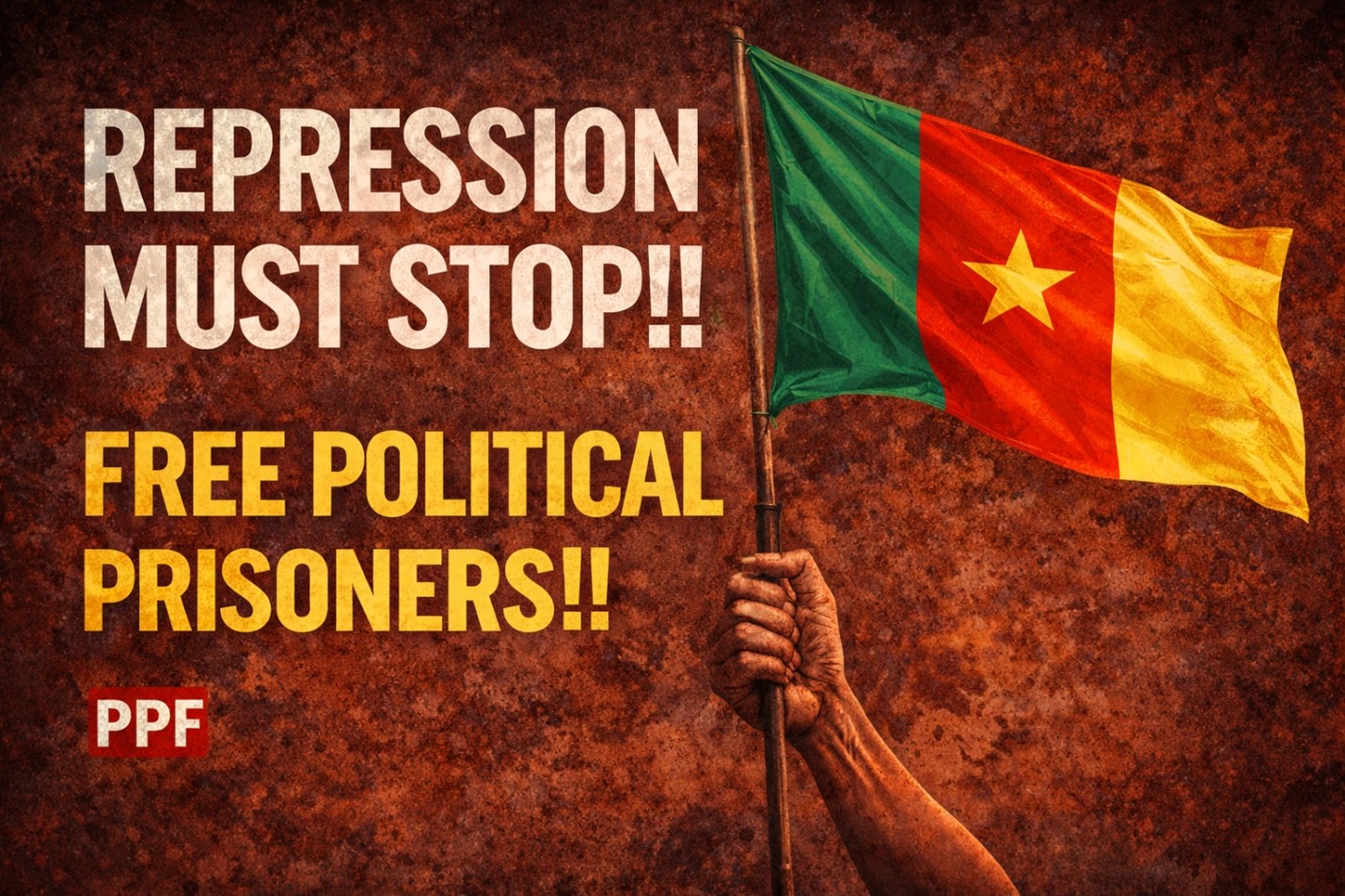
Cameroon has entered a new chapter of political repression and instability following the highly contested October 12, 2025 presidential election. The re-election of President Paul Biya, at age 92 and after more than four decades in power, has been accompanied by widespread allegations of fraud, violent crackdowns on dissent, and a deteriorating human and political rights situation.
Despite opposition claims of irregularities and widespread protests in major cities such as Douala, Yaoundé, Garoua, and others, Cameroonian authorities maintained that Biya secured a new mandate with approximately 53.66% of the vote, a result rejected by key opposition figures. Protesters responded with demonstrations denouncing the result as illegitimate, but state forces used tear gas, water cannons, and live ammunition to suppress crowds. According to Human Rights Watch, dozens of civilians were killed and hundreds arrested in the weeks following the vote.
Amid this repression, Anicet Georges Ekane, president of the African Movement for New Independence and Democracy (MANIDEM), died in military detention on December 1, 2025, triggering widespread outrage. Ekane was detained in late October after advocating for opposition unity behind Issa Tchiroma Bakary, who himself rejected the election outcome. Ekane’s supporters and family allege that he was denied adequate medical care, including vital respiratory support, while in custody; a claim that has fueled accusations that his death was politically motivated rather than natural. If claims are proven true, this action and incident is easily one of Murder, other than mere demise.
International responses have underscored concern. The European Union delegation to Cameroon issued condolences and renewed calls for the release of political detainees, while civil society and human rights organizations have documented systematic abuses including arbitrary arrests, excessive use of force, and inadequate access to justice. The African Commission on Human and Peoples’ Rights has also expressed alarm regarding the deterioration of rights, including reports of heavy-handed policing and internet shutdowns aimed at stifling dissent.
The crisis has highlighted deep structural issues within Cameroonian governance, from the exclusion of credible opposition voices to the heavy reliance on security forces to contain political opposition. Critics argue that longstanding constraints on freedom of expression, assembly, and independent civic action have been reinforced rather than loosened in the post-election environment.
From Pan-African Progressive Front (PPF) view, the situation in Cameroon illustrates the broader struggle across the continent for democratic accountability, transparent governance, and respect for human rights. The continued detention of hundreds of peaceful protesters and political actors, many without formal charges or access to fair judicial proceedings undermine basic rights and perpetuates cycles of exclusion and disillusionment. The death of a prominent opposition leader under state custody, particularly in contested political conditions, erodes public trust and deepens political polarisation.
PPF asserts that justice, transparency, and inclusive dialogue must be central to resolving Cameroon’s crisis. This includes independent investigations into deaths in custody, the release of political detainees, and respect for constitutional rights to protest and political participation. Without such measures, the path toward national reconciliation and sustainable peace remains obstructed.
As the situation evolves, PPF stands in solidarity with Cameroonian civil society, activists, and all actors committed to democratic progress, human rights, and people-centered governance.
Meanwhile, to all our readers, comrades and friends, what actions can we take to collectively demand the immediate release of the other political protesters who are currently still being detained against all forms of human rights?
Share your comments, reflections, and proposals aimed at advancing collective action and progressive change for our brothers and sister in Cameroon.