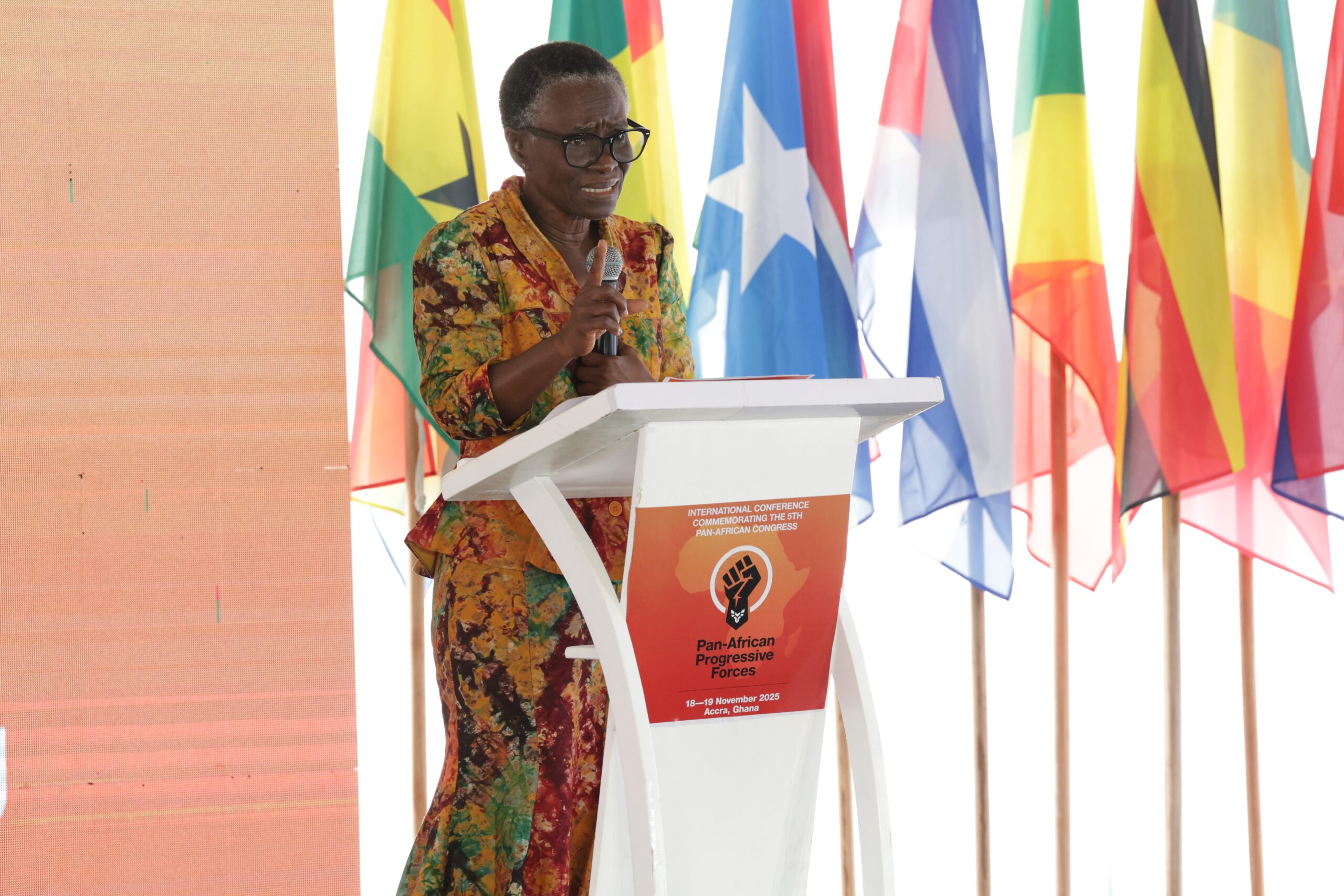
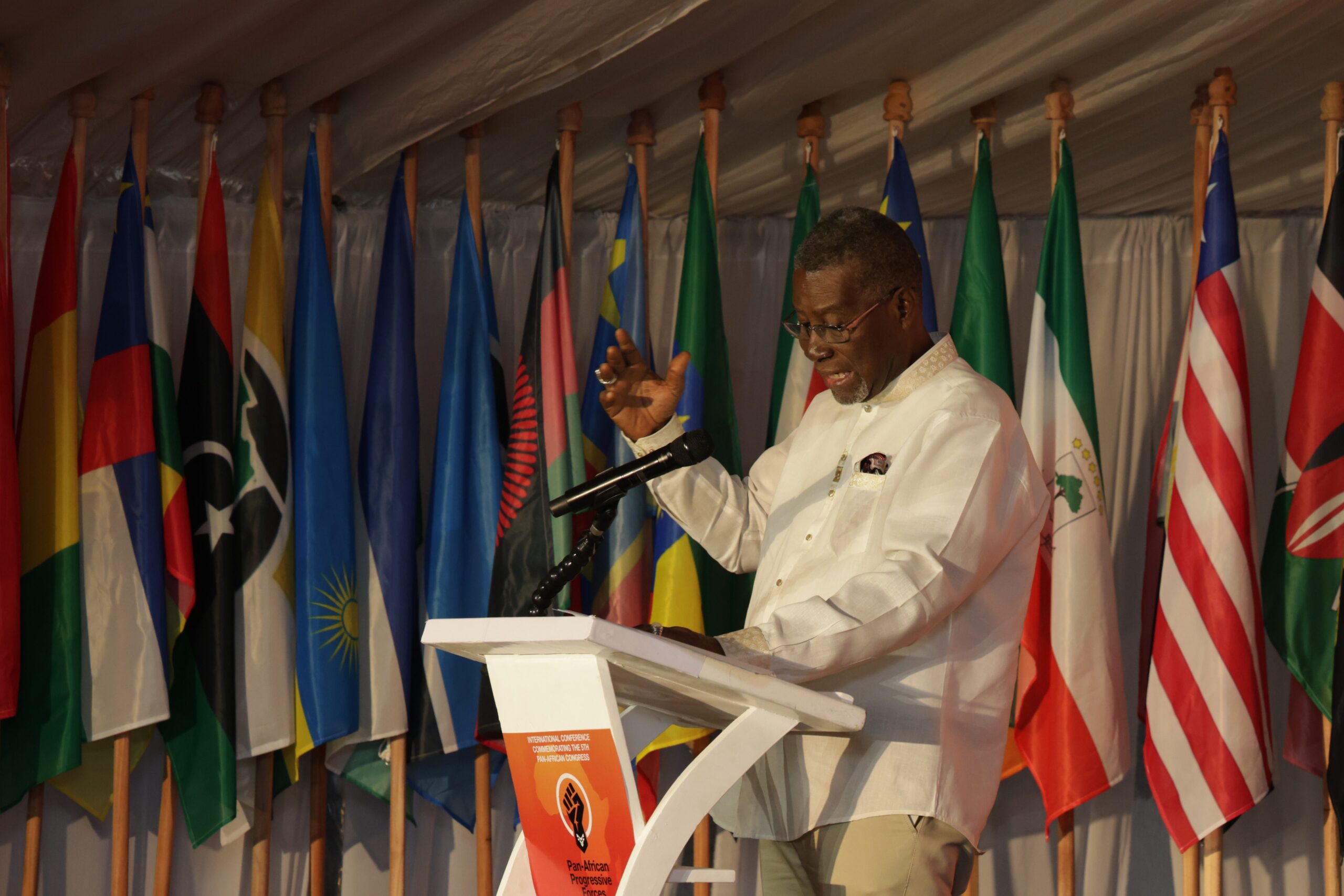
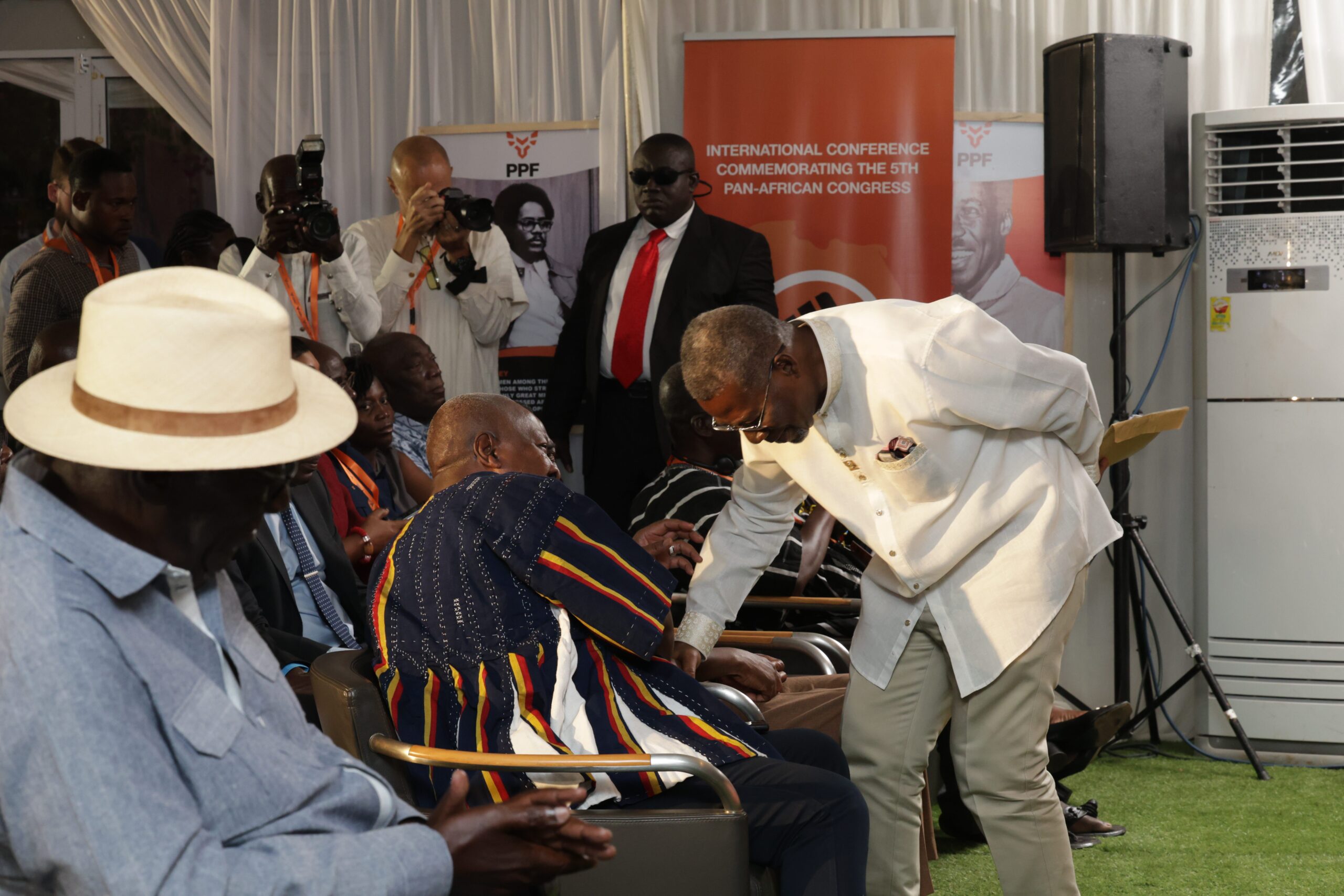
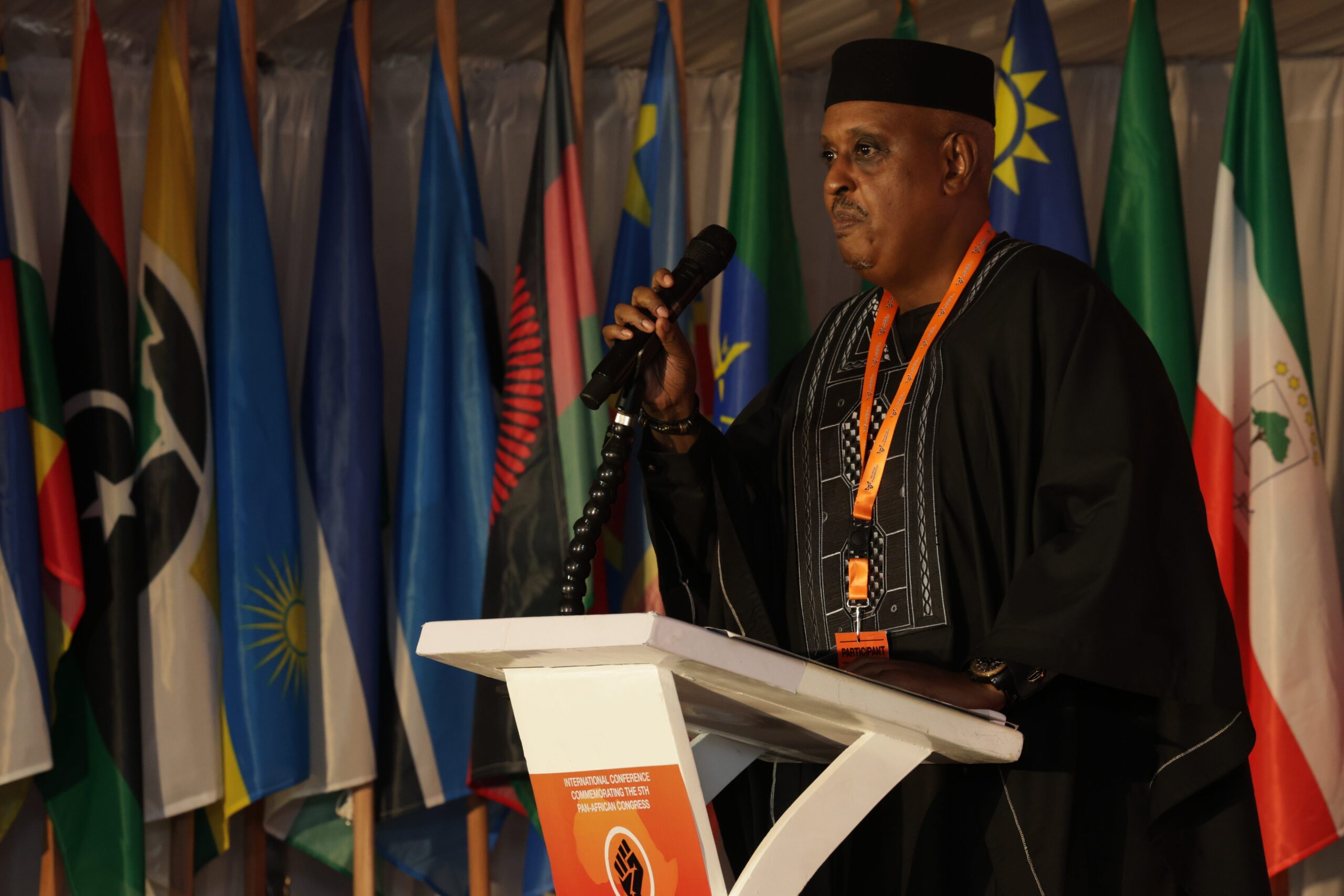
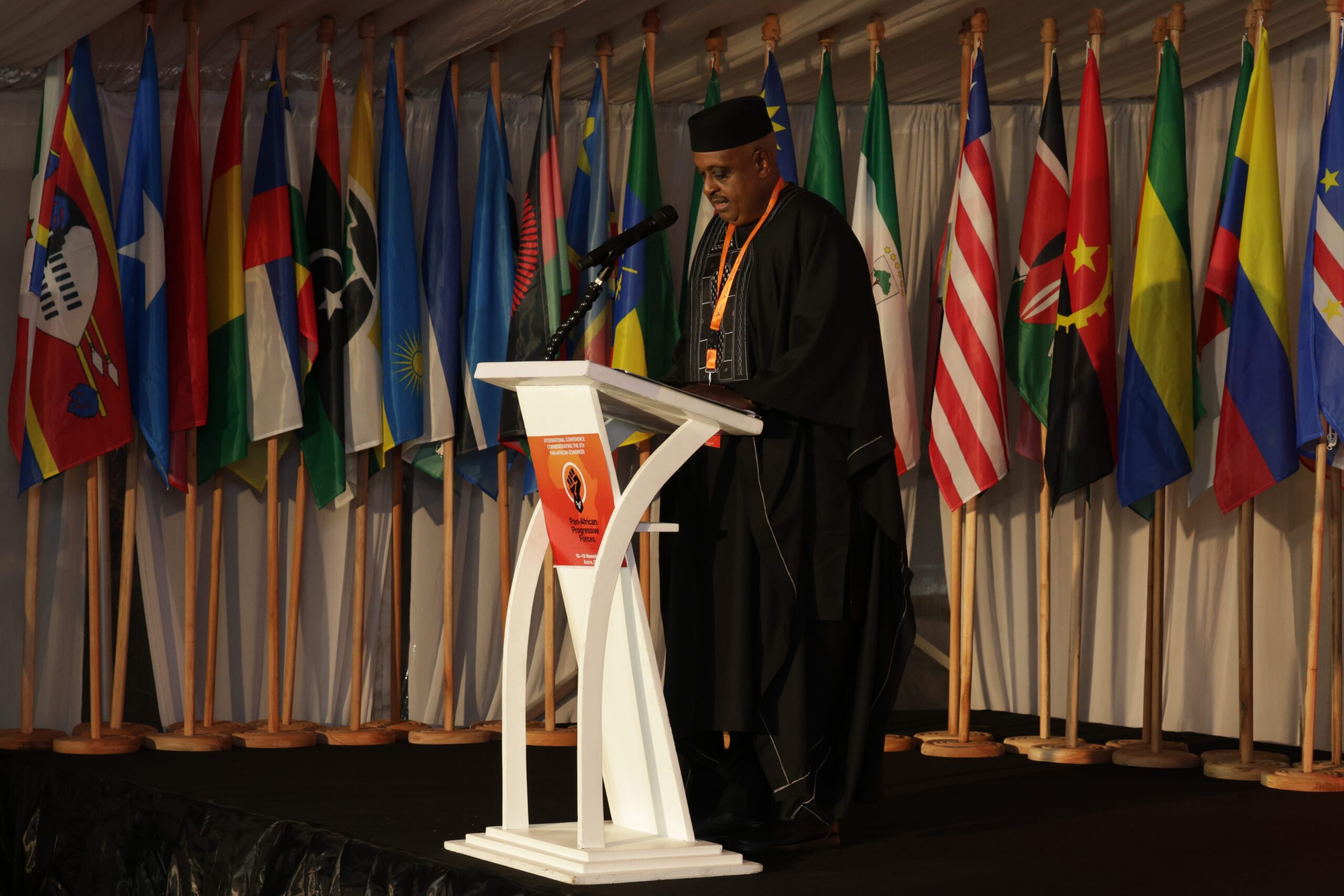
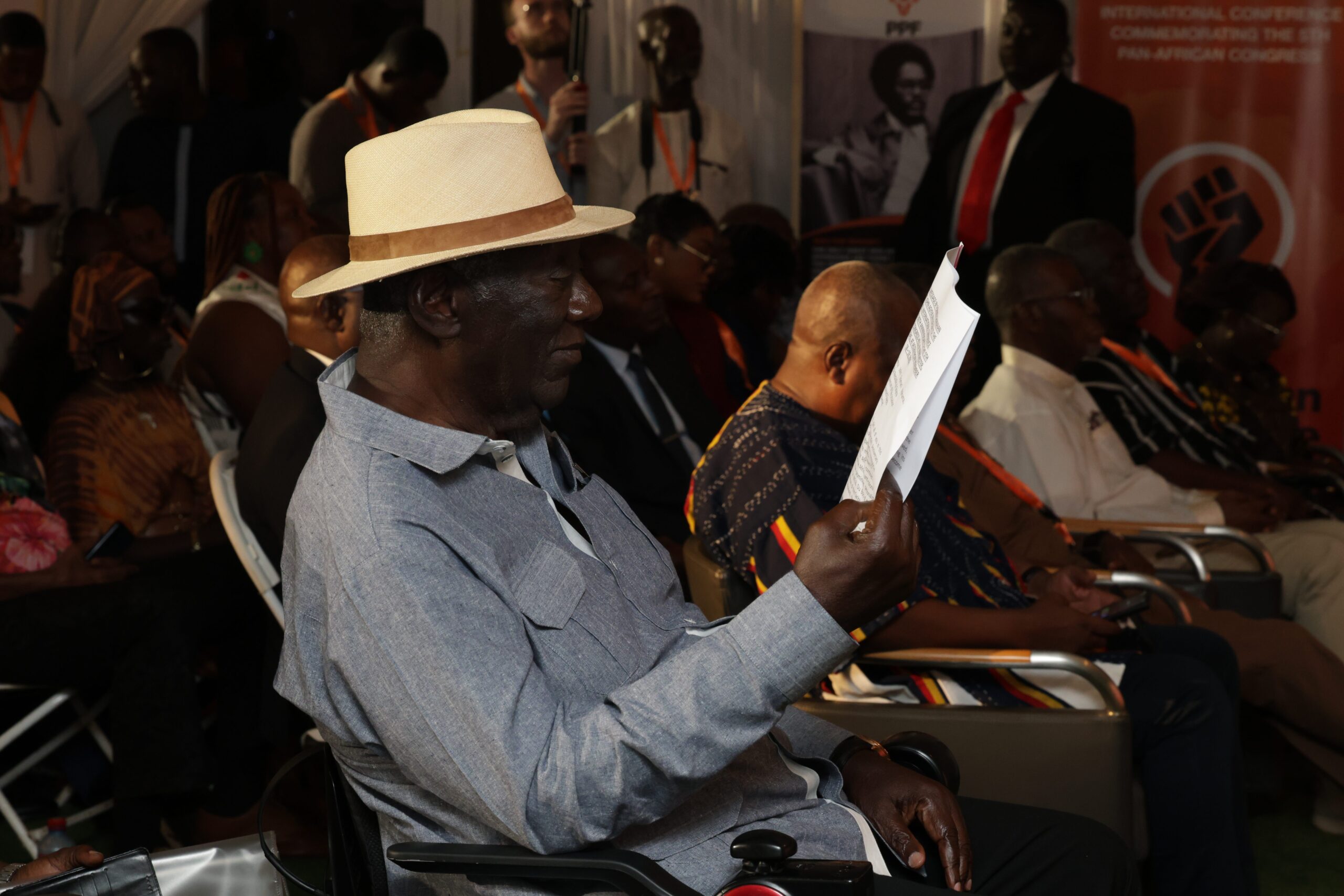
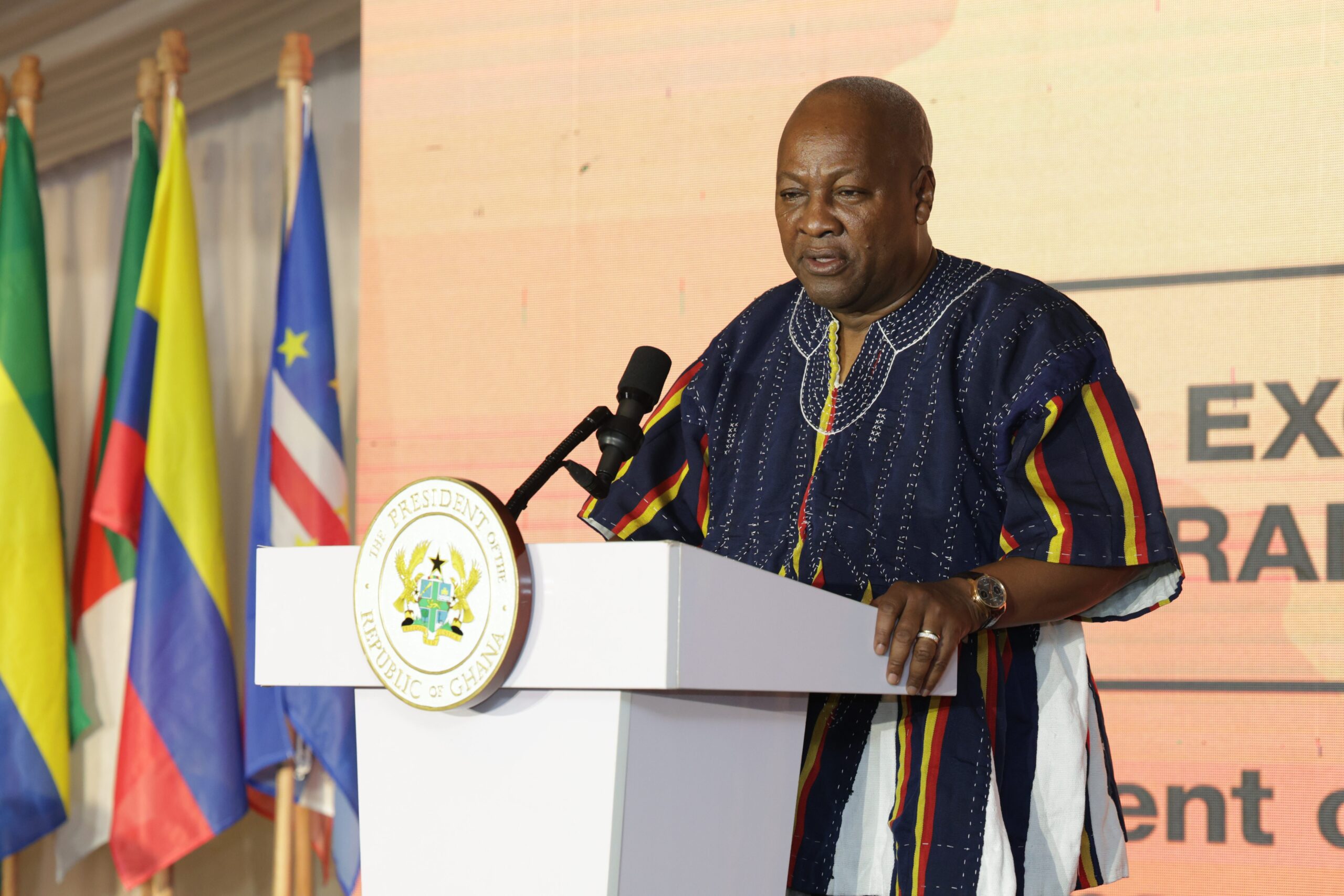
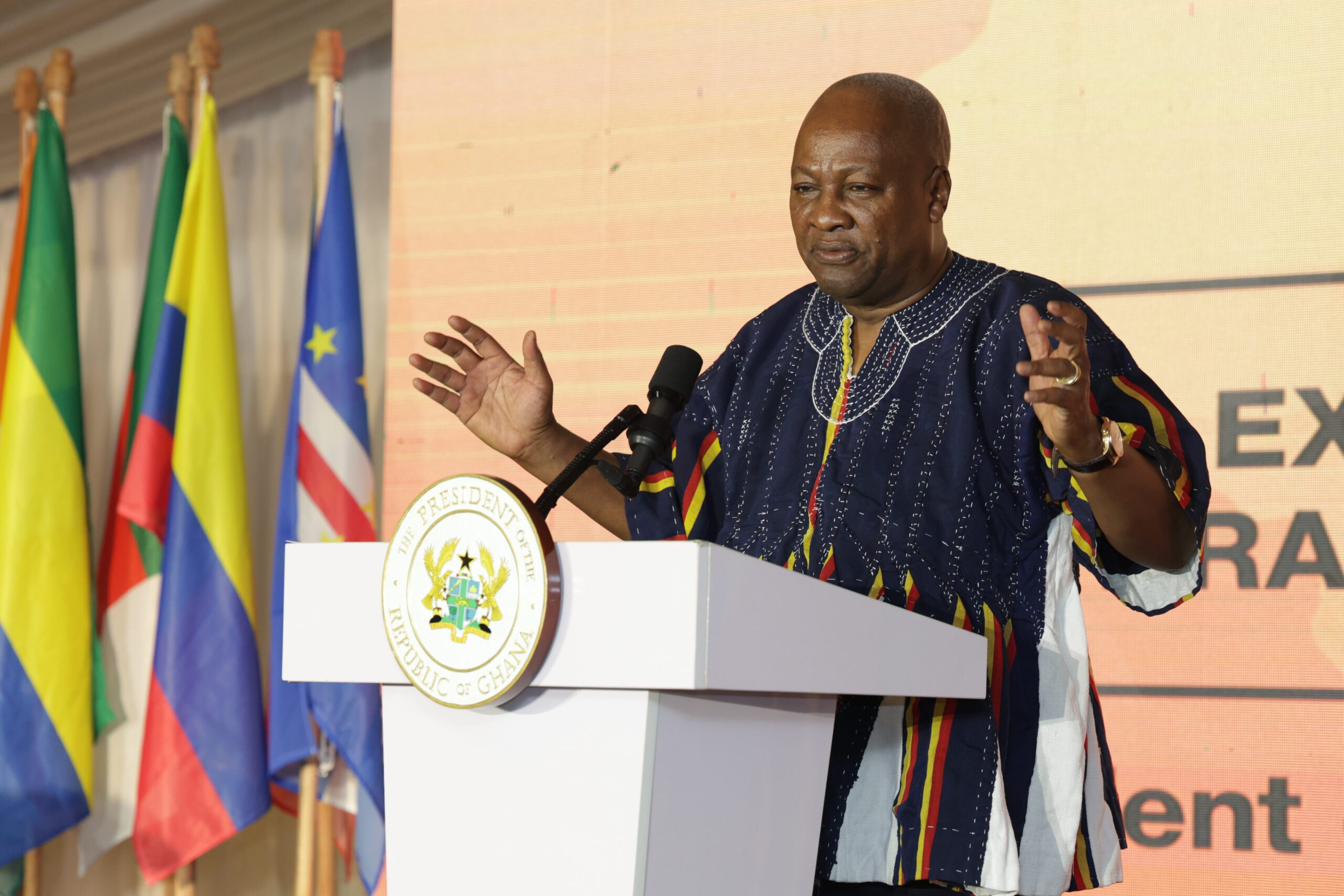
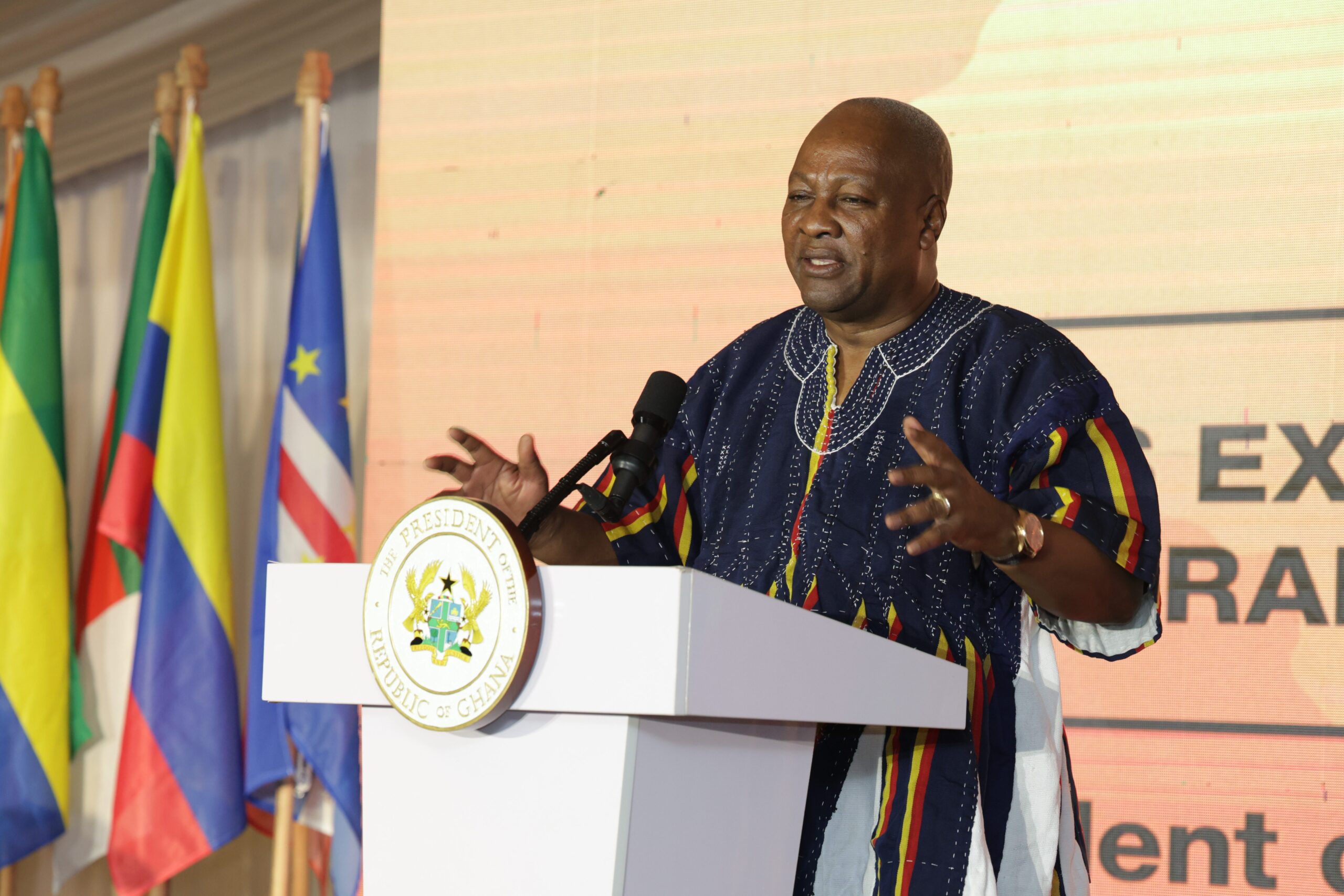
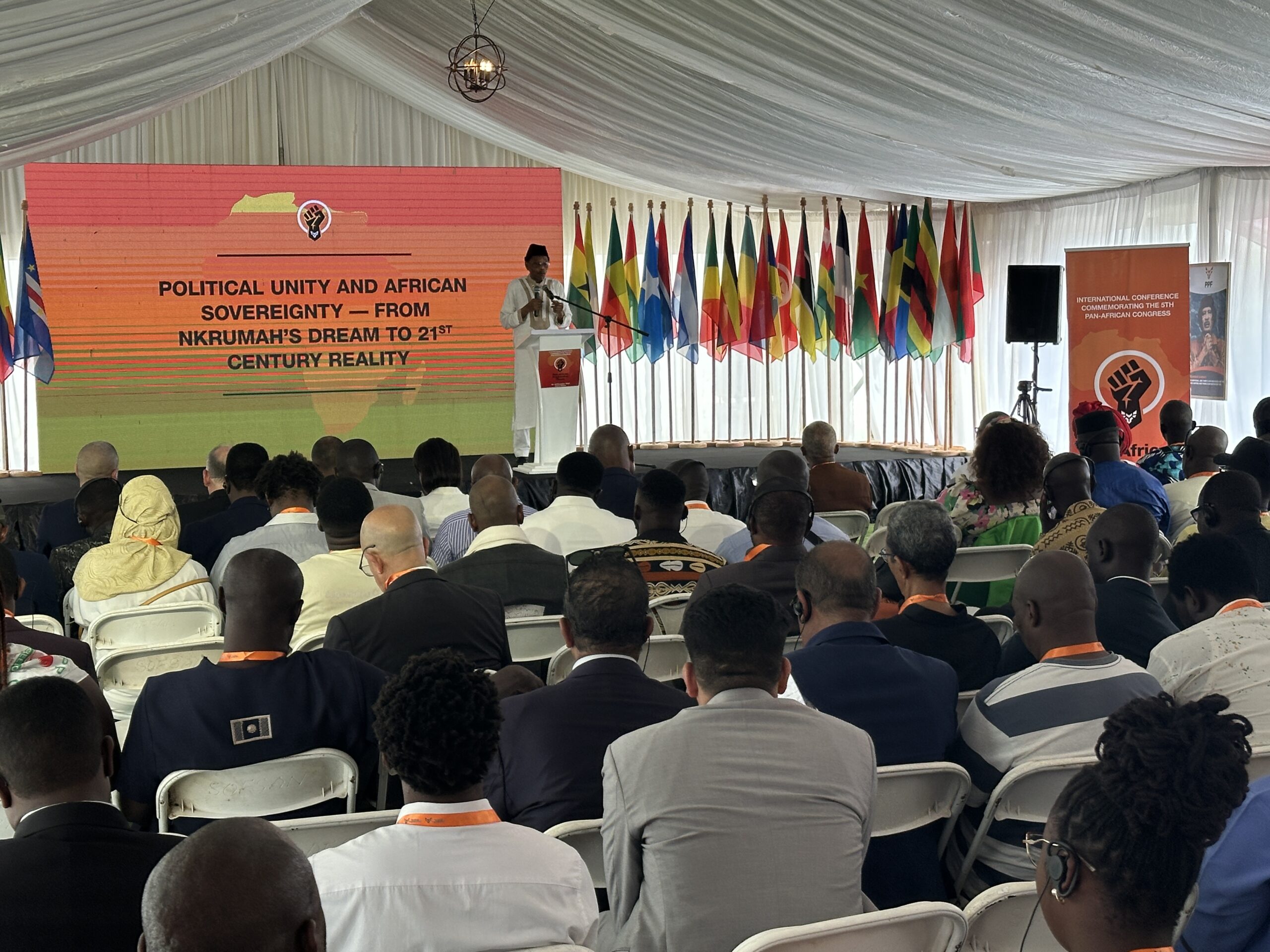
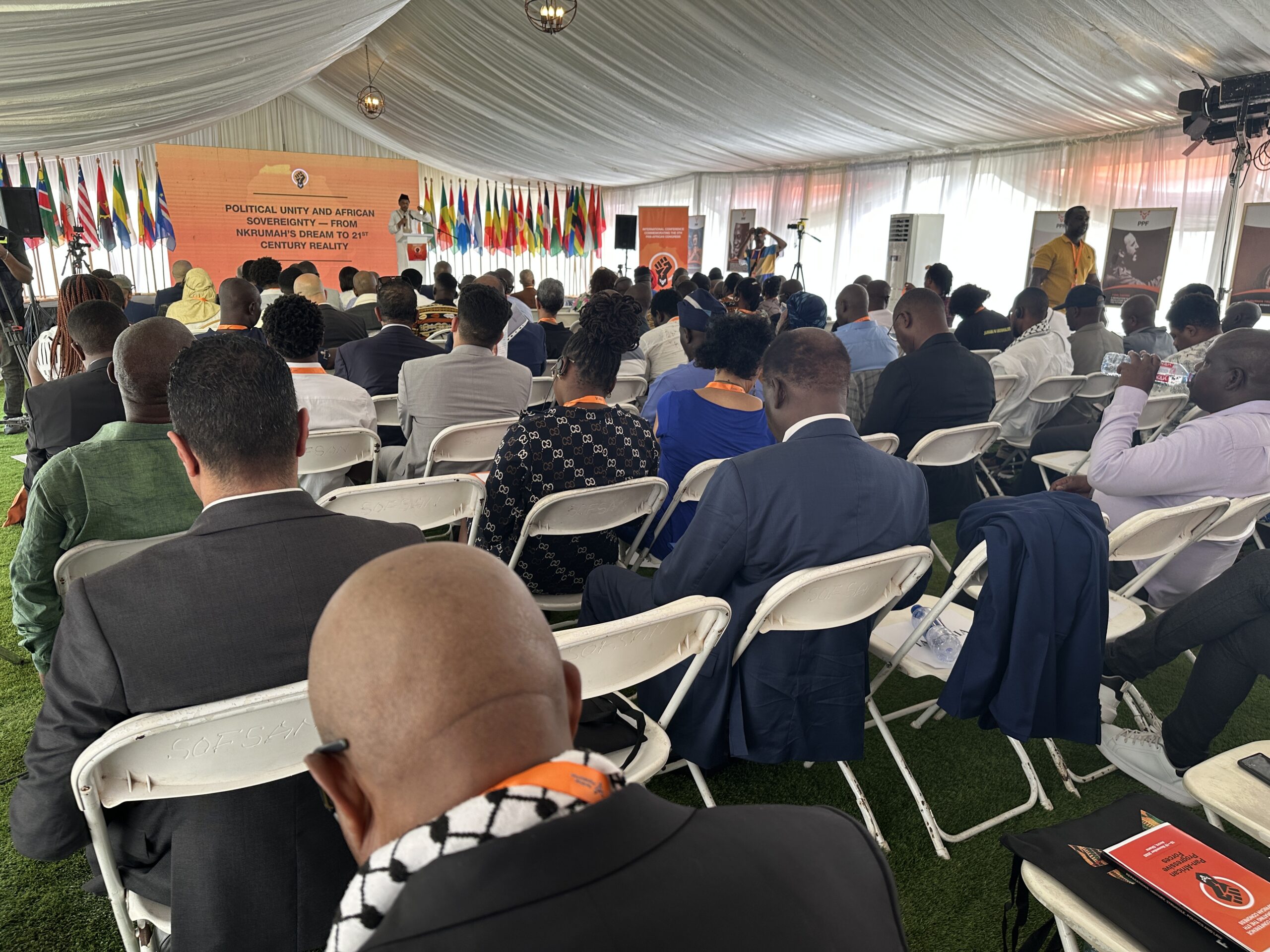
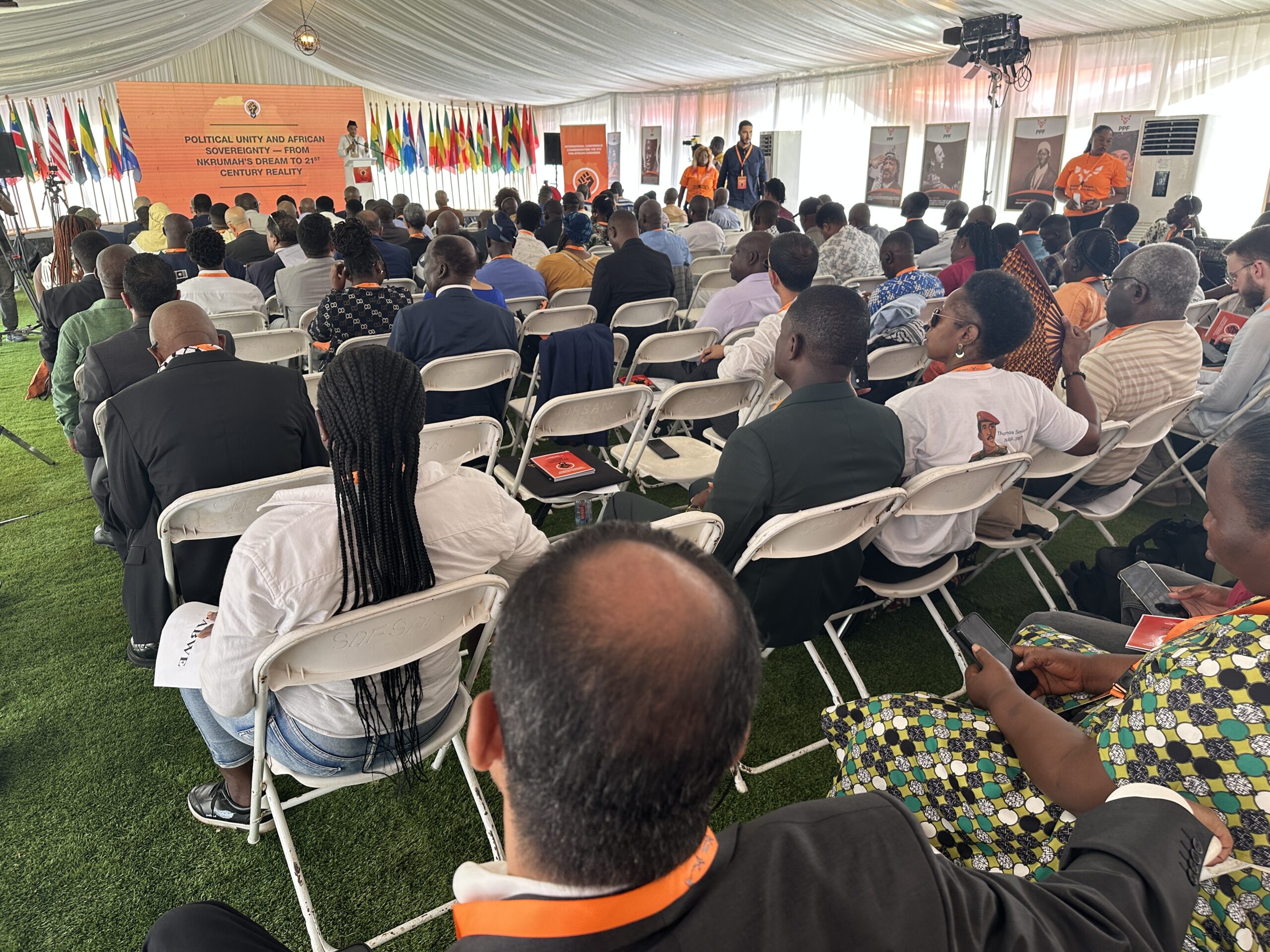
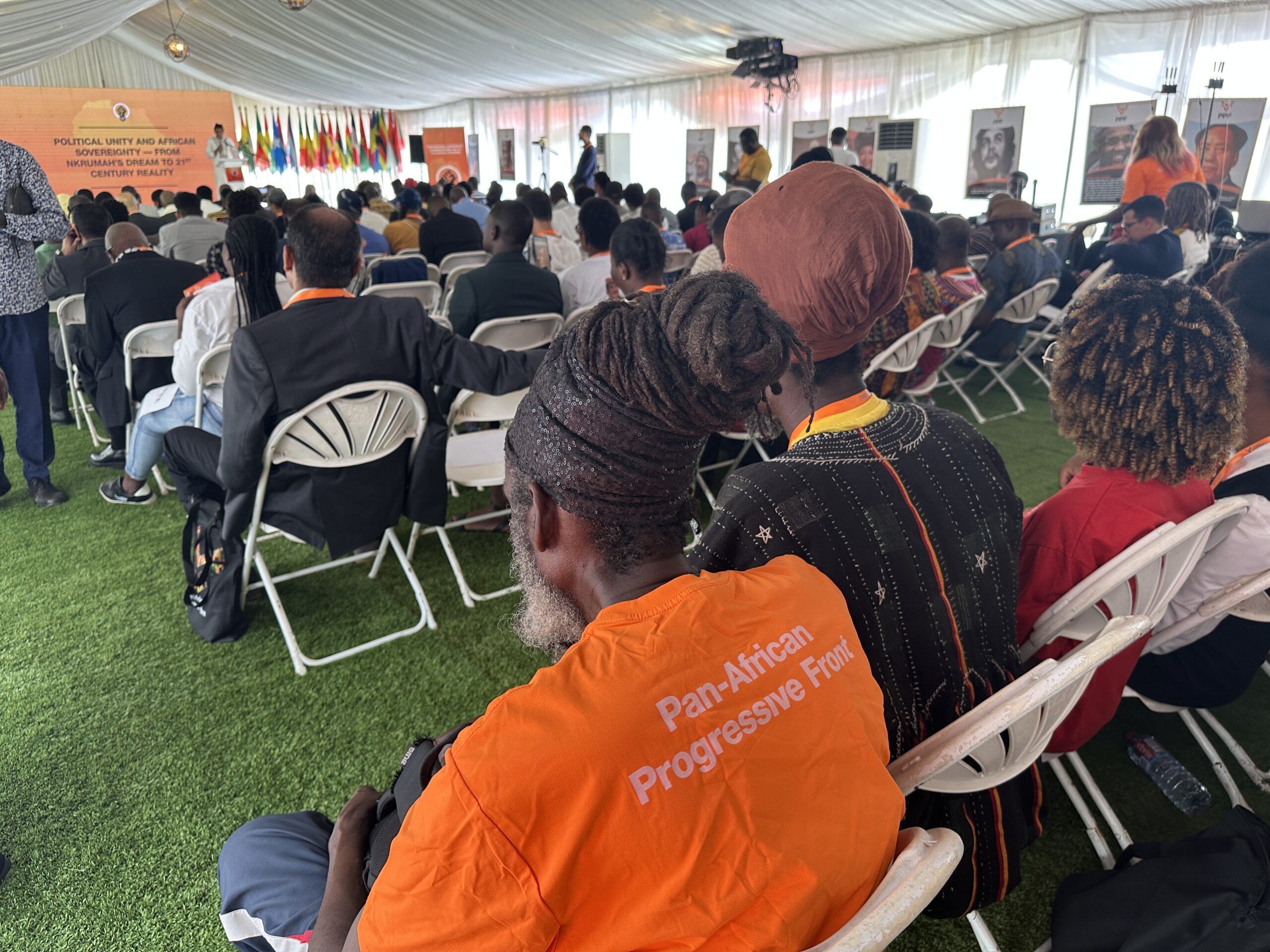
Conference
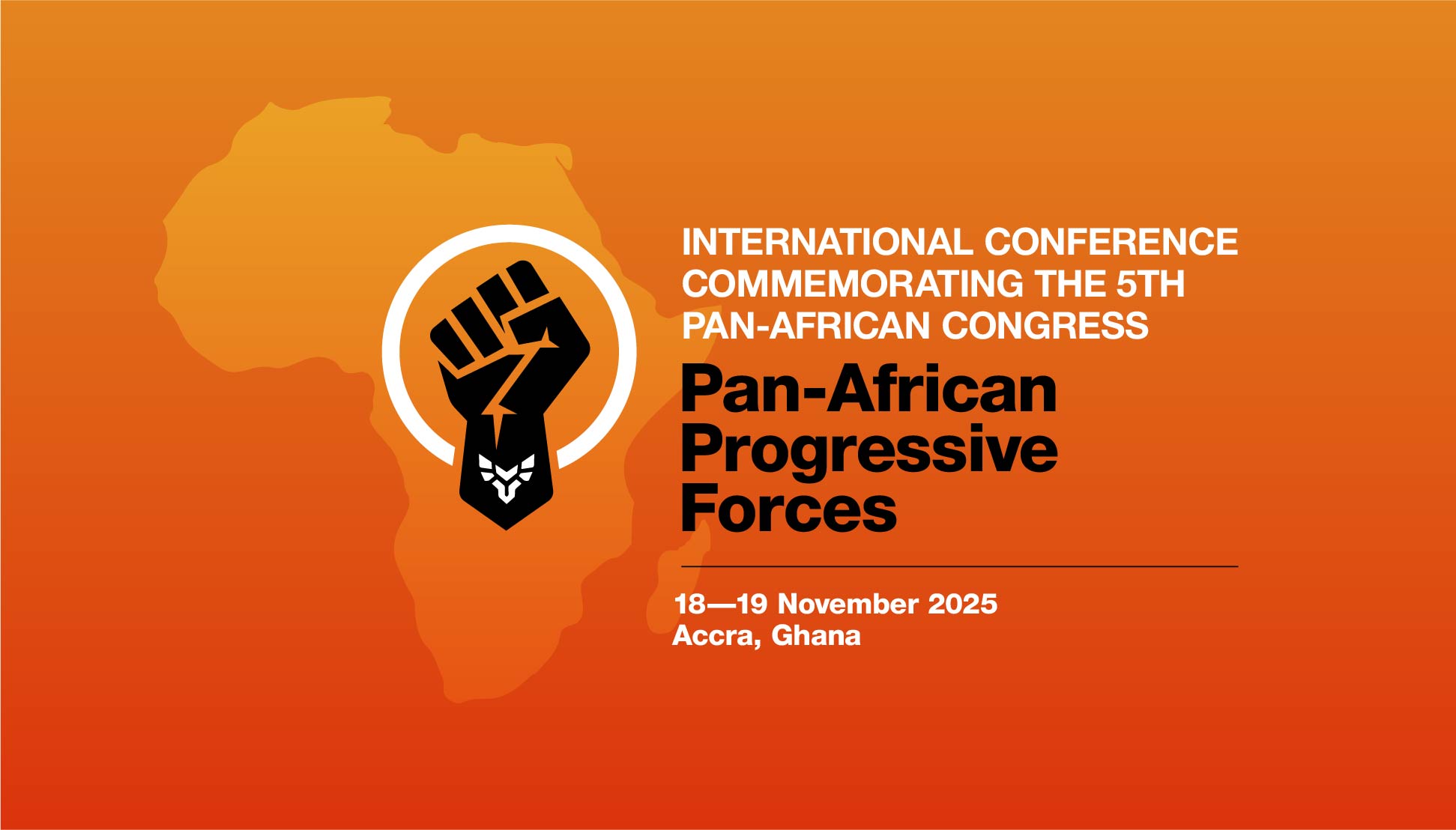
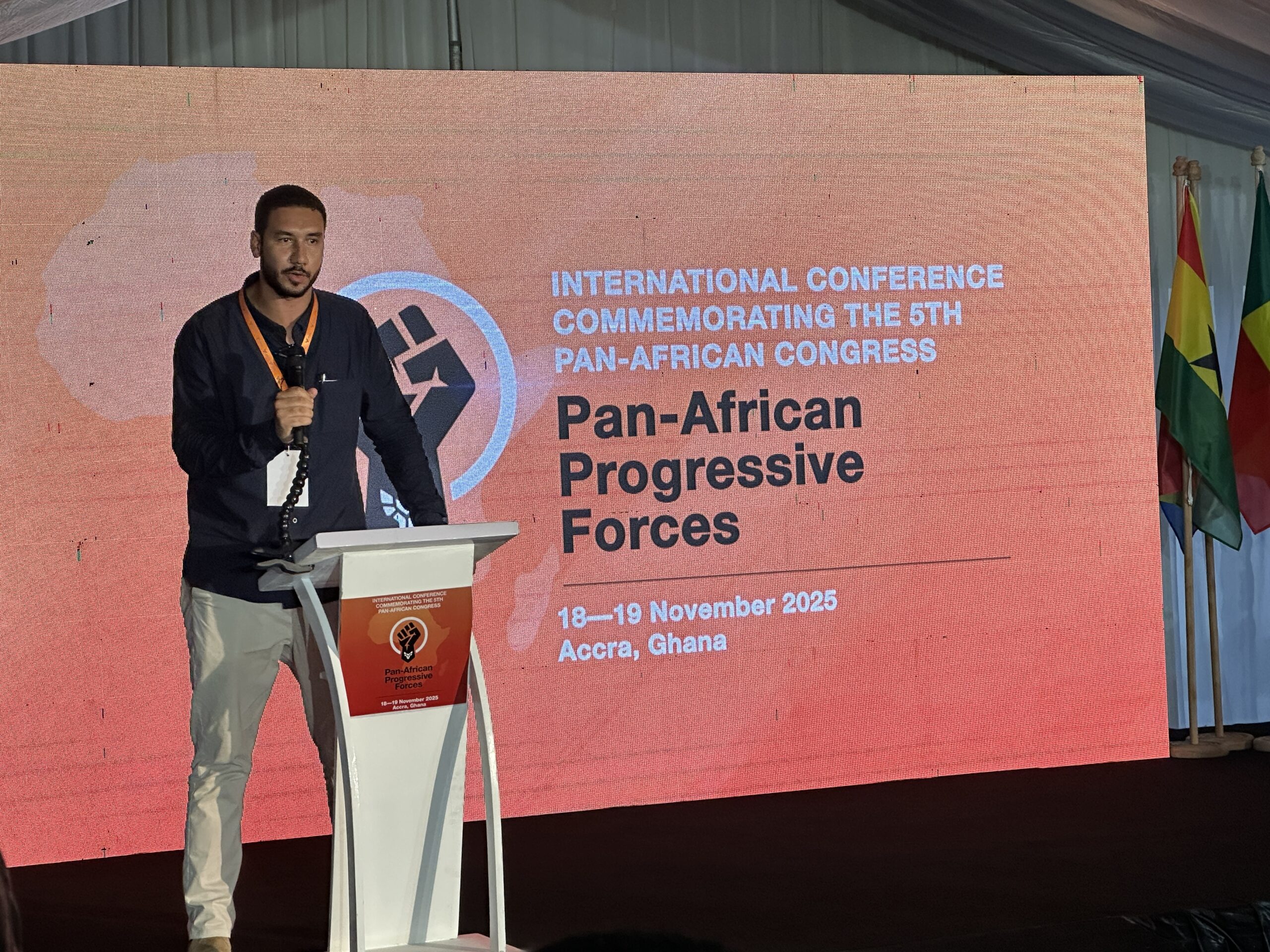
The Pan-African Progressive Front (PPF) is an international non-governmental organization headquartered in Accra, Ghana. It stands at the forefront of the fight for Africa’s unification and is committed to coordinating and supporting progressive movements across Africa and the diaspora, with the goal of advancing the true interests and future of our continent. Inspired by the vision of the great Dr. Kwame Nkrumah and other Pan-Africanists, PPF believes that Africa’s destiny must rest in the hands of its own people, and that its future lies in its political and economic unity – serving as the bedrock of our strength and continental sovereignty.
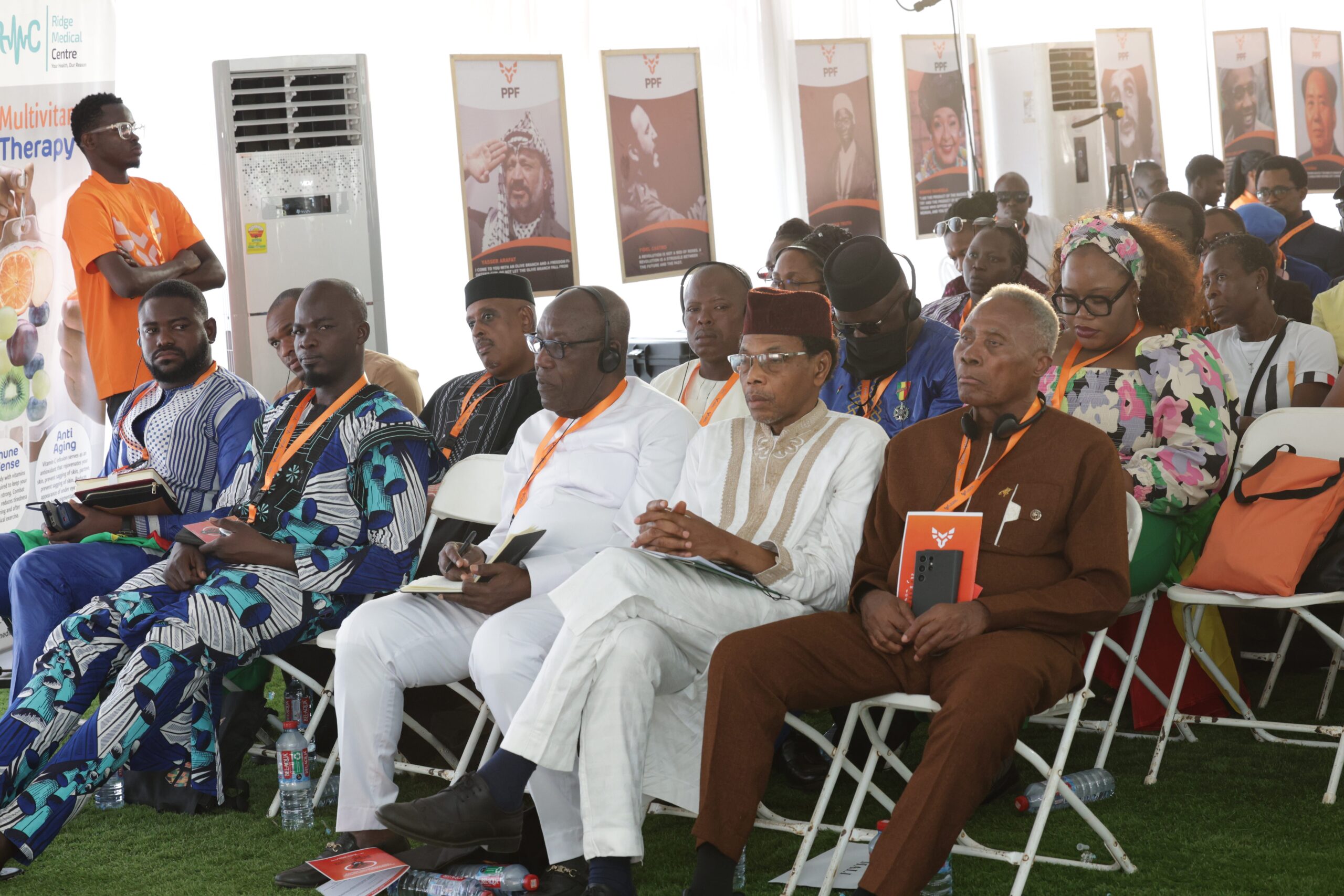
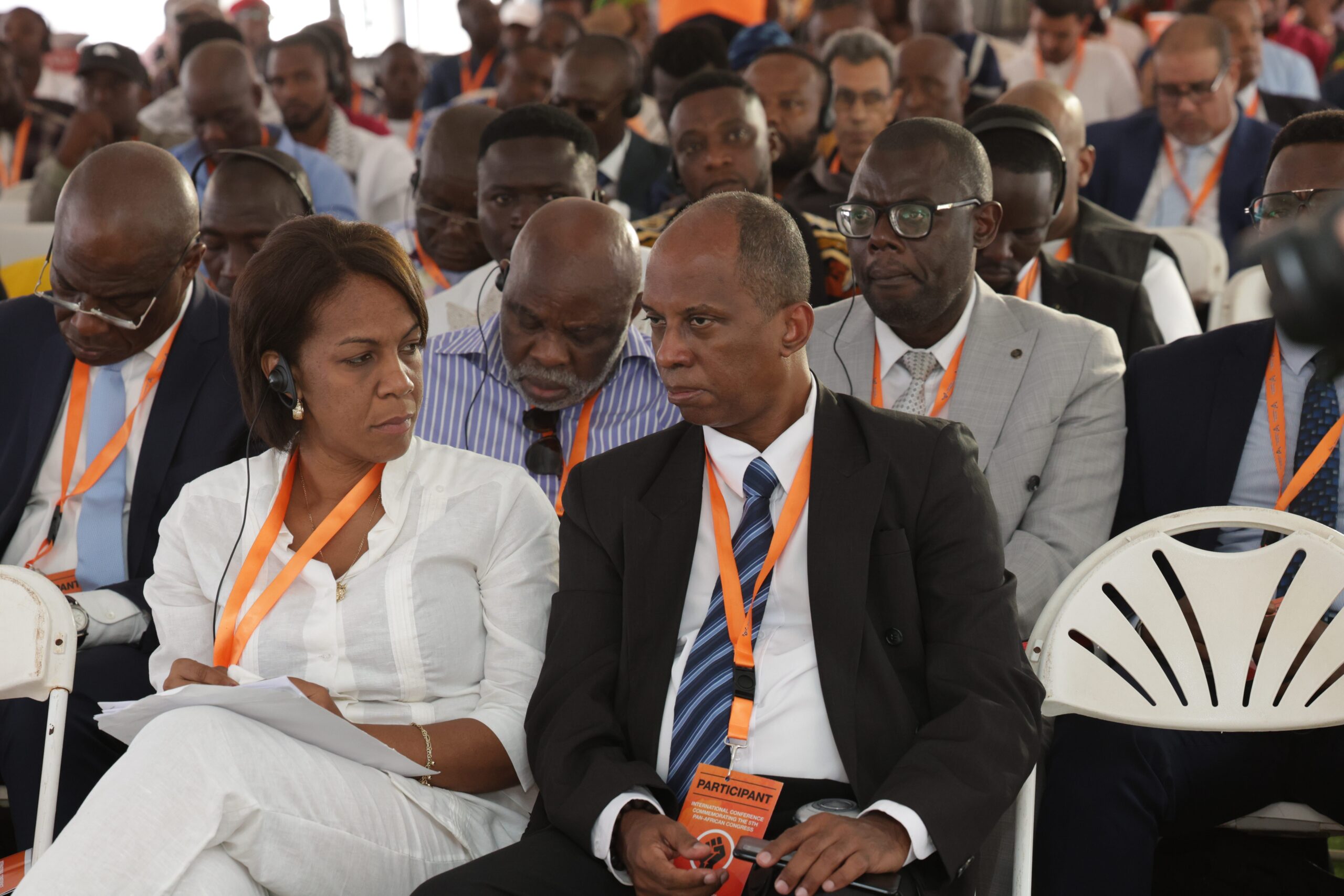
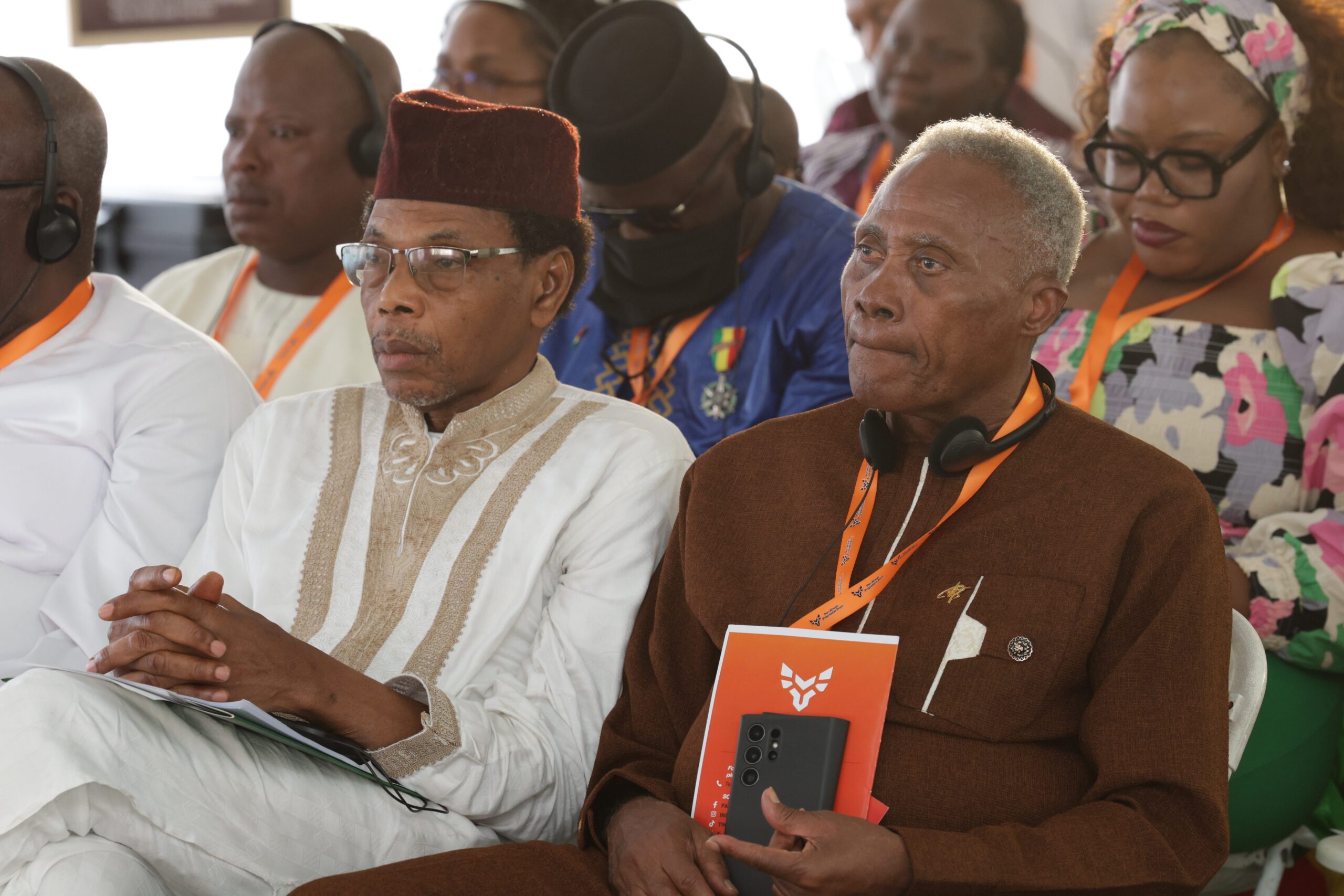
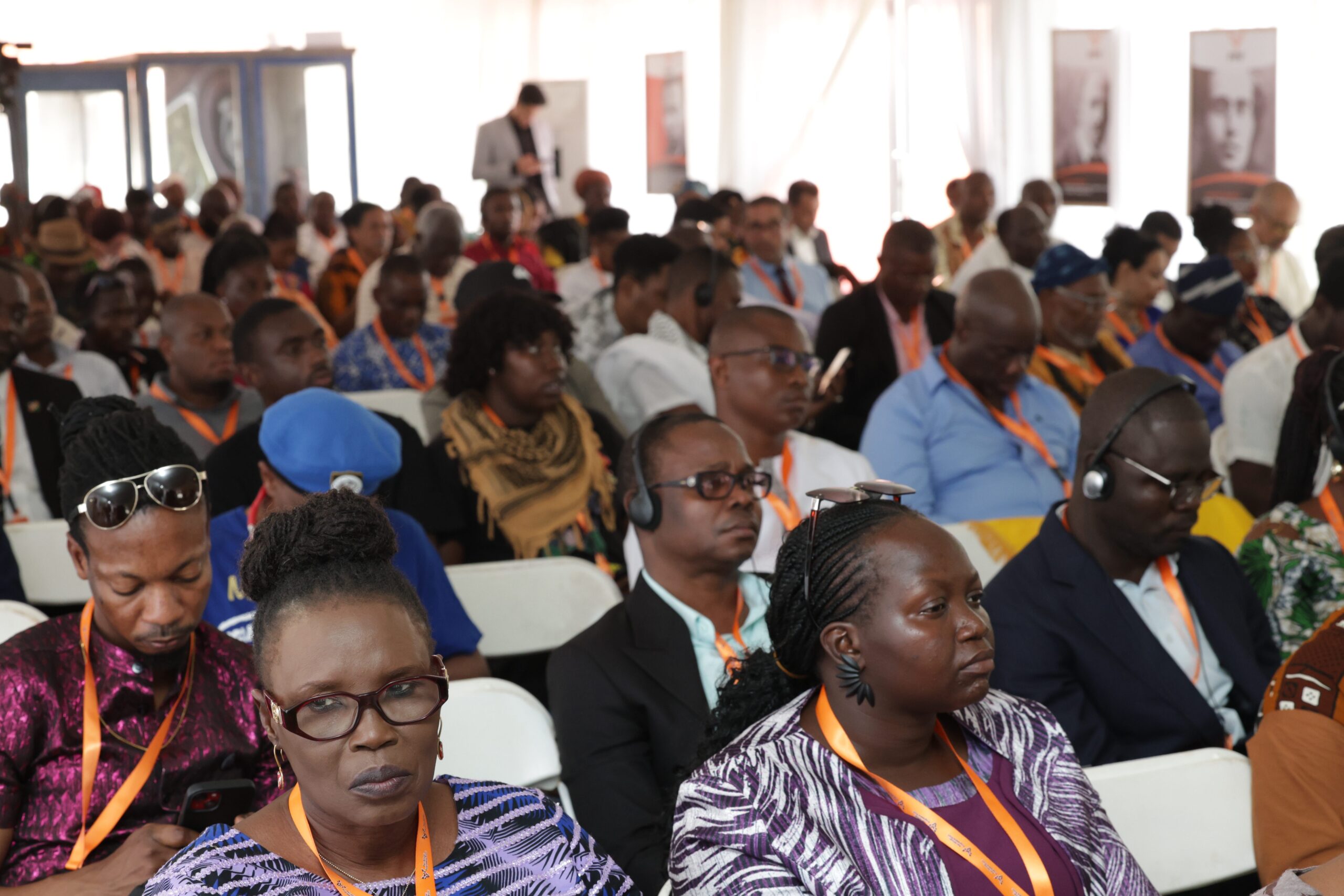
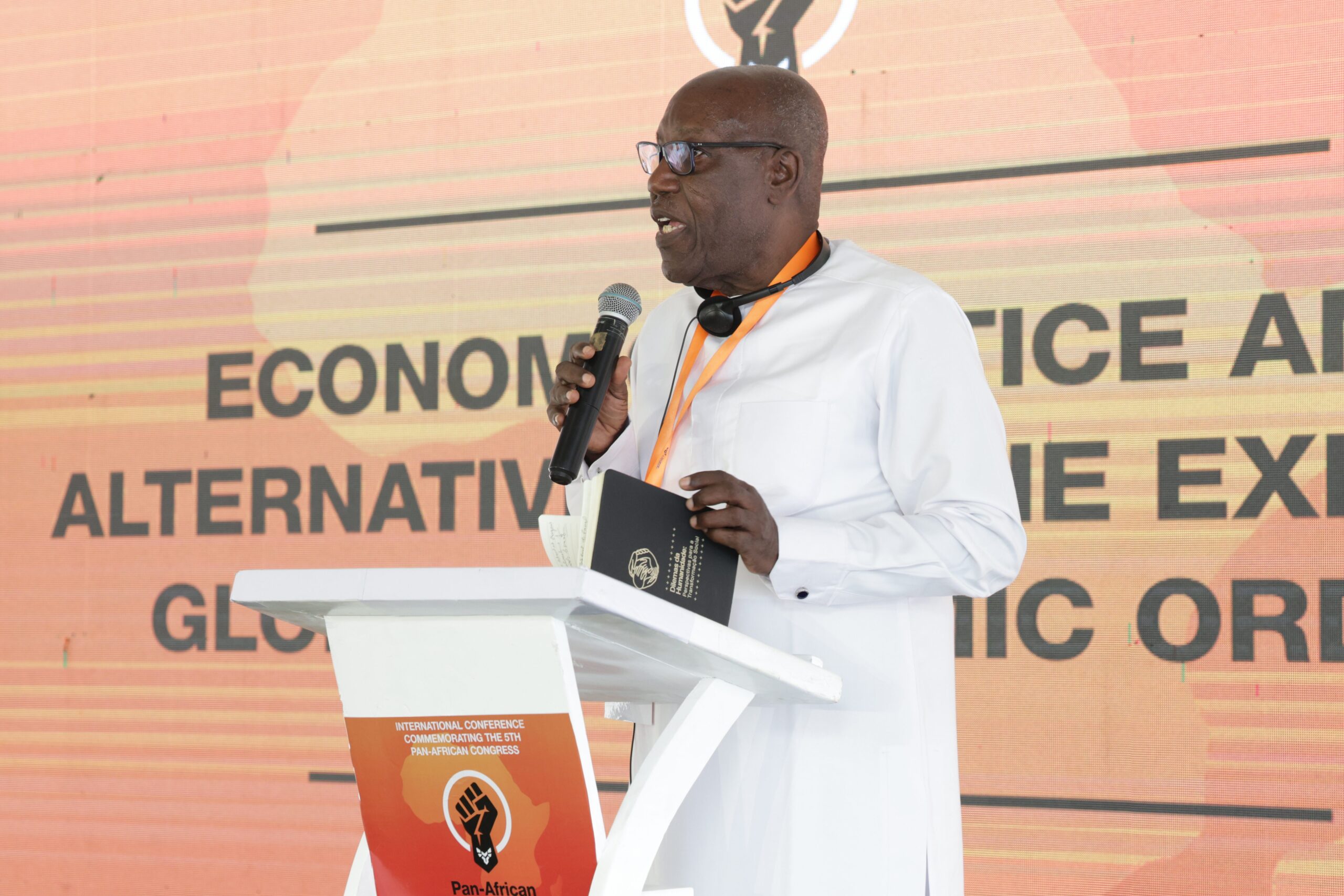
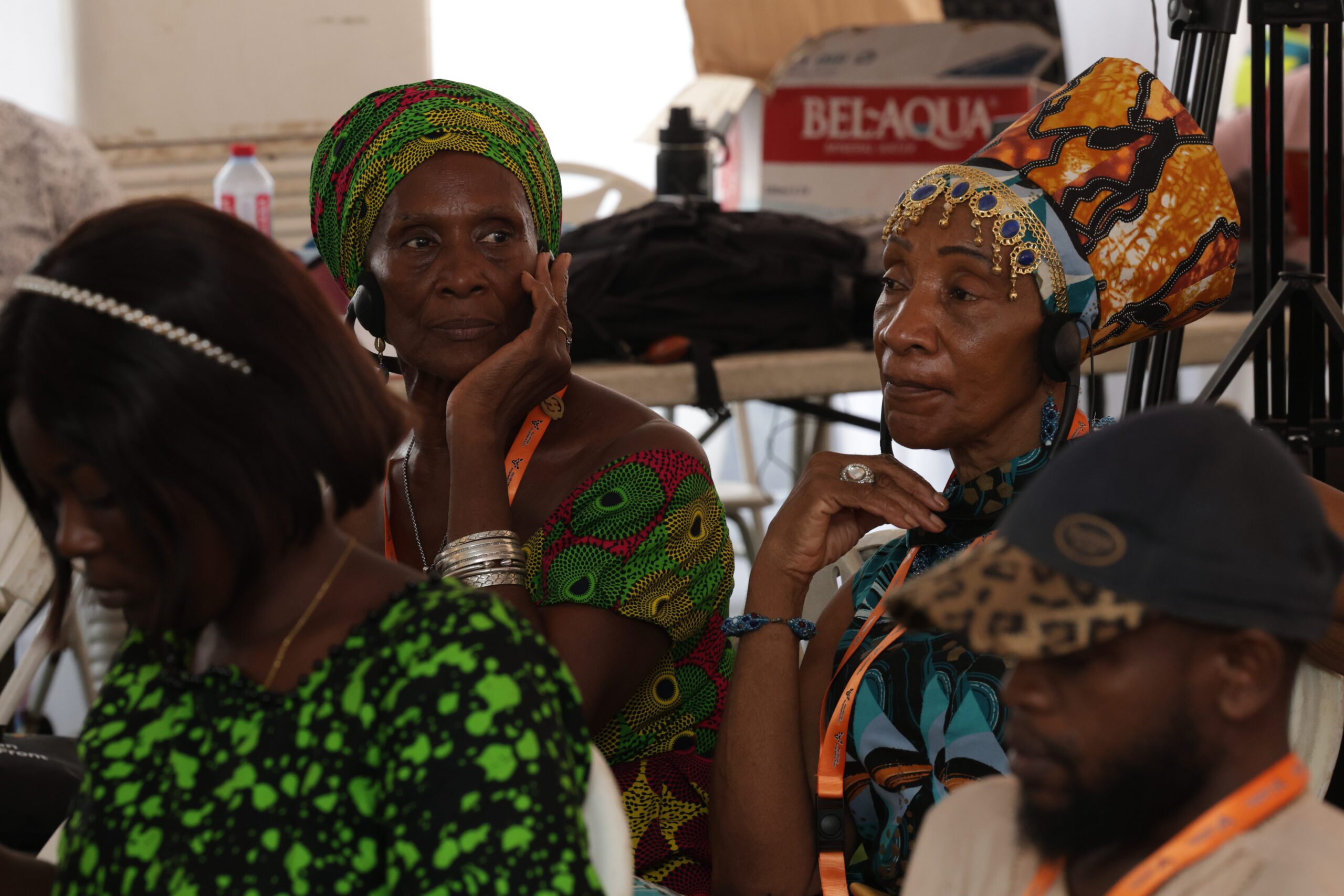
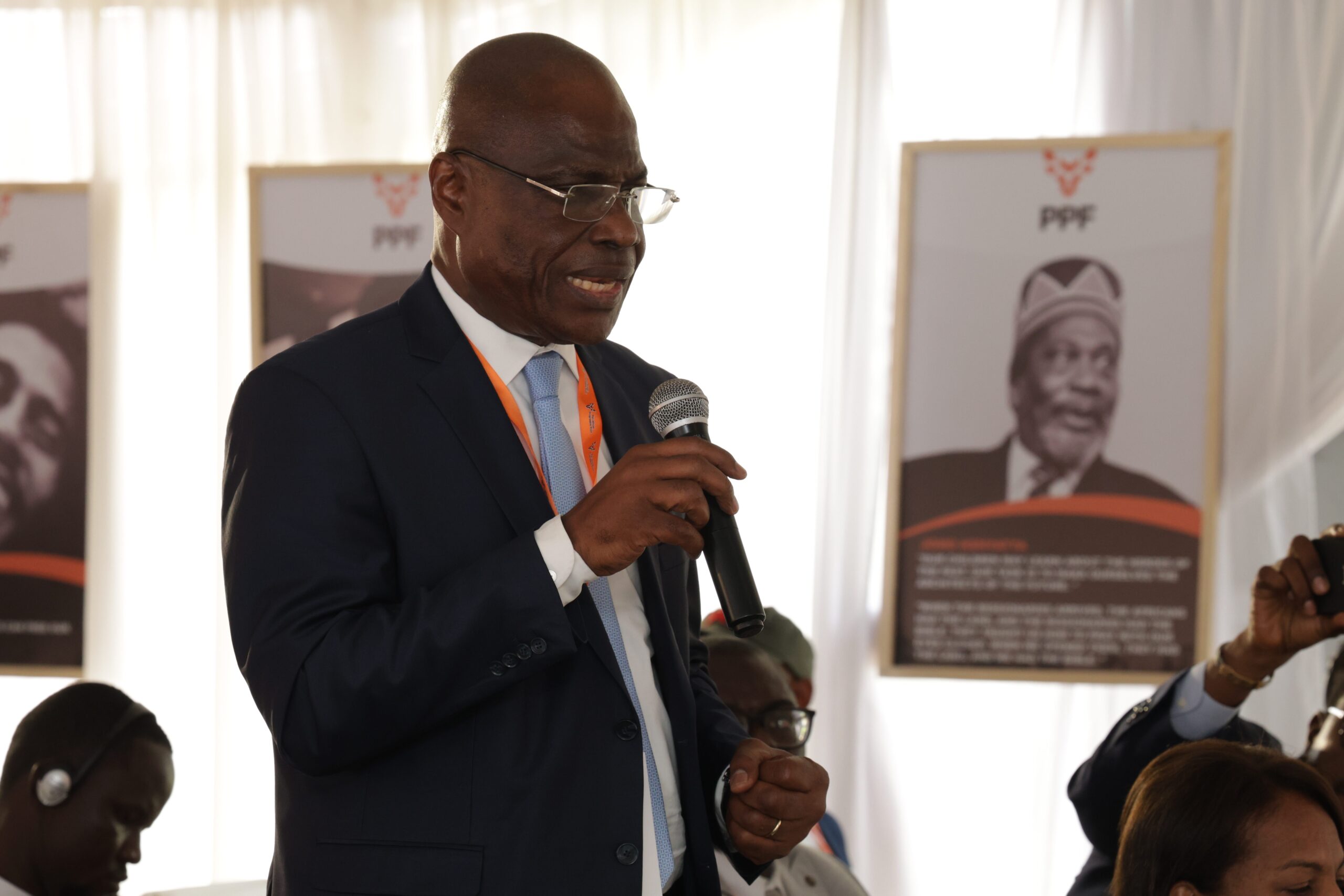
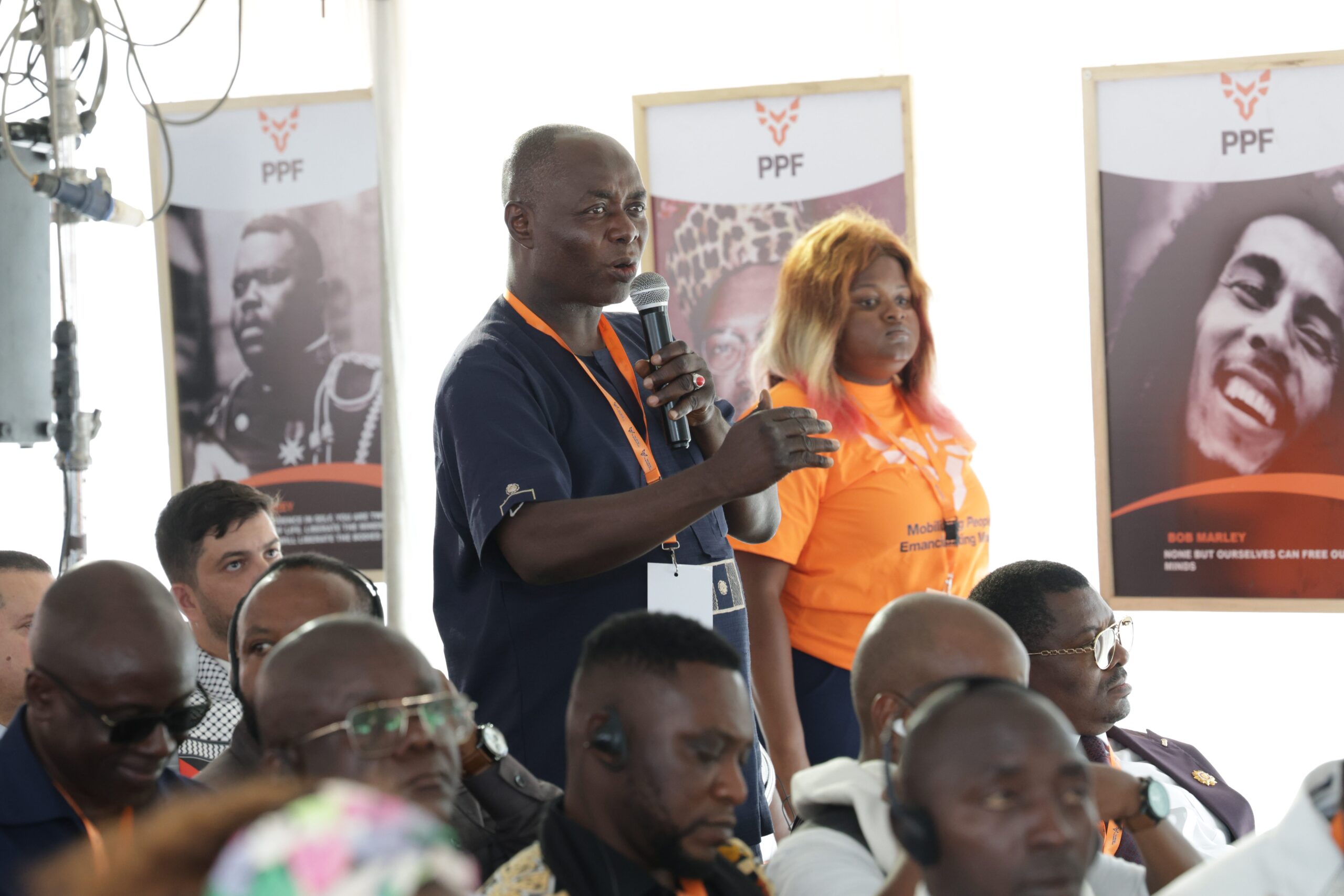
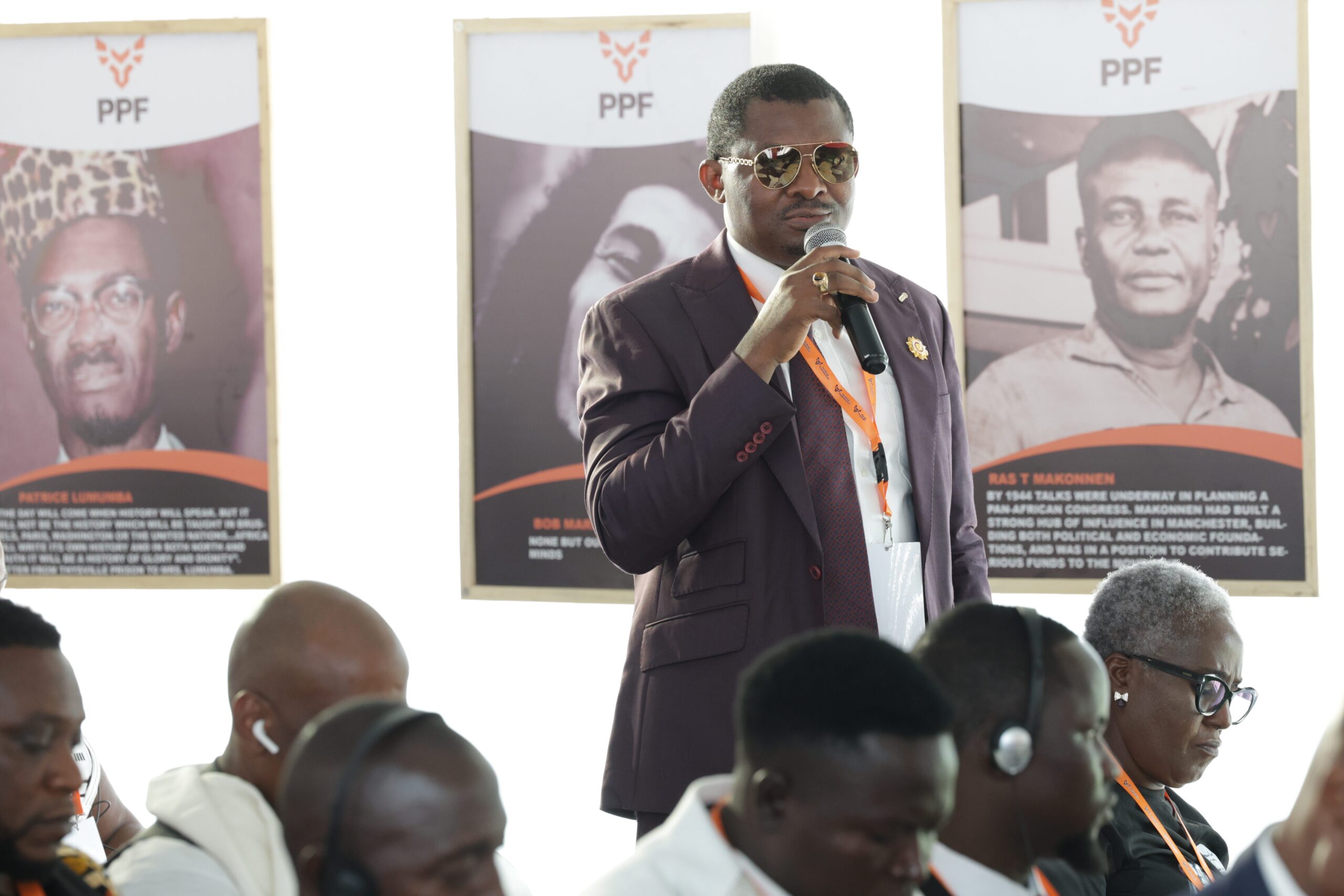
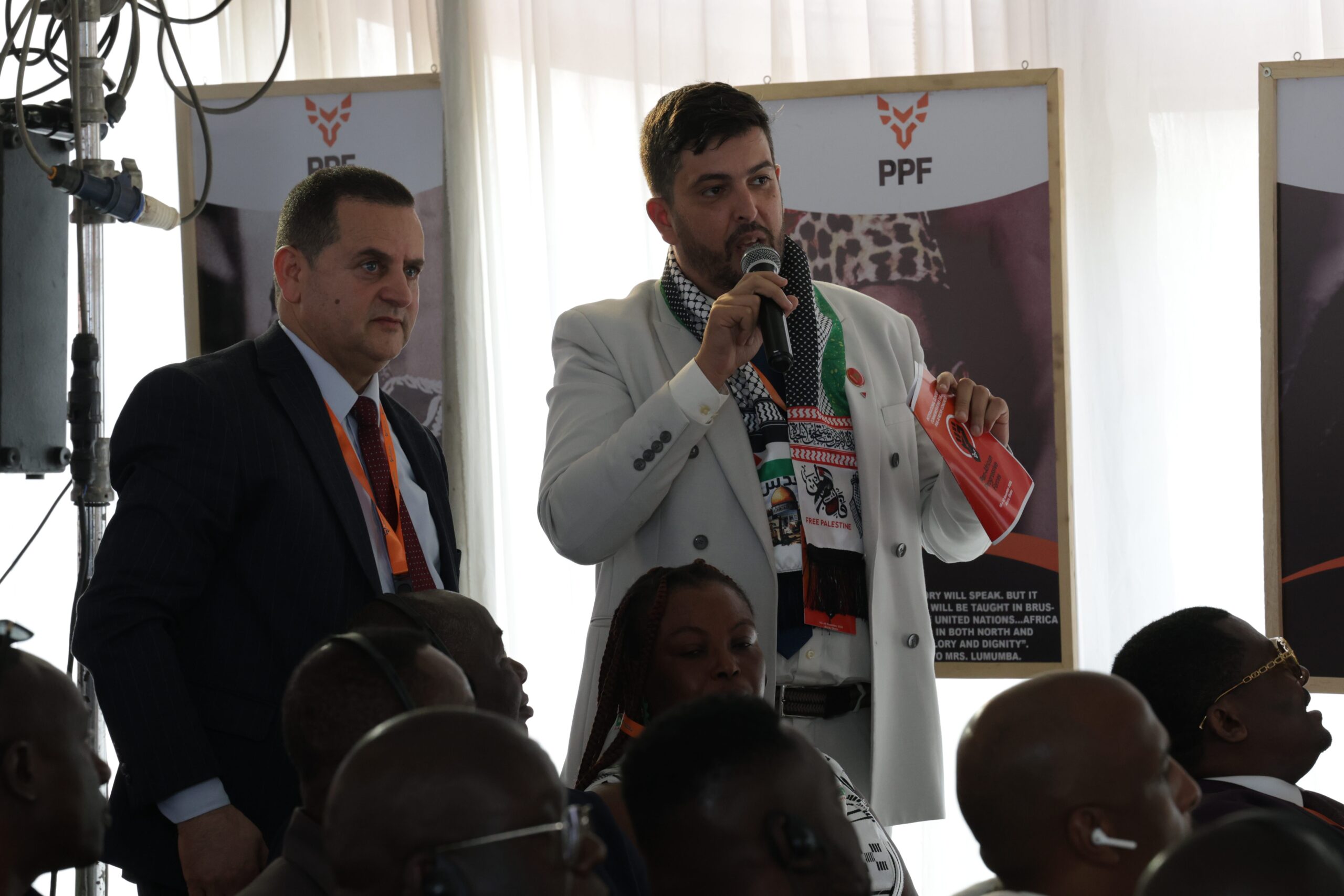
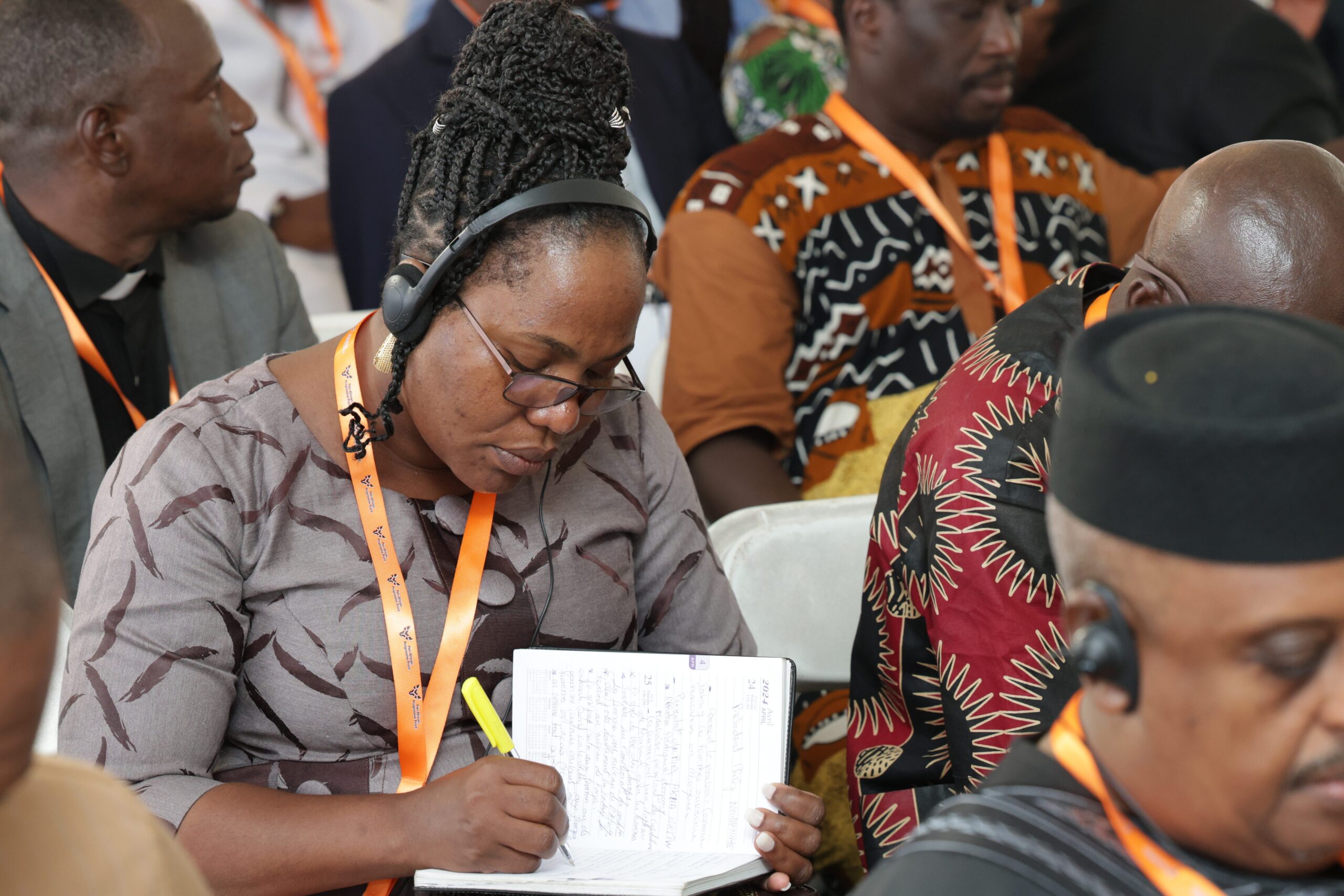
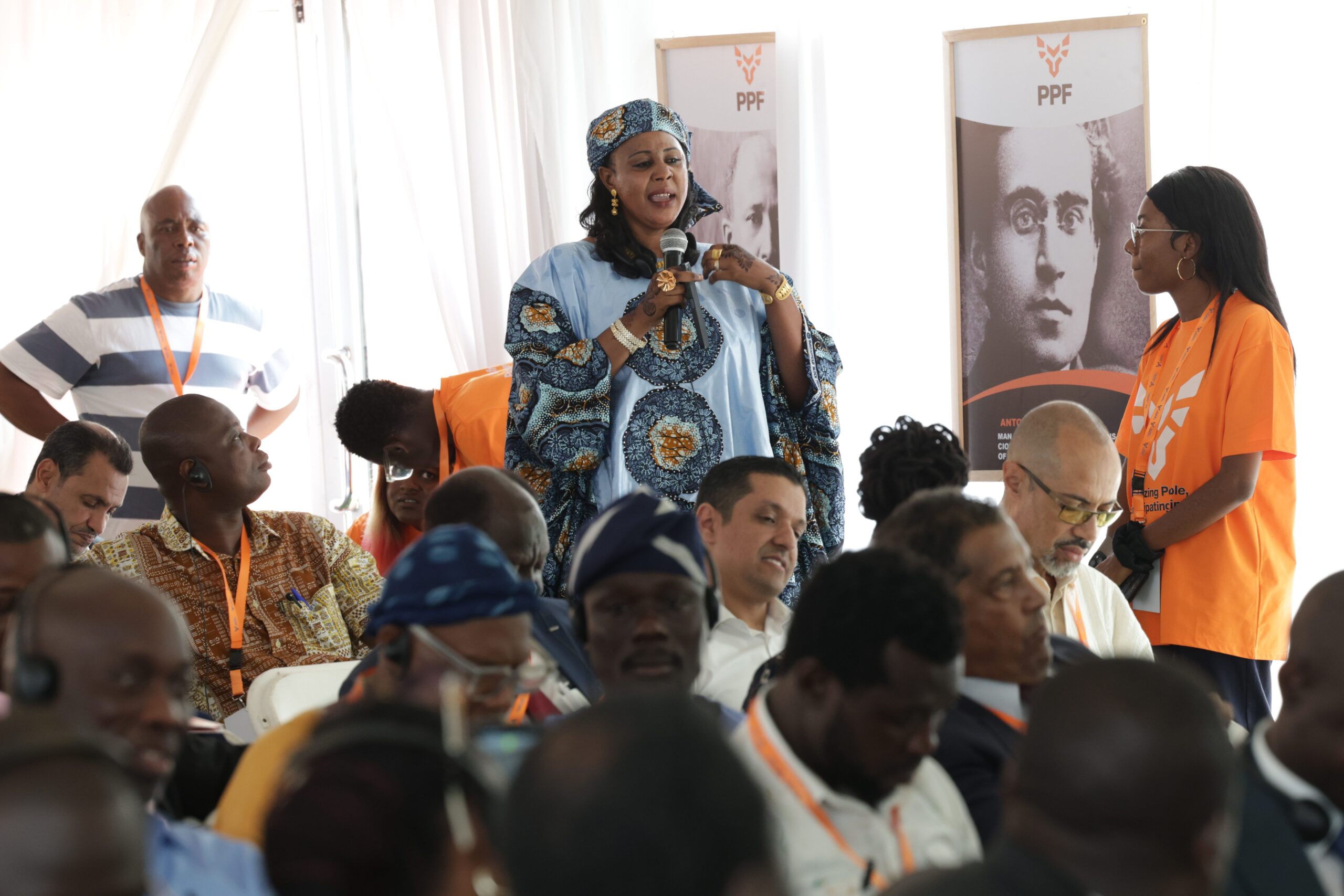
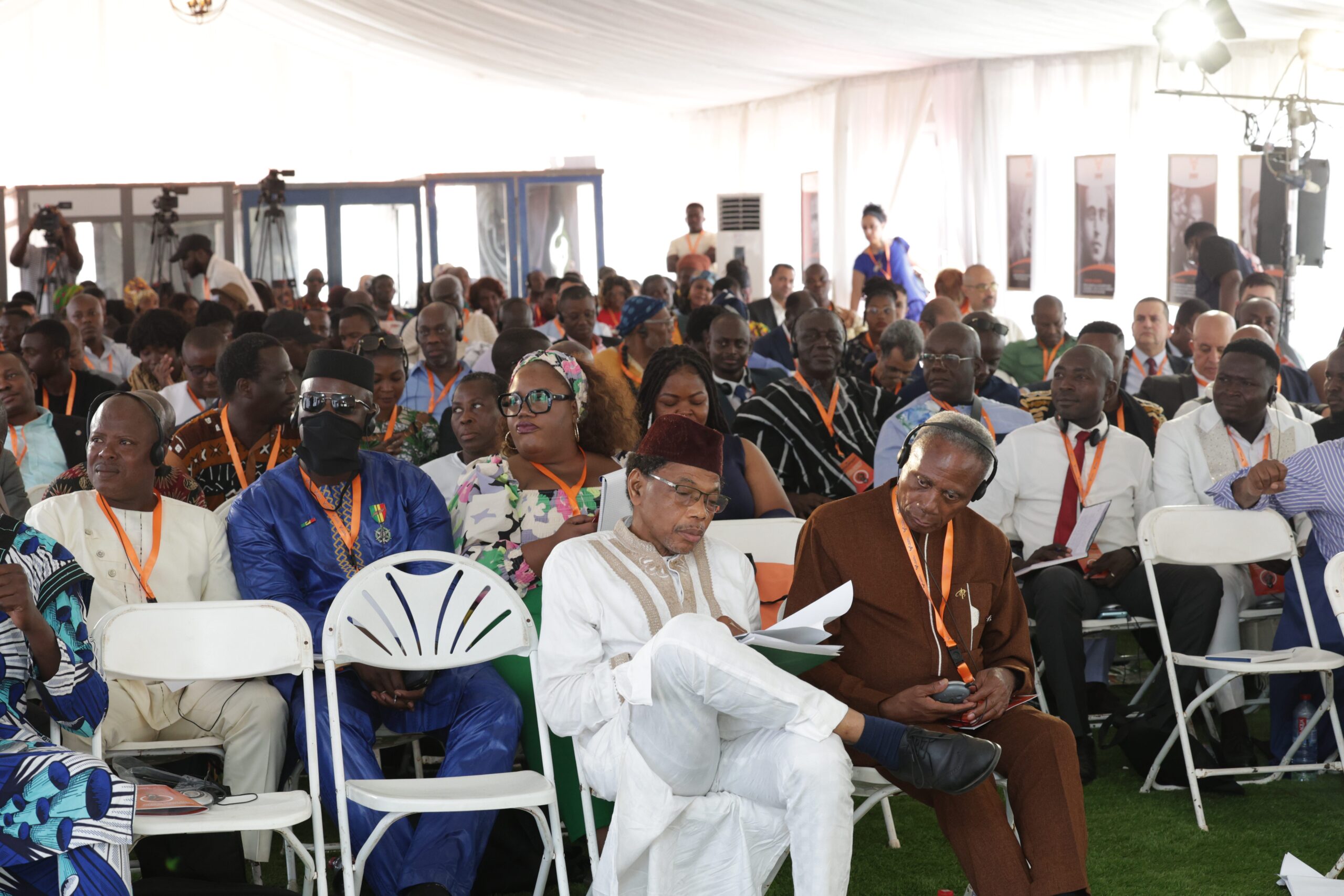
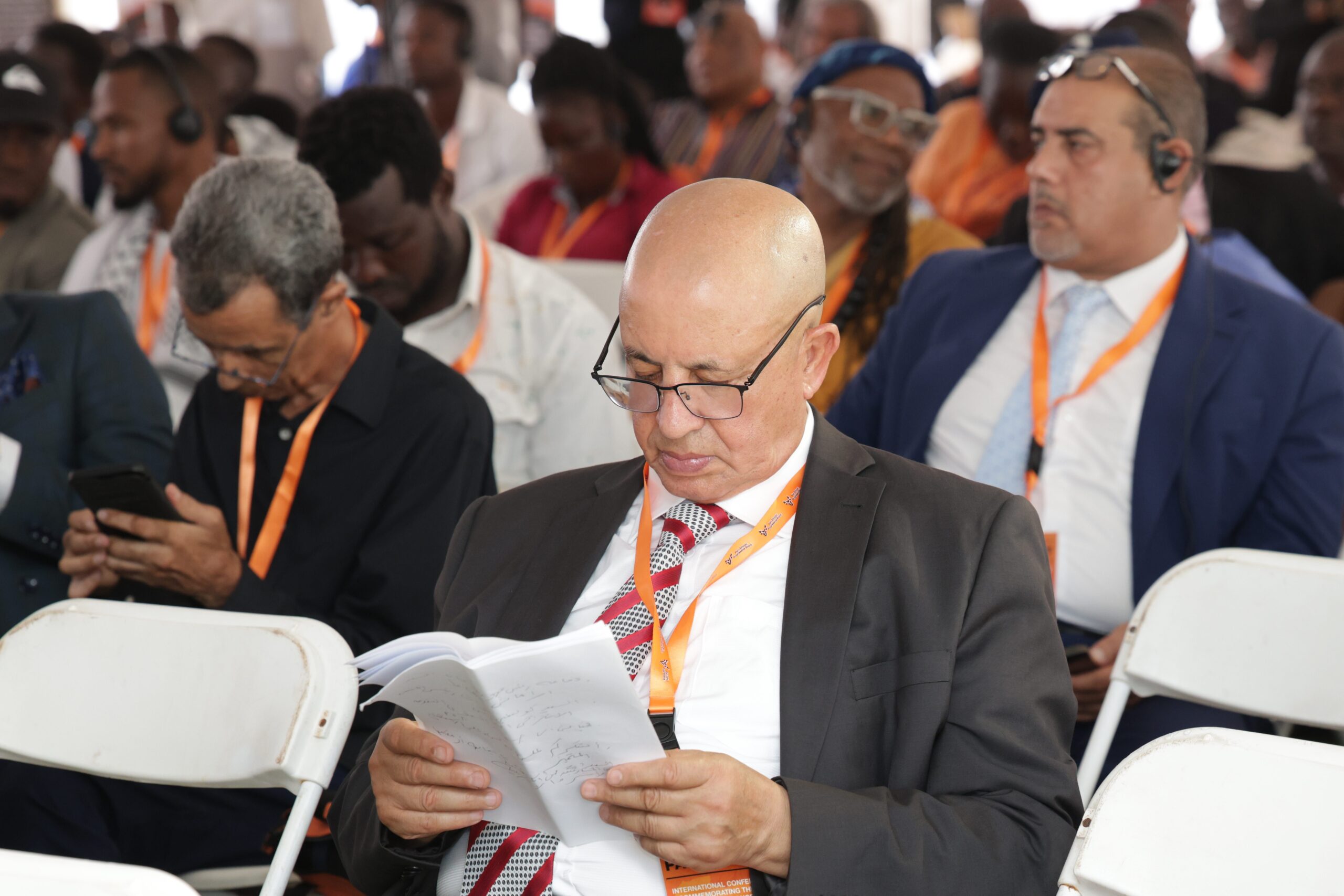
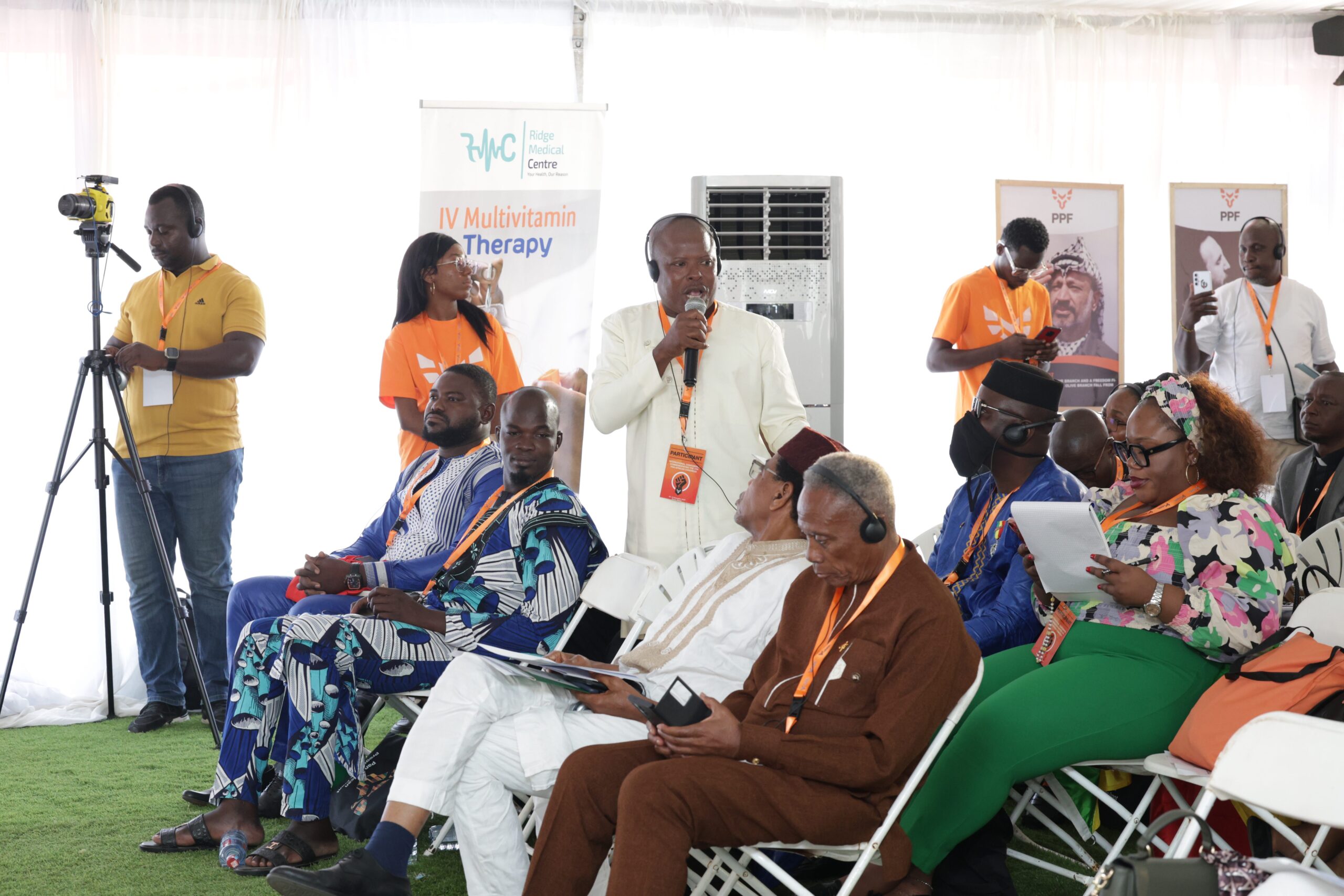
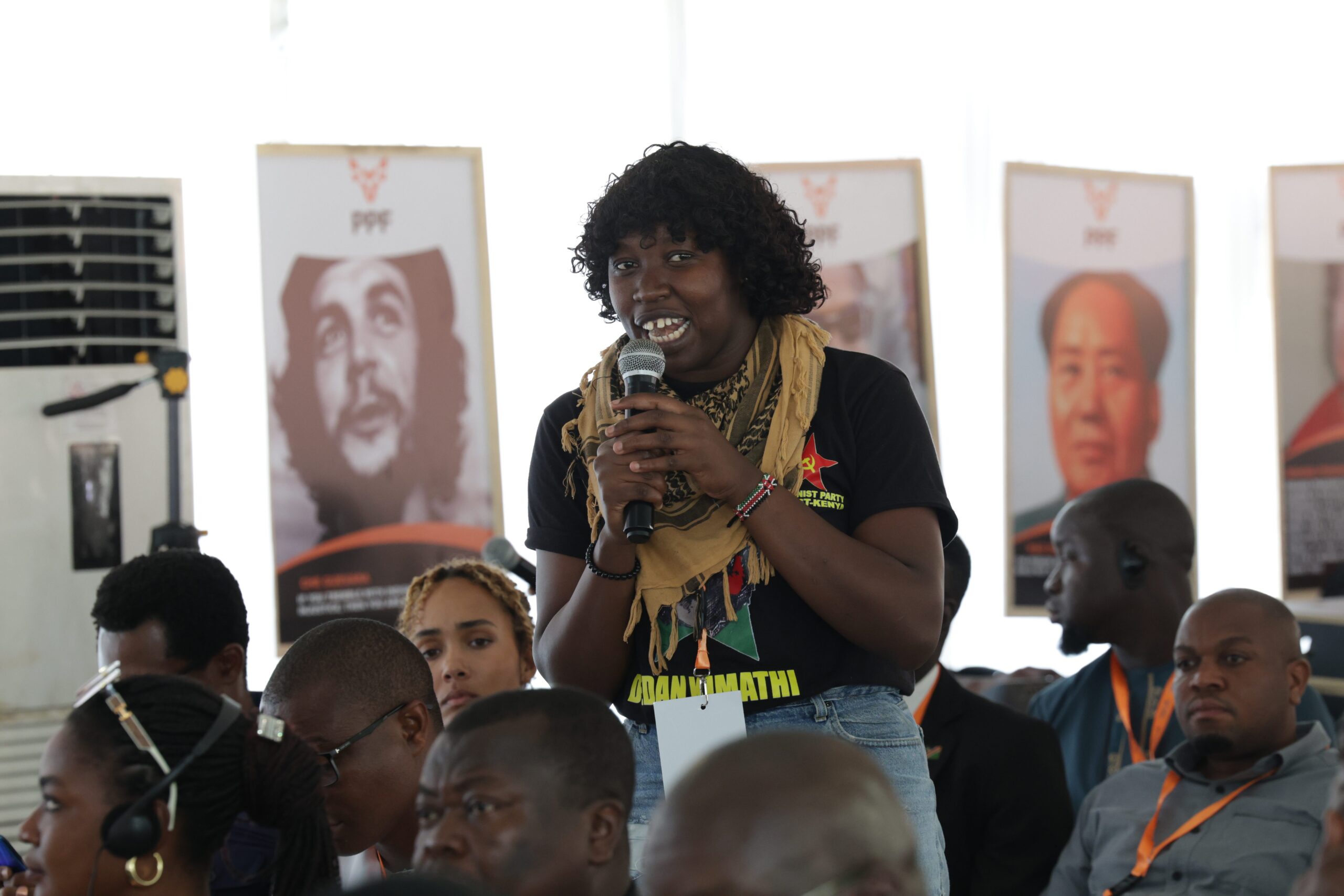
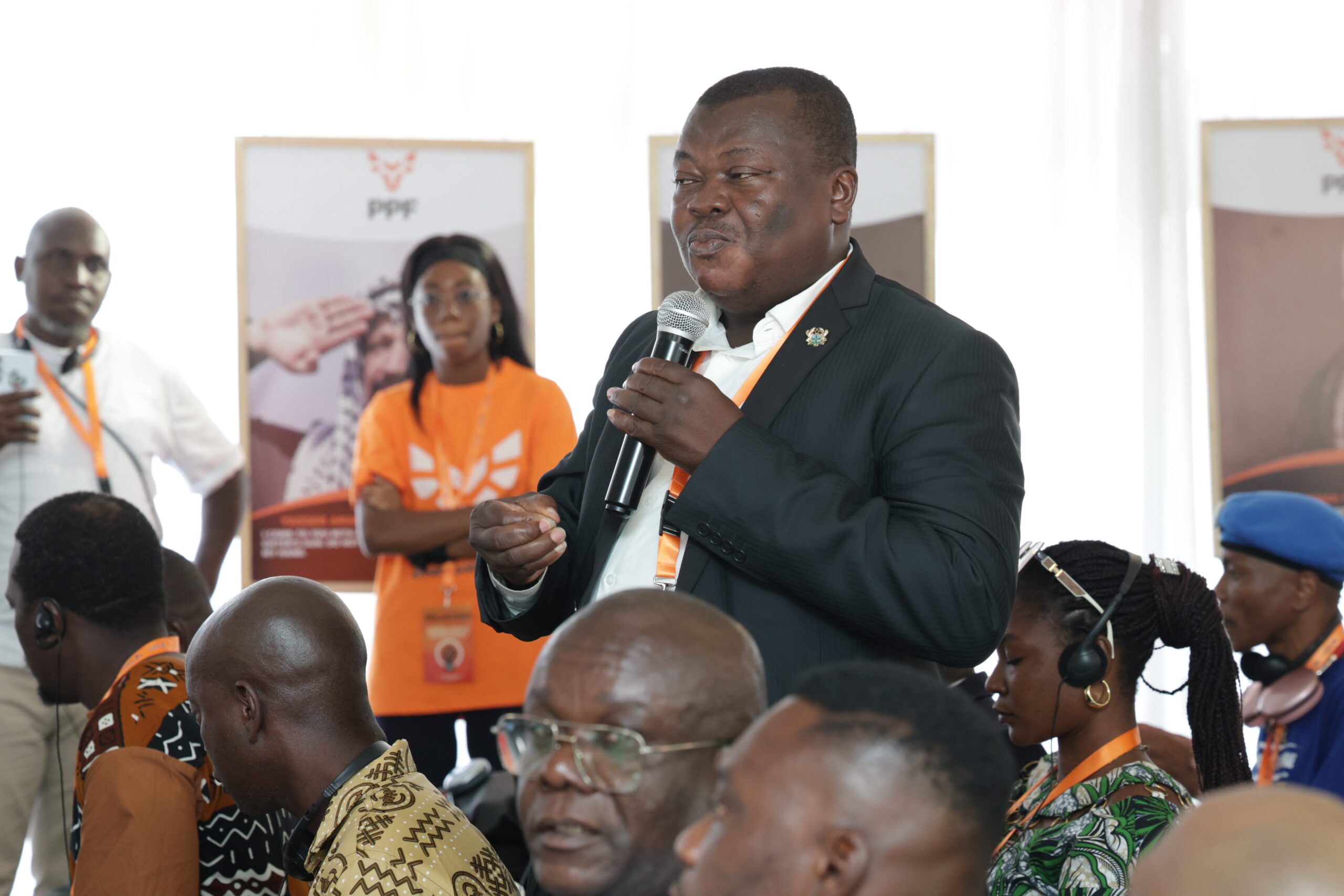
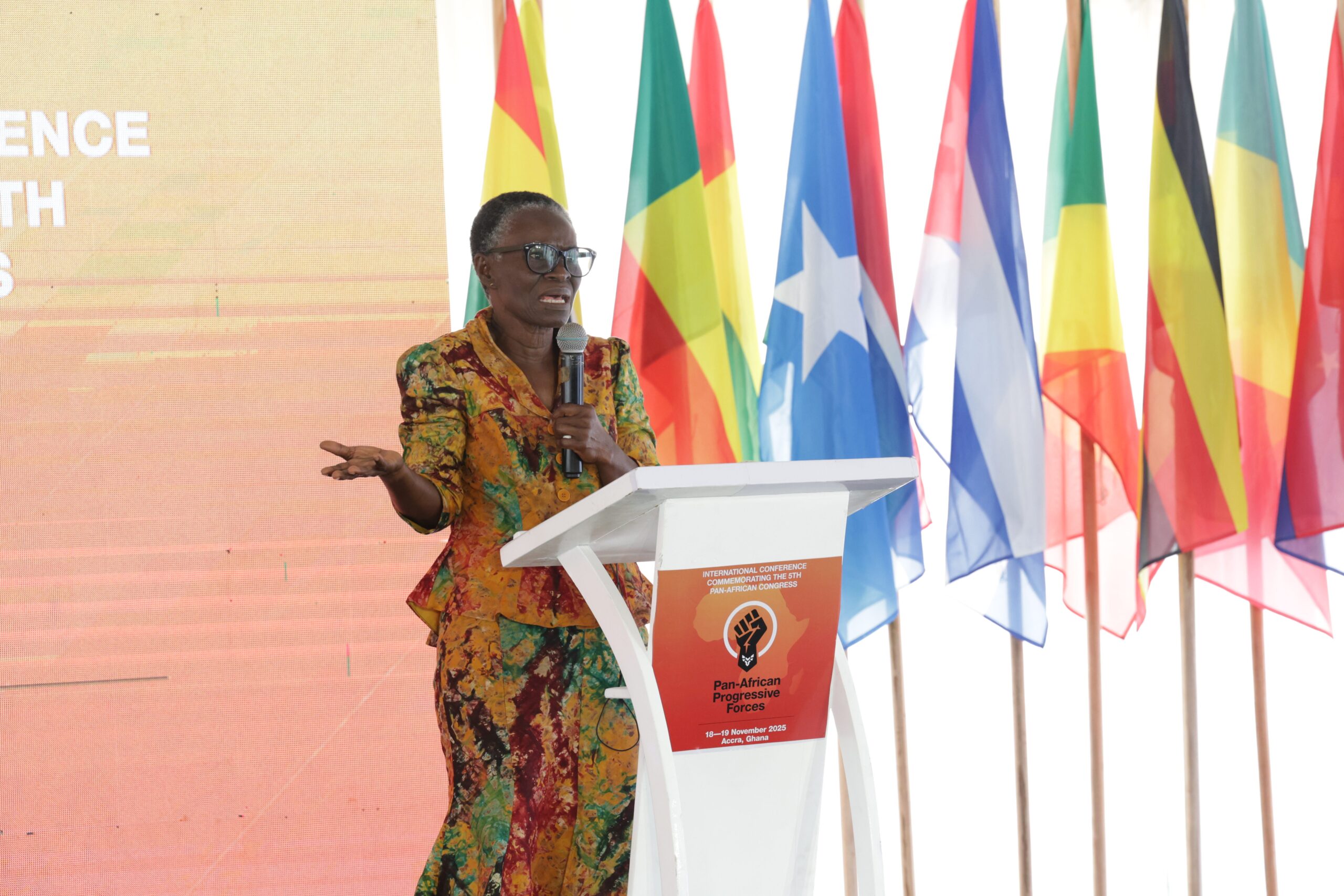
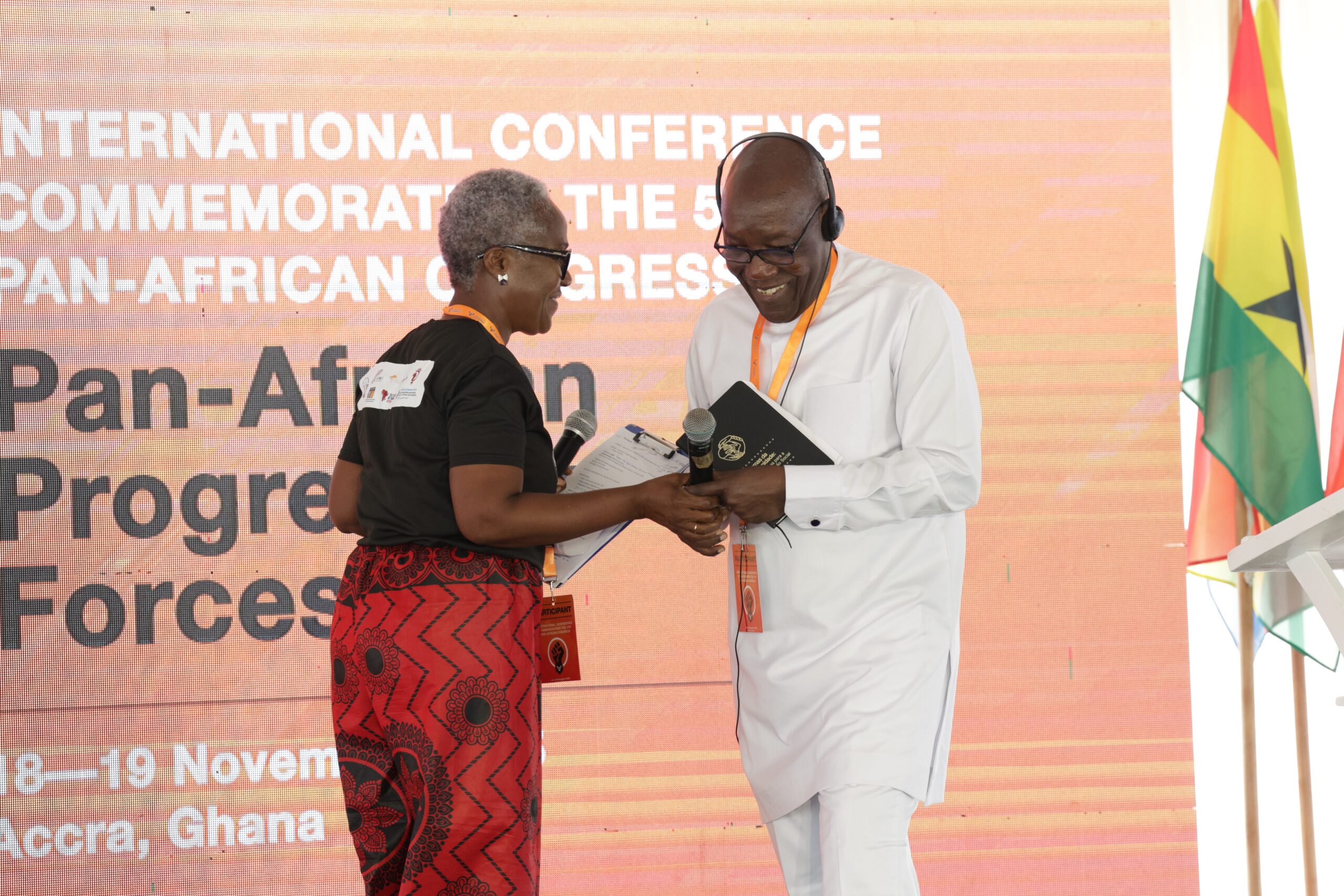
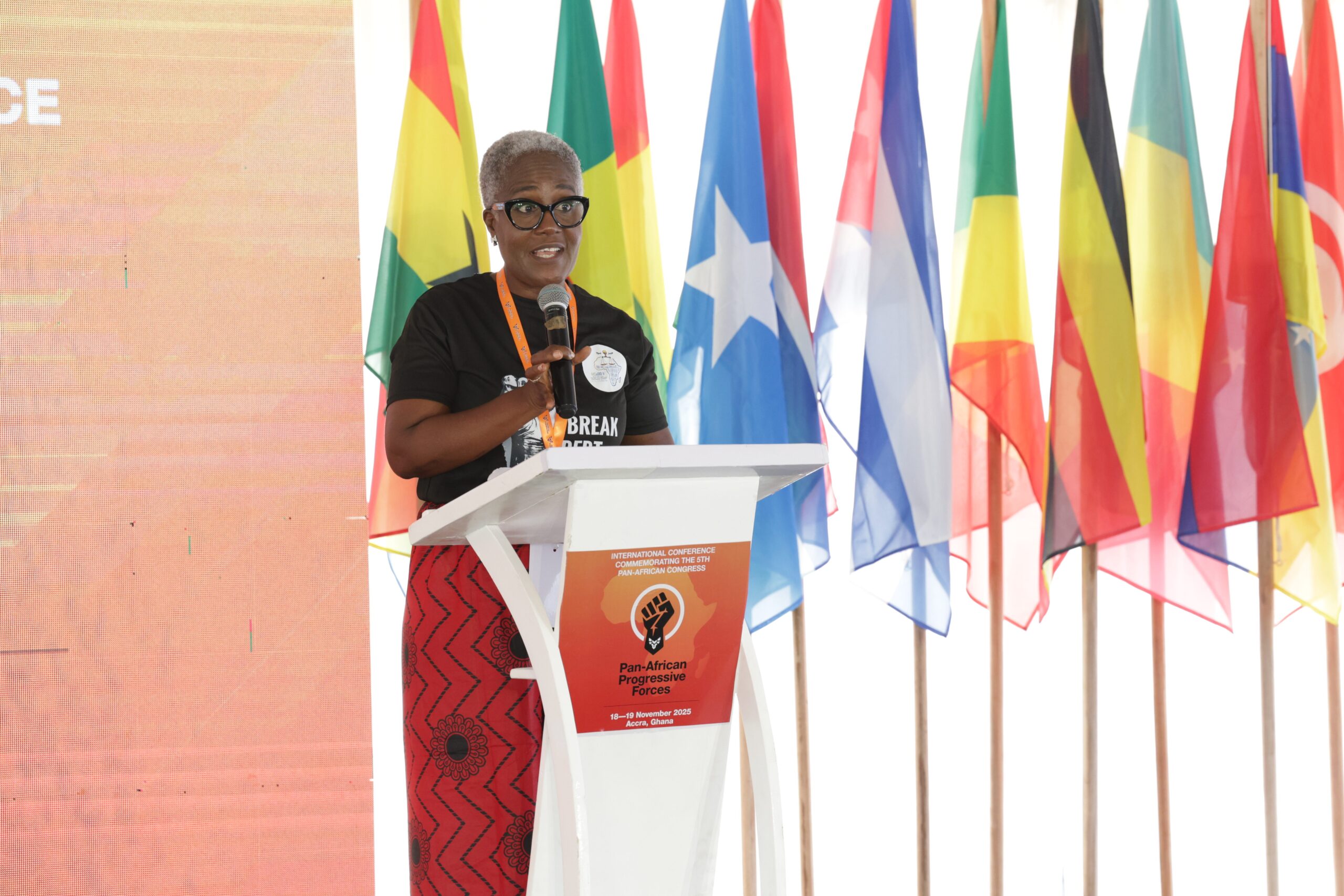
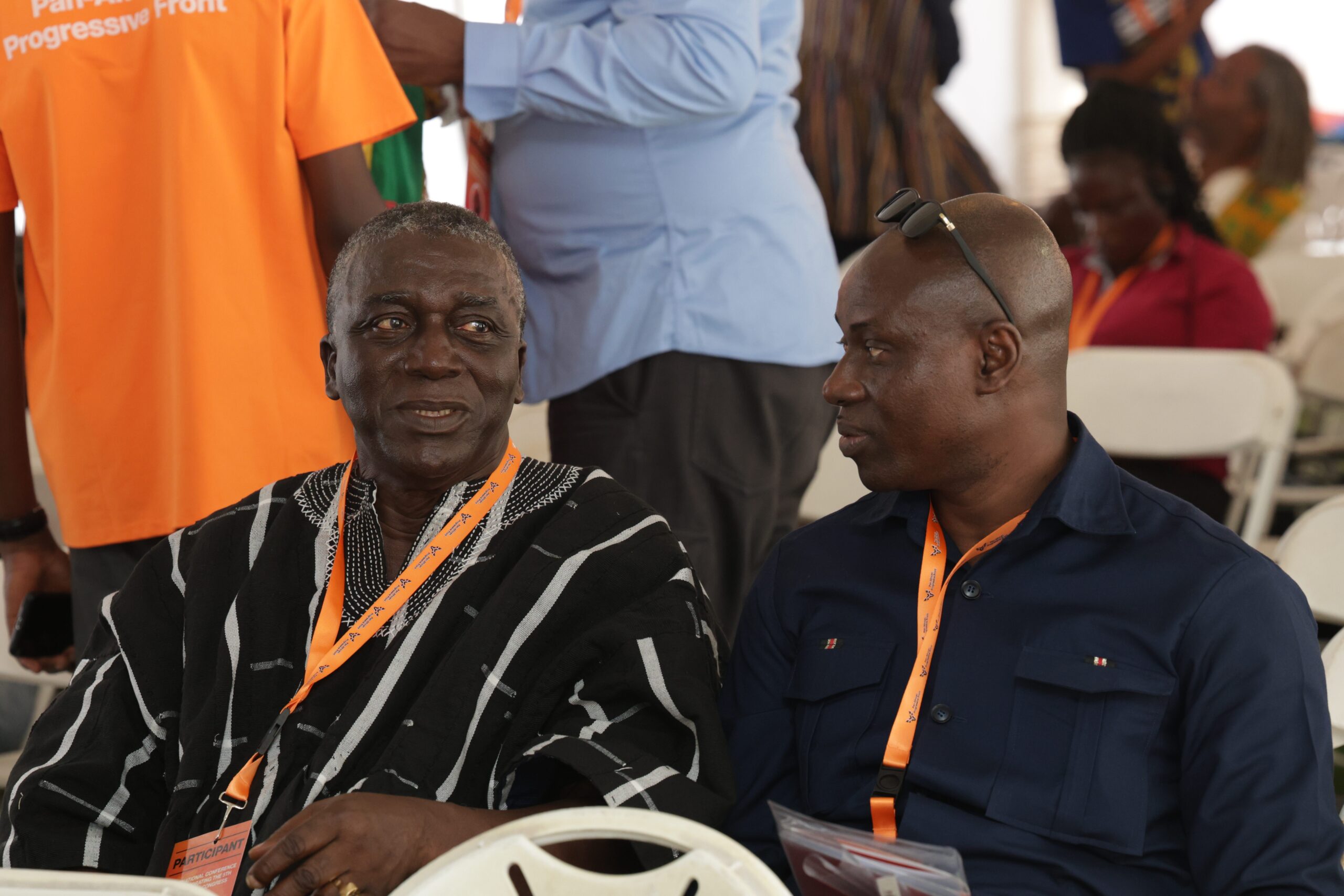
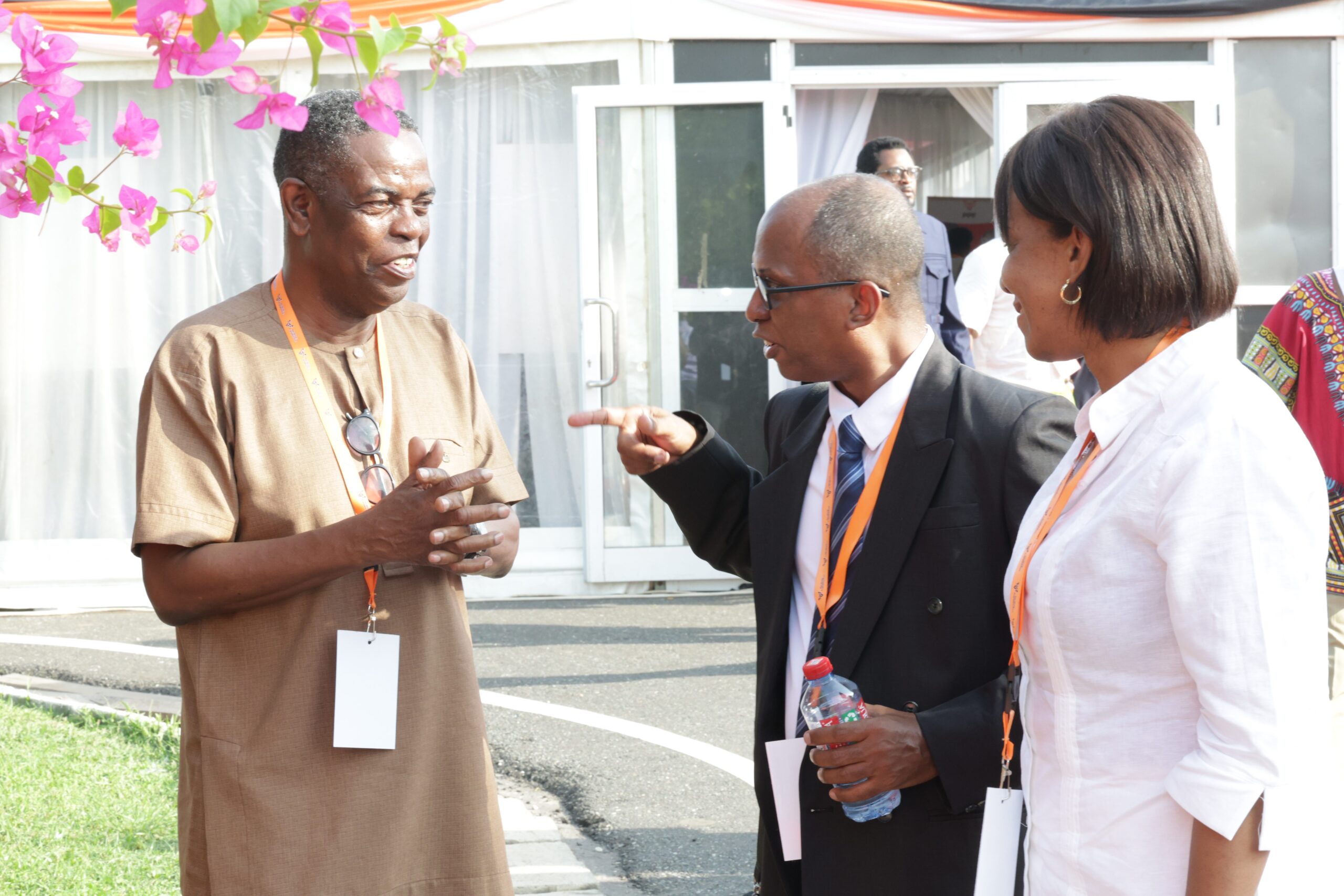
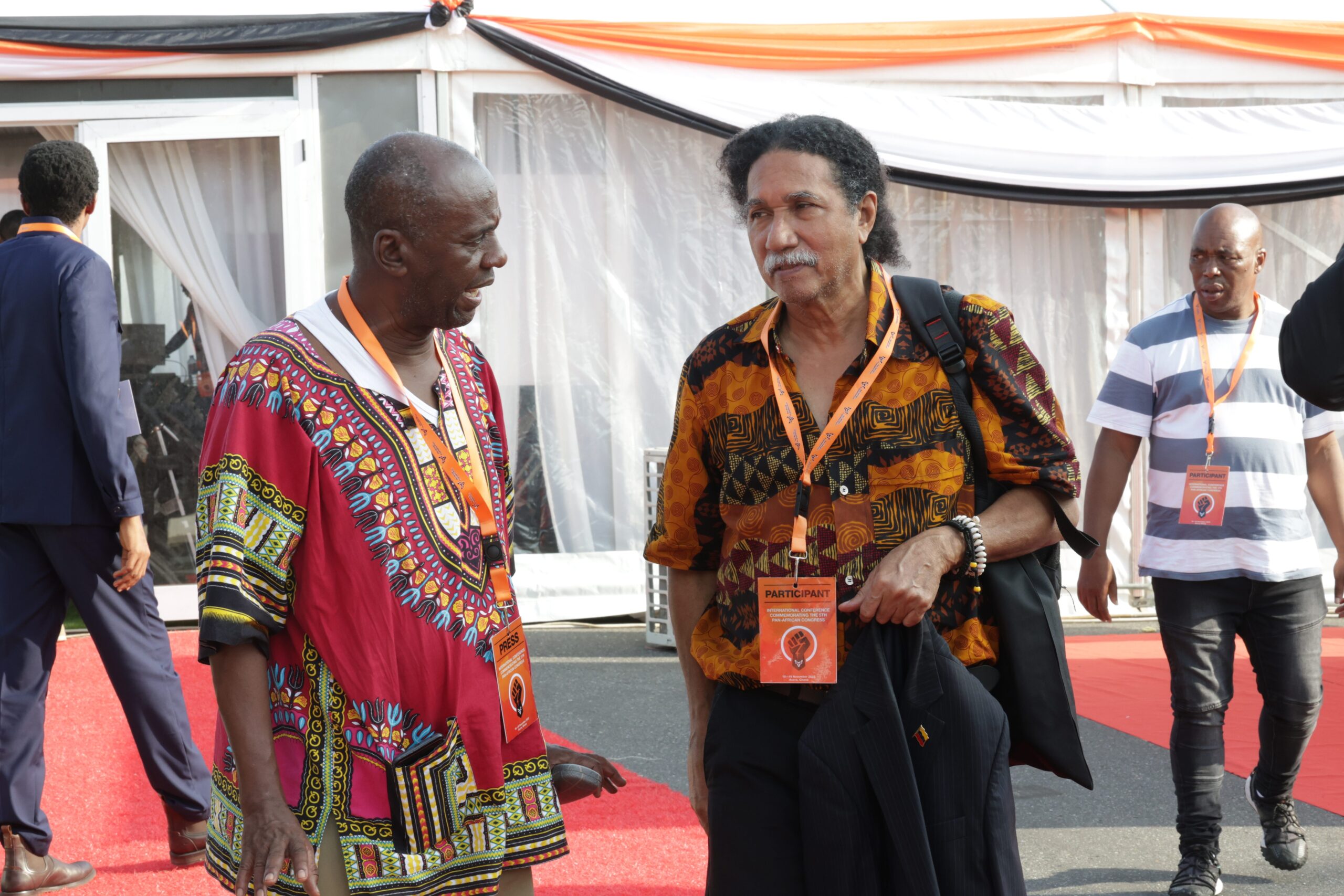
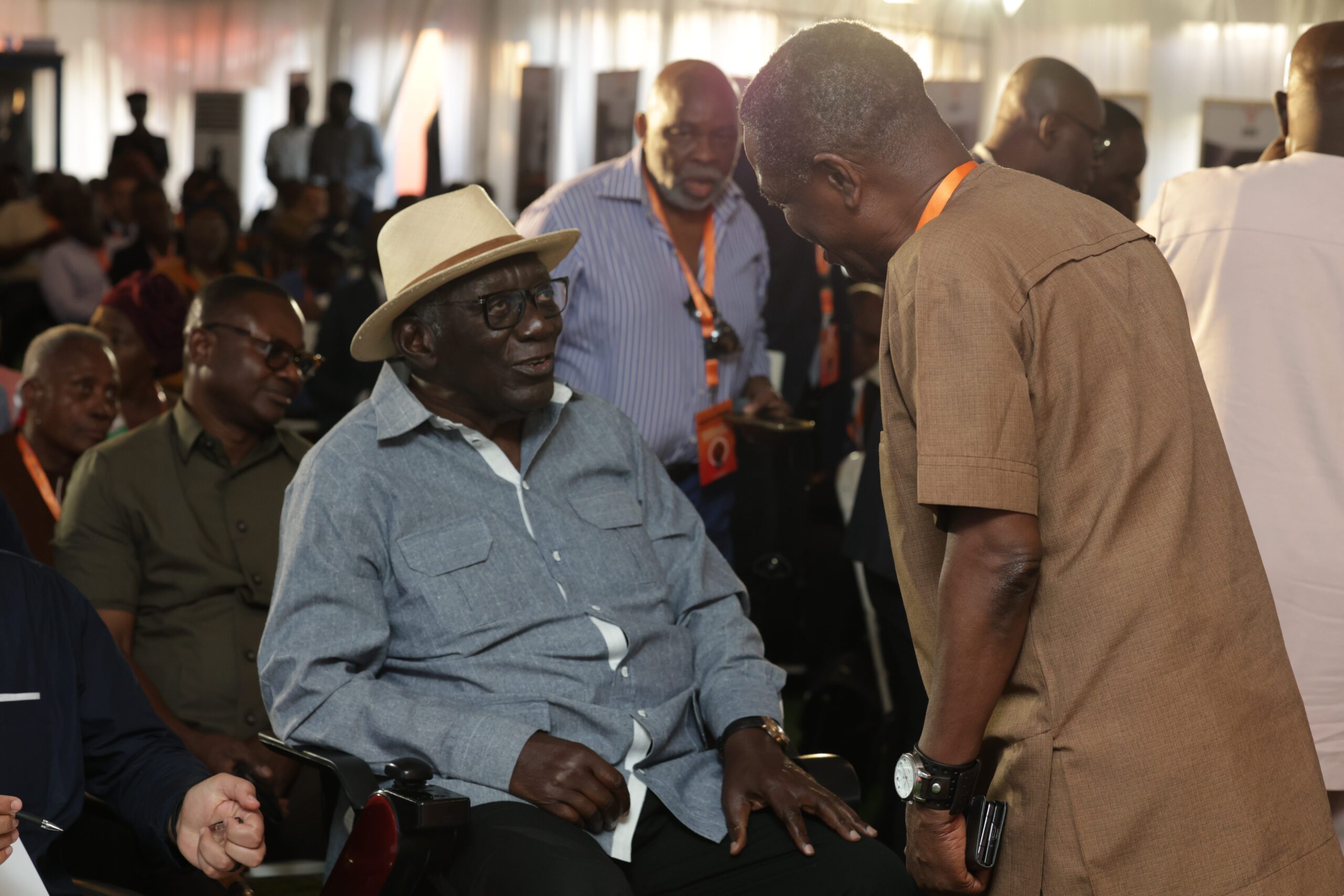
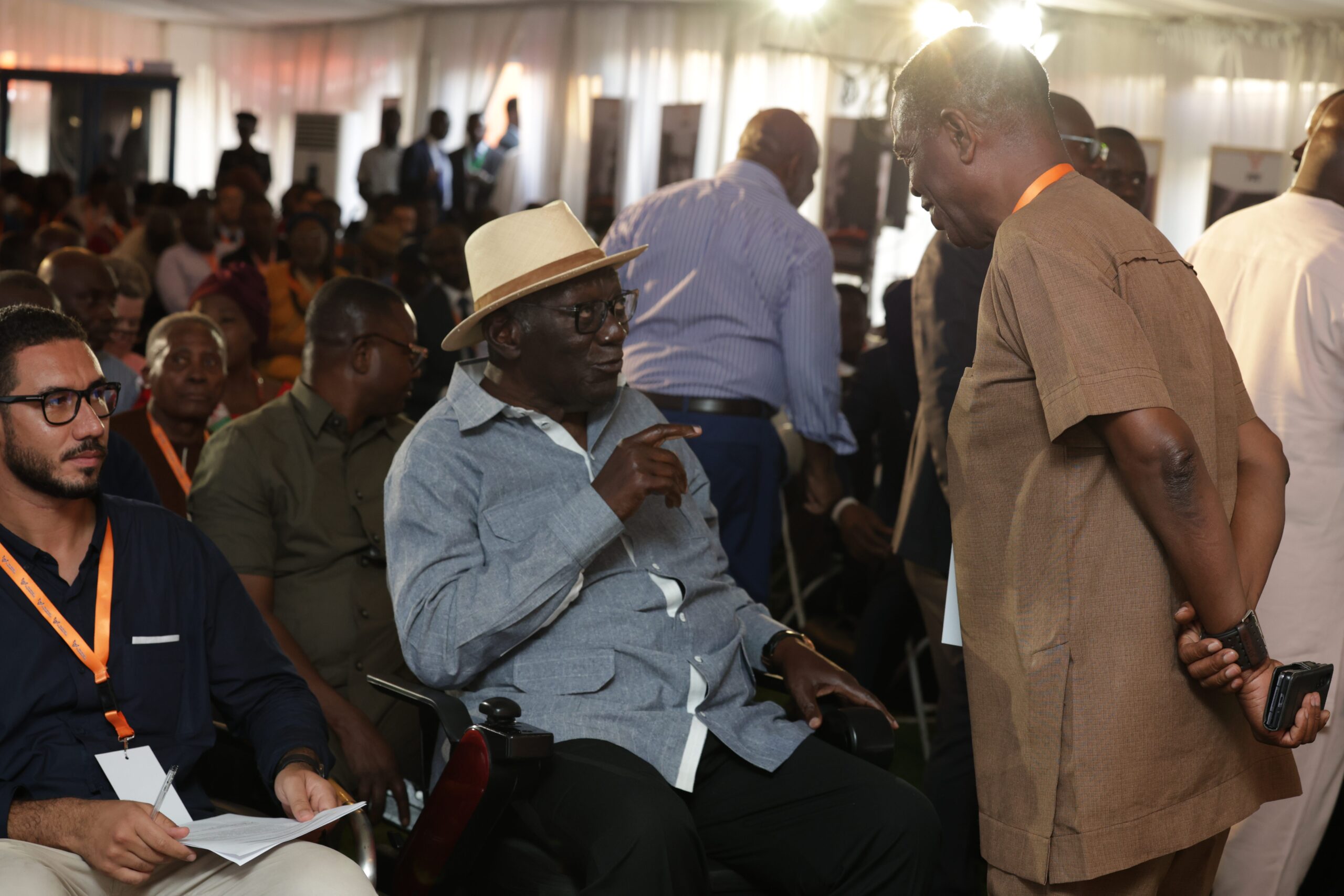
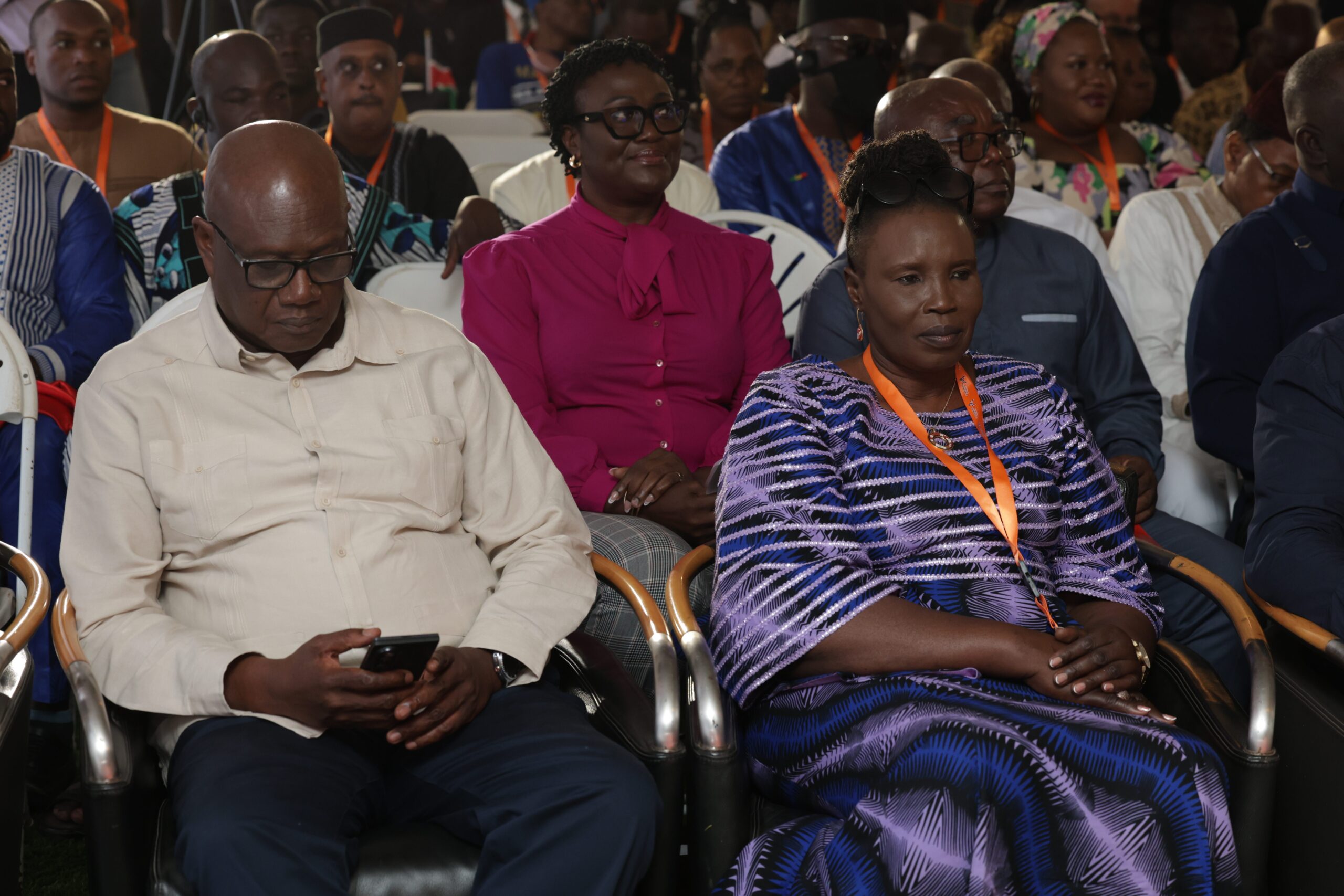
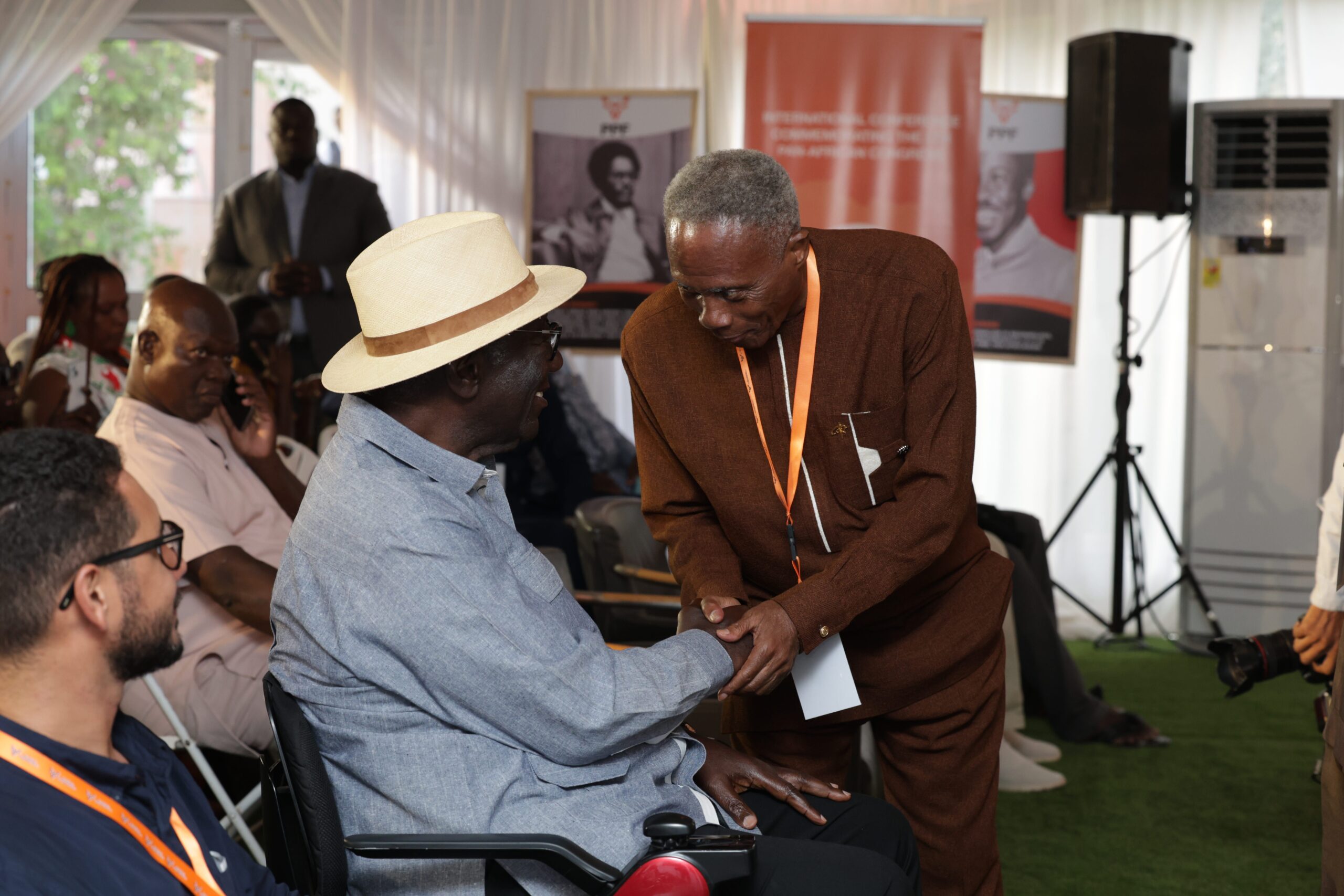
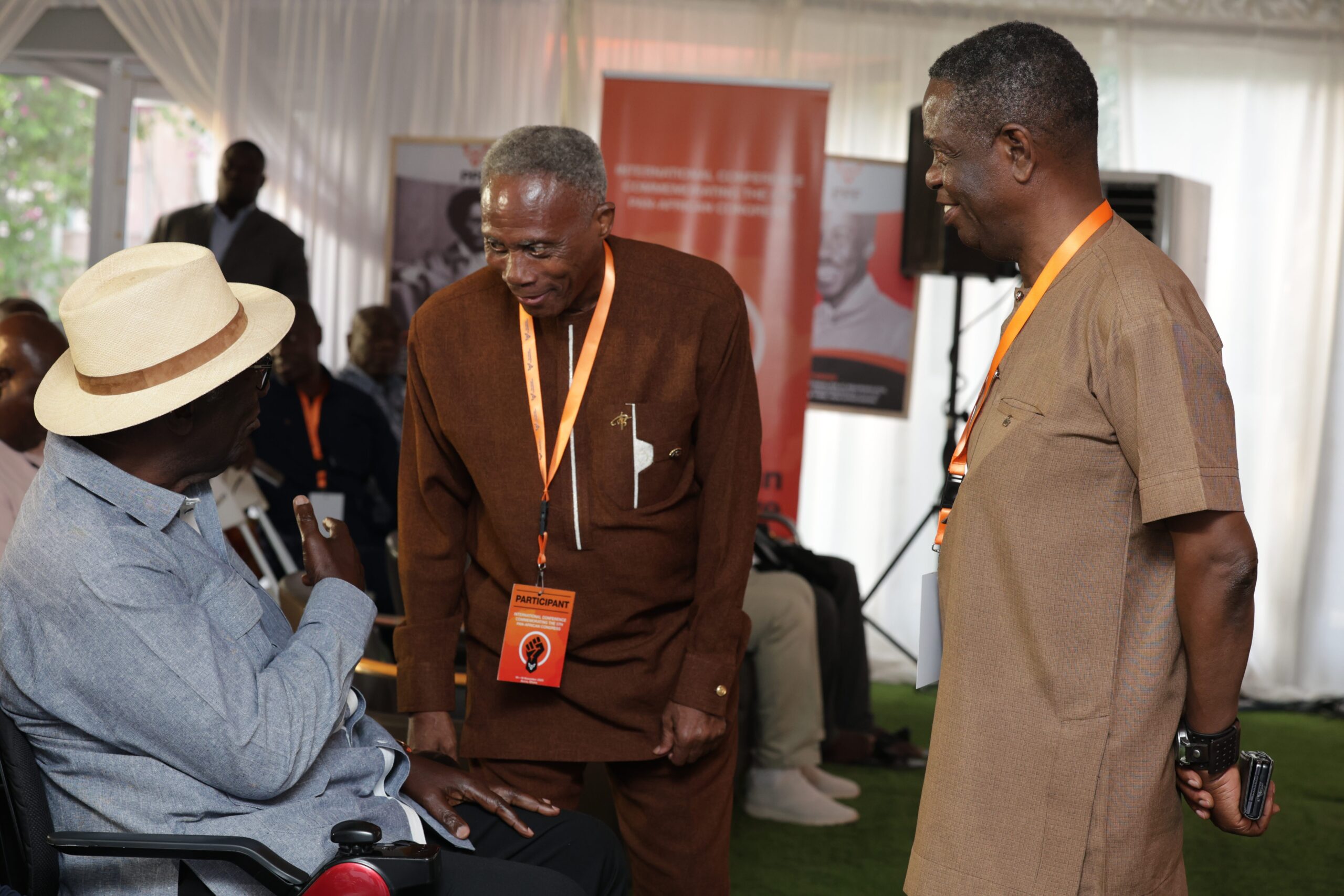
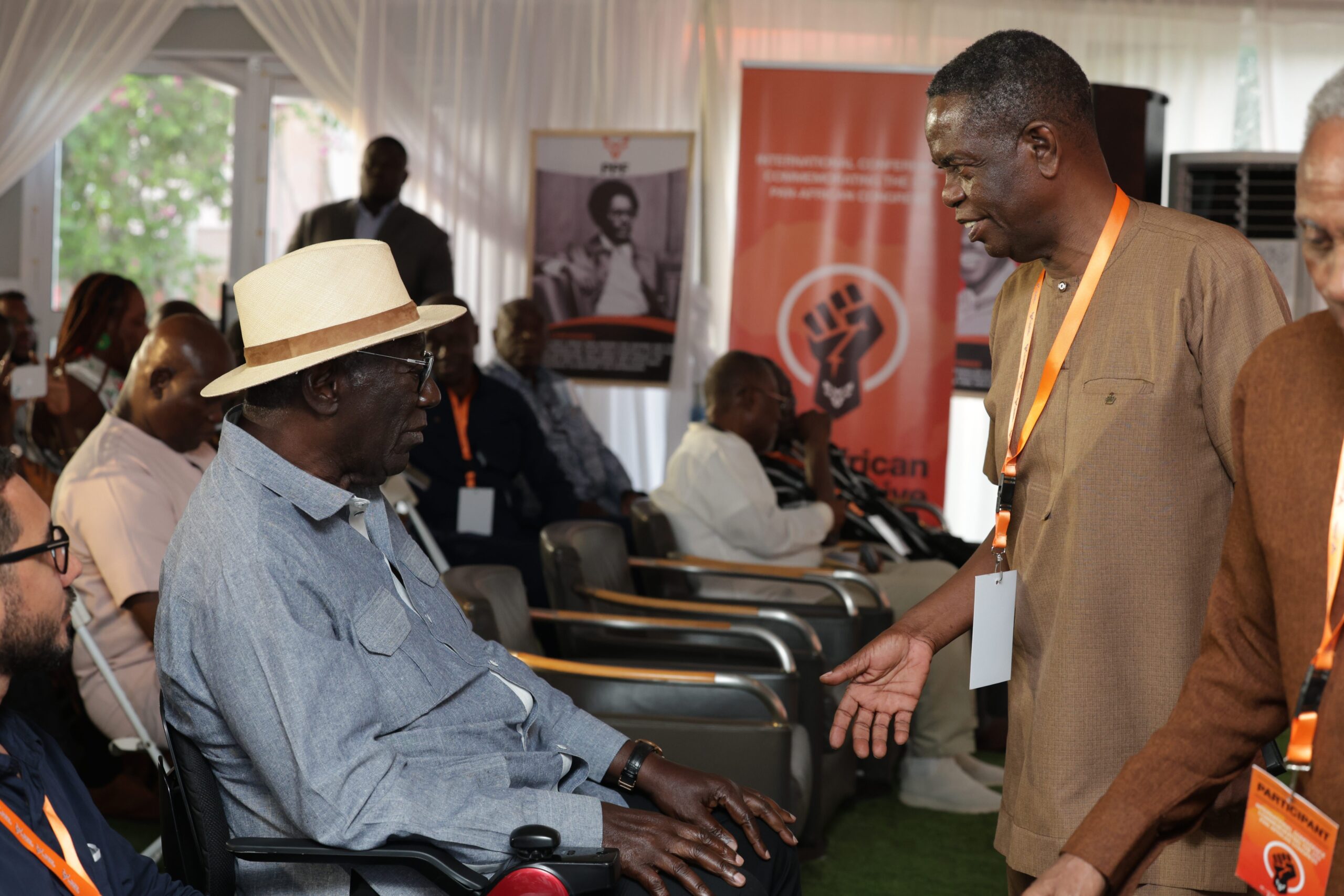
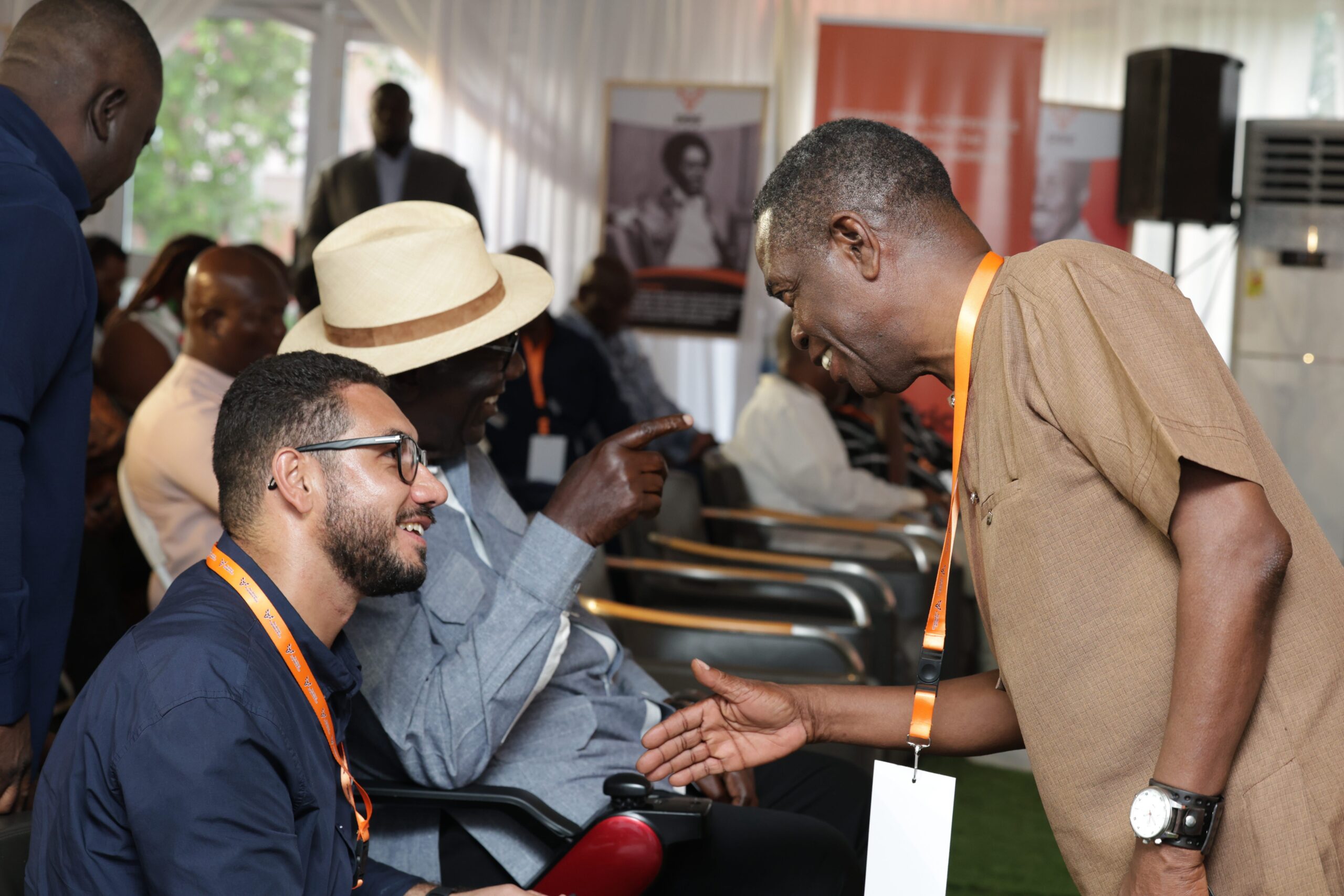
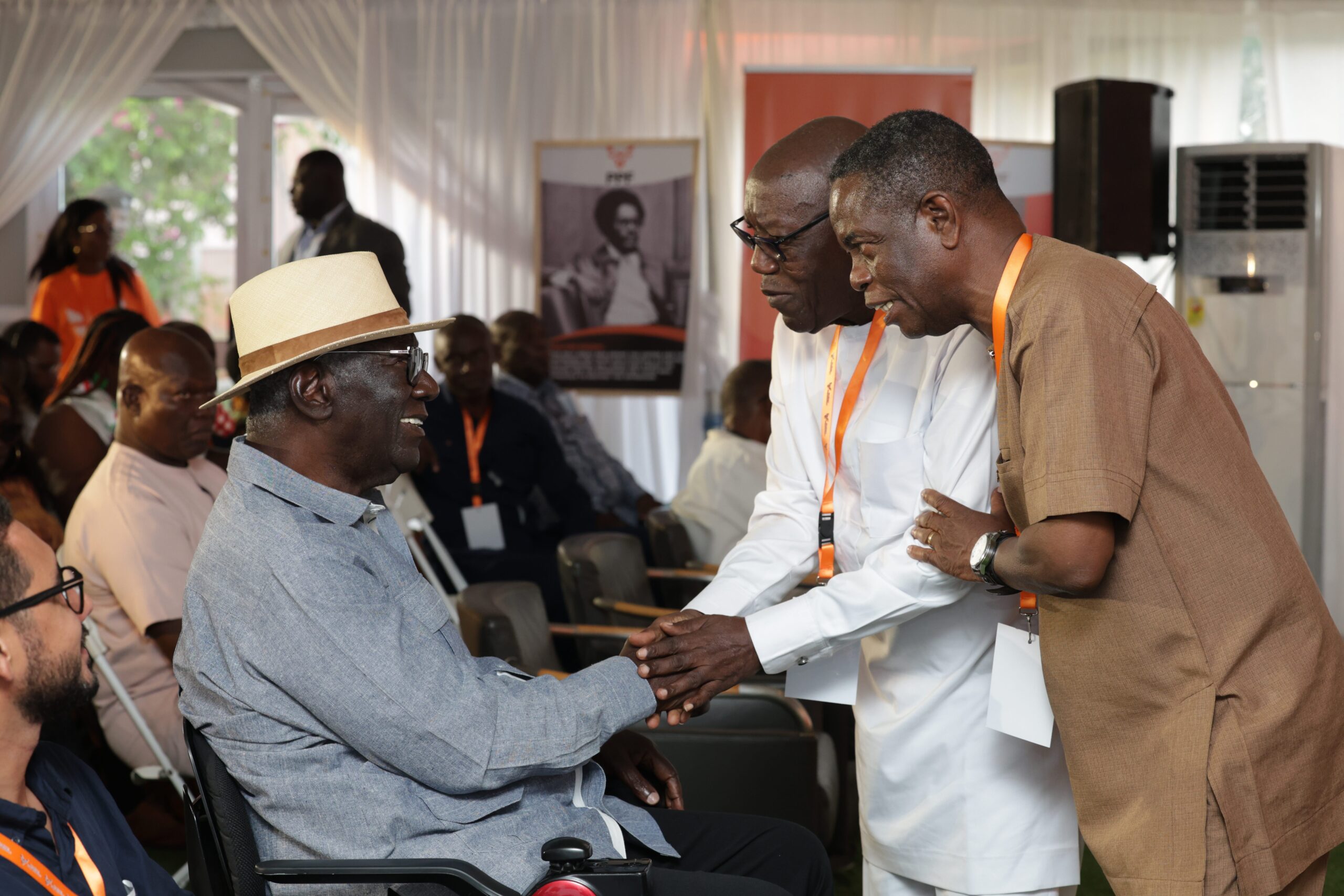
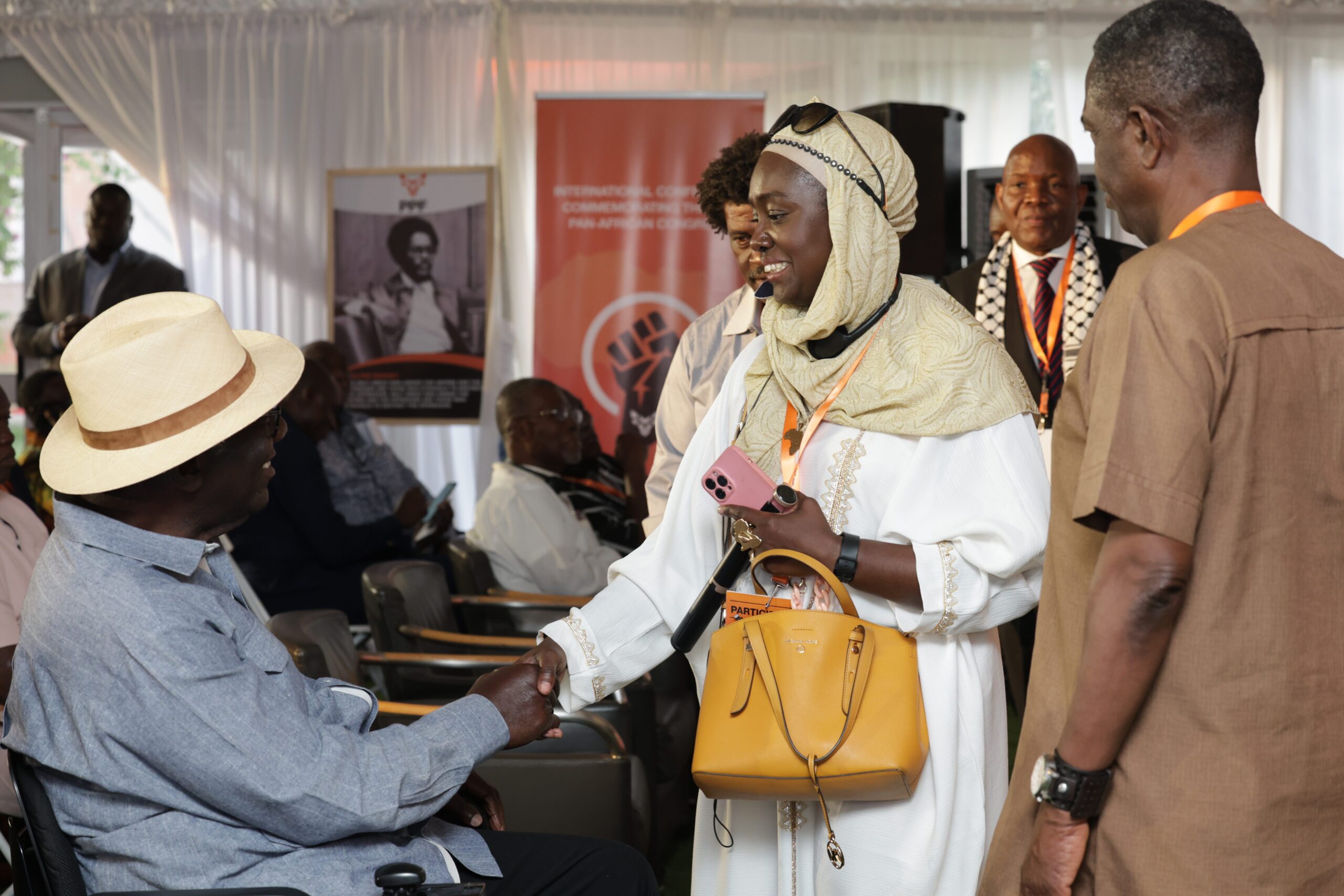
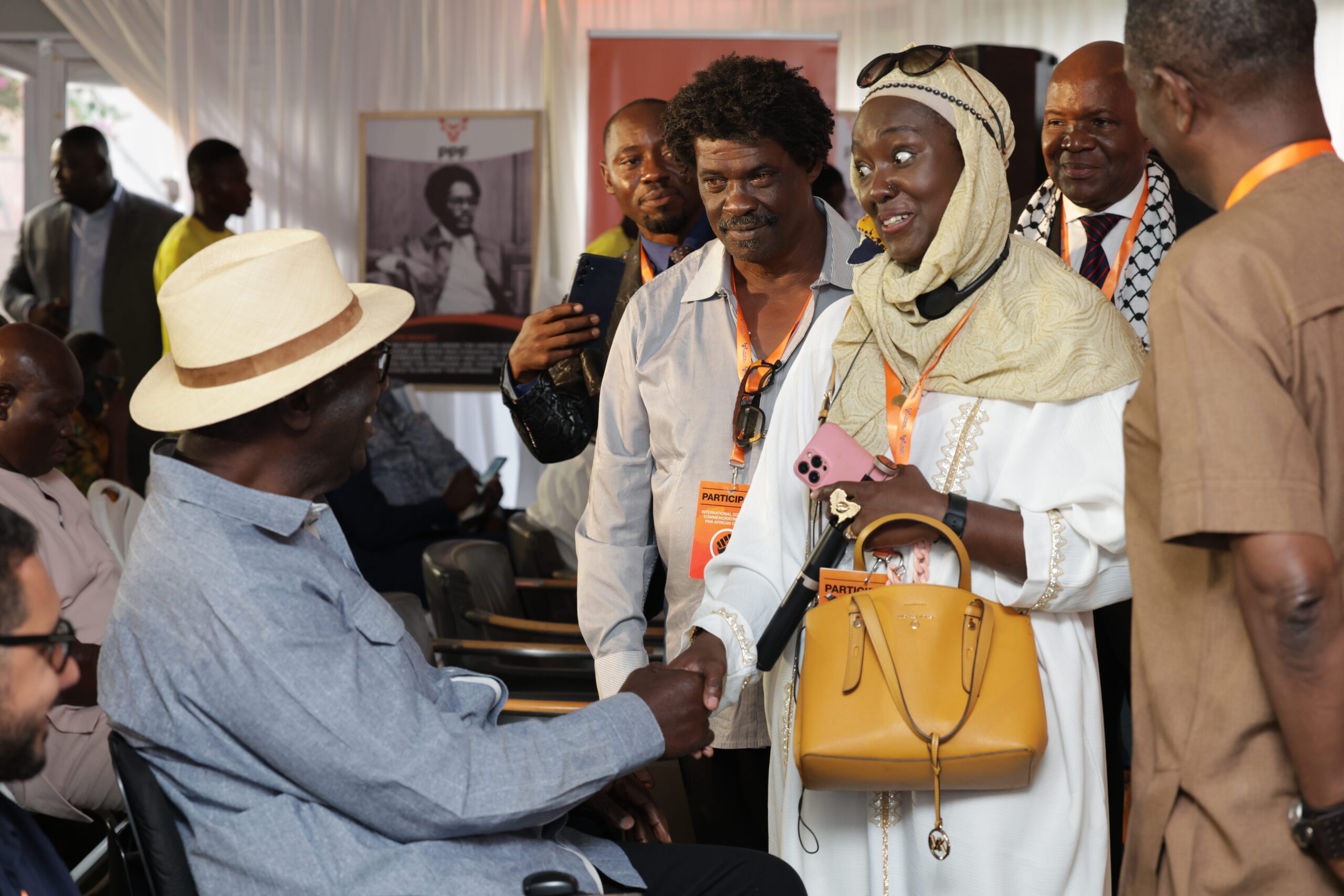
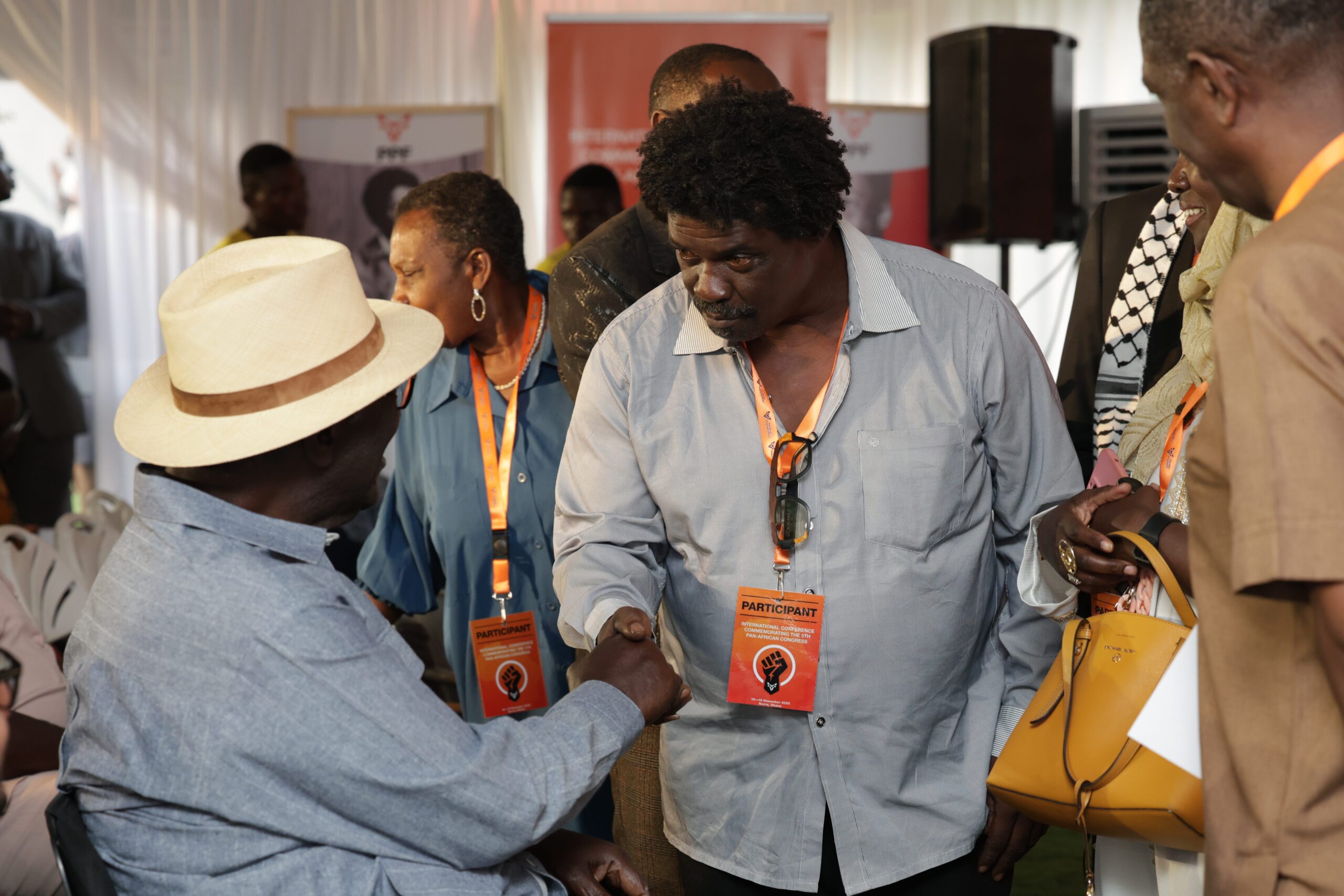
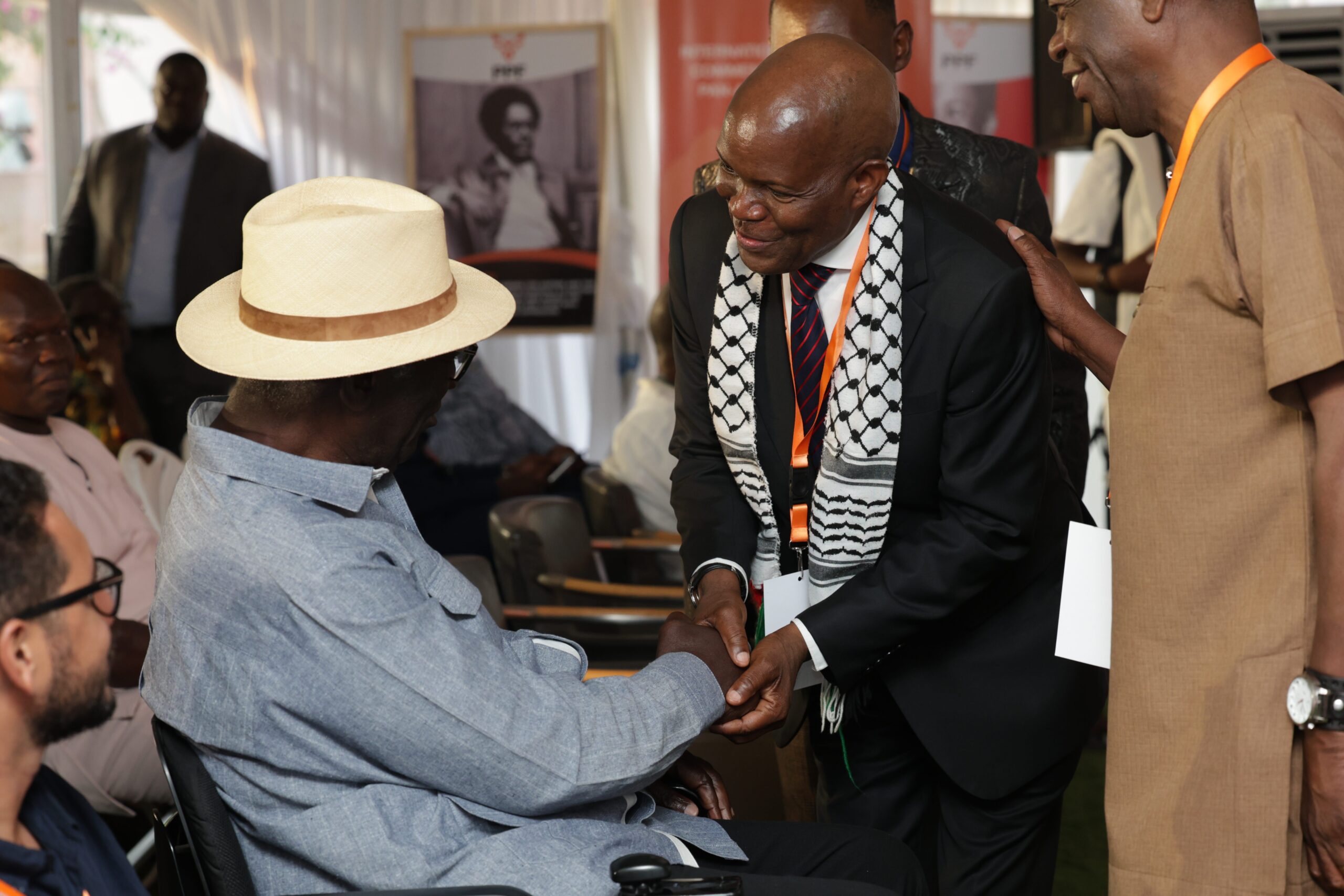
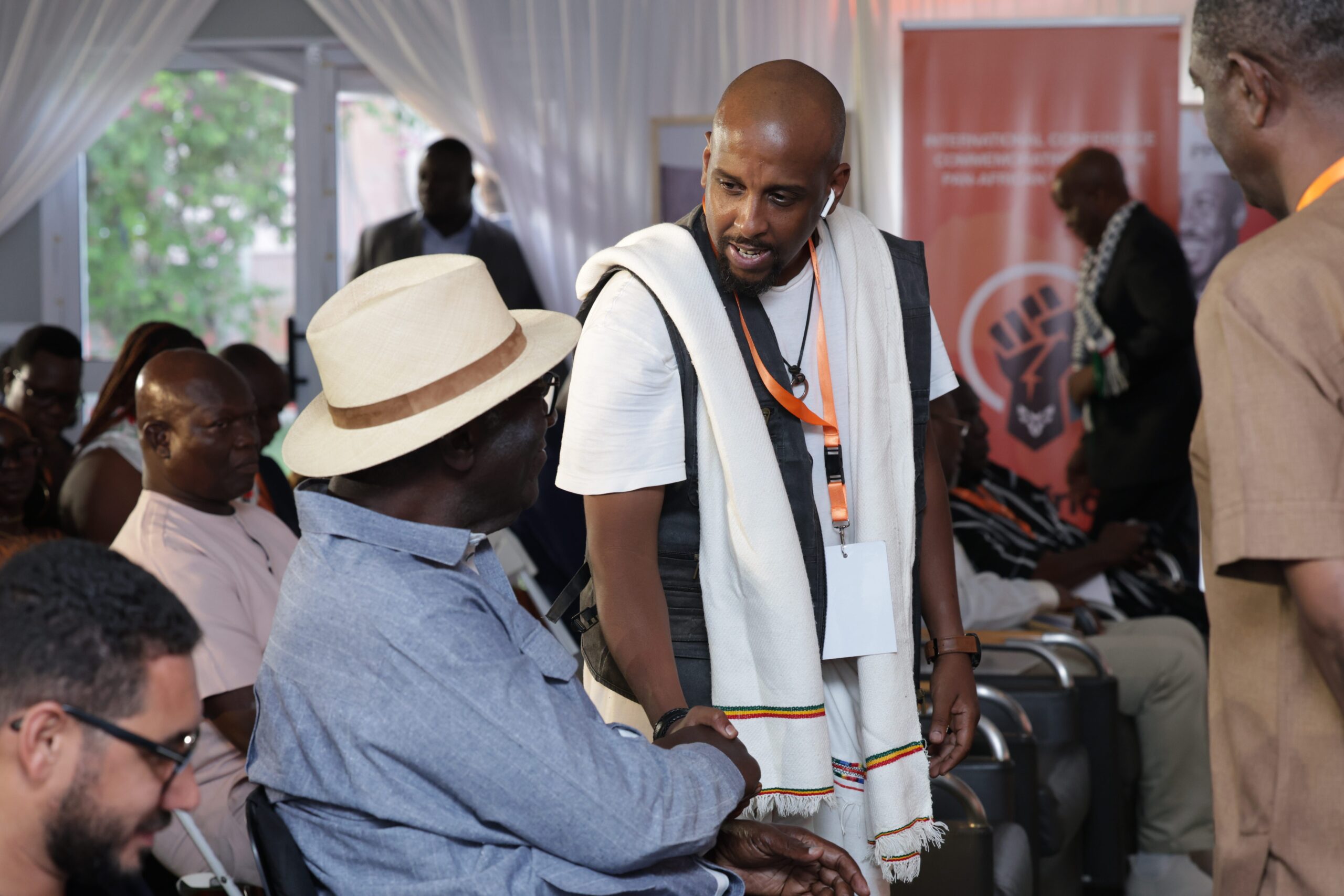
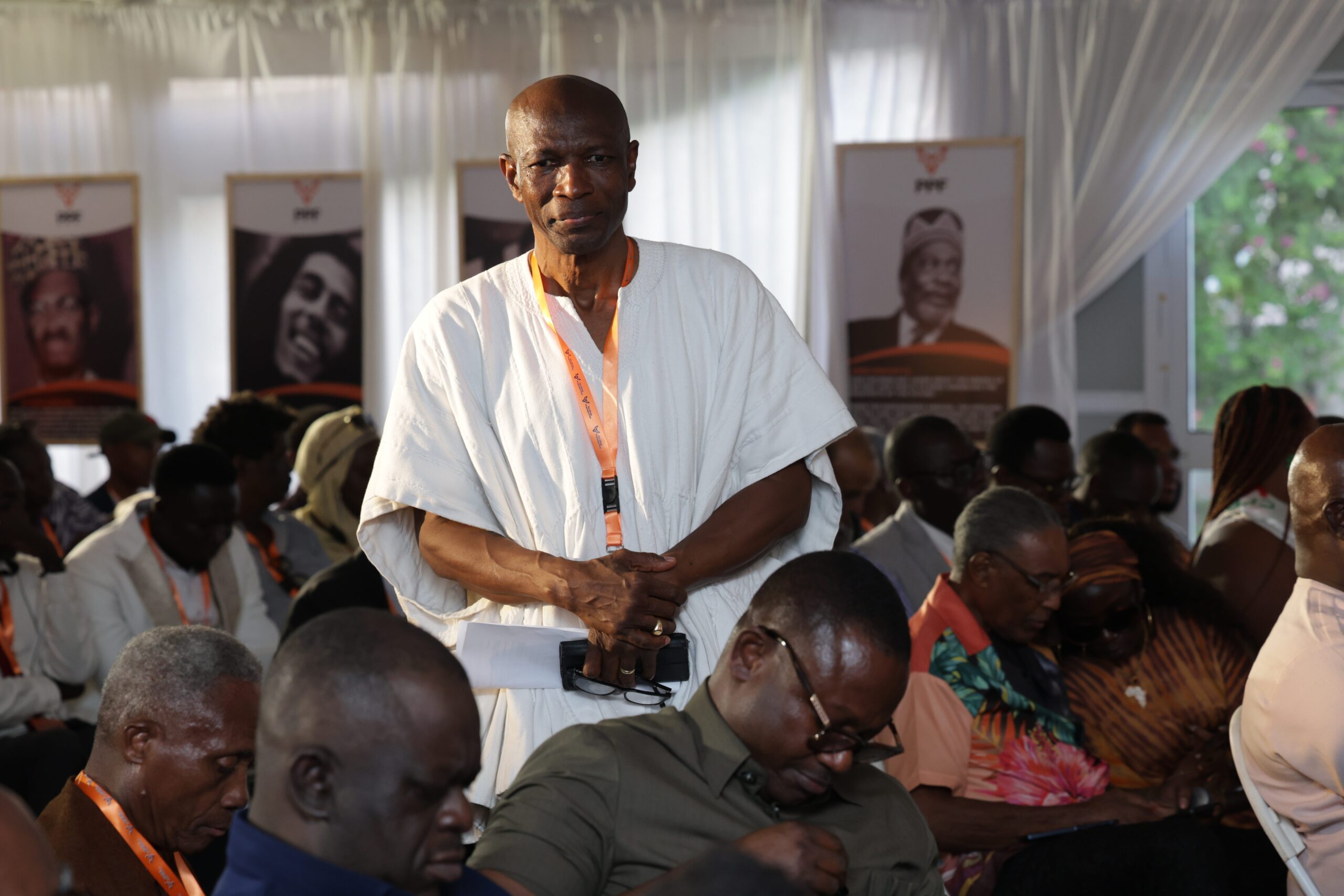
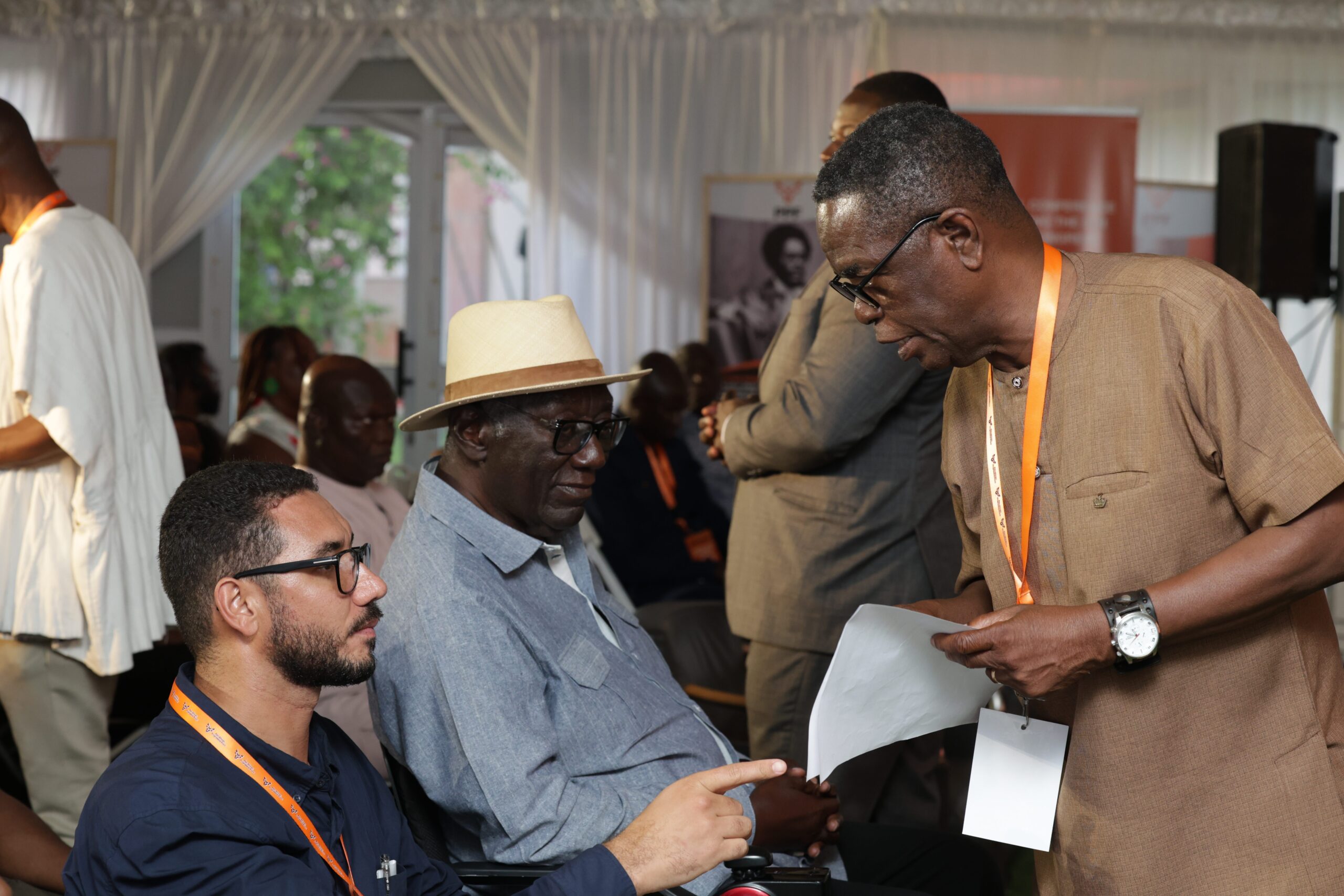
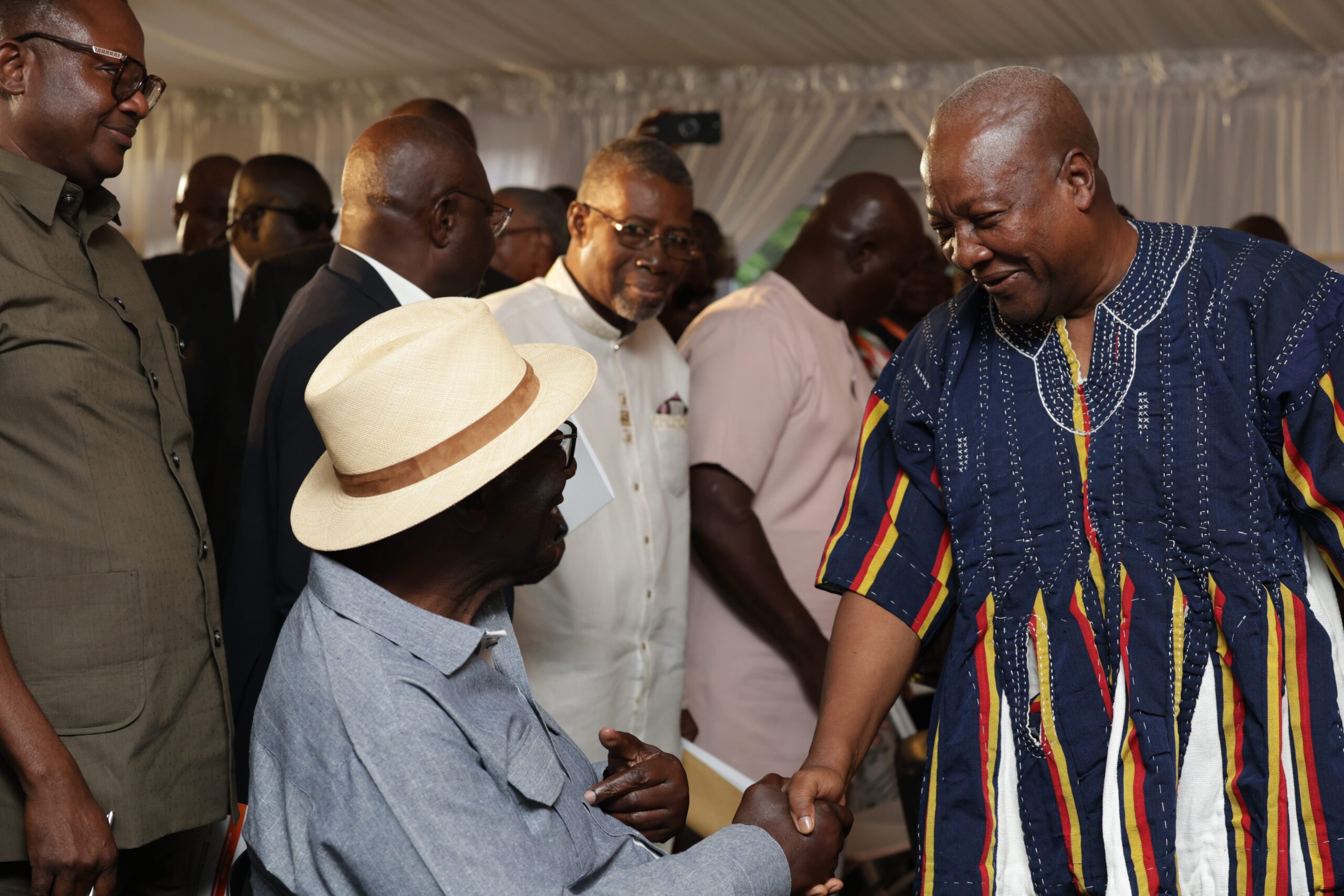
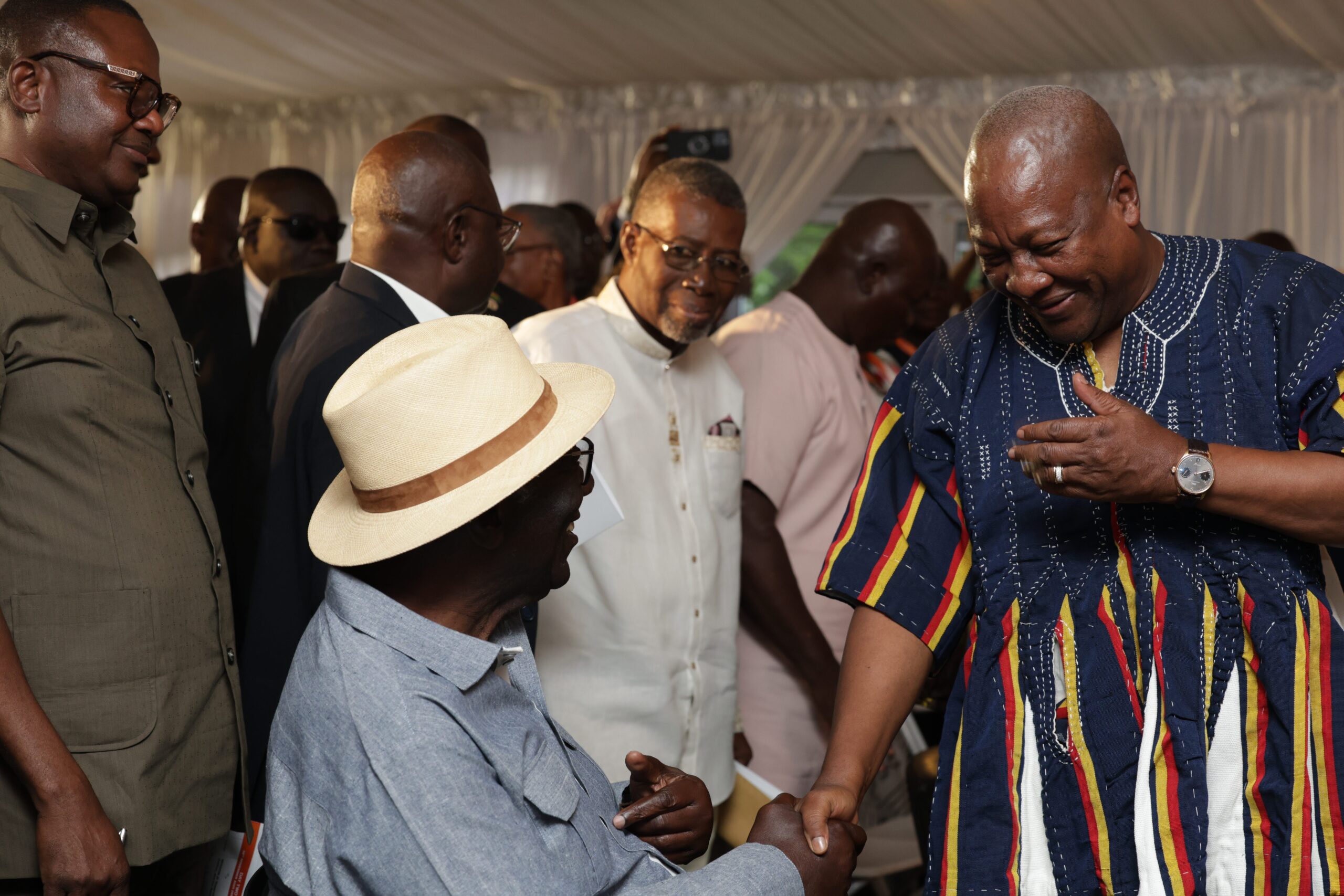
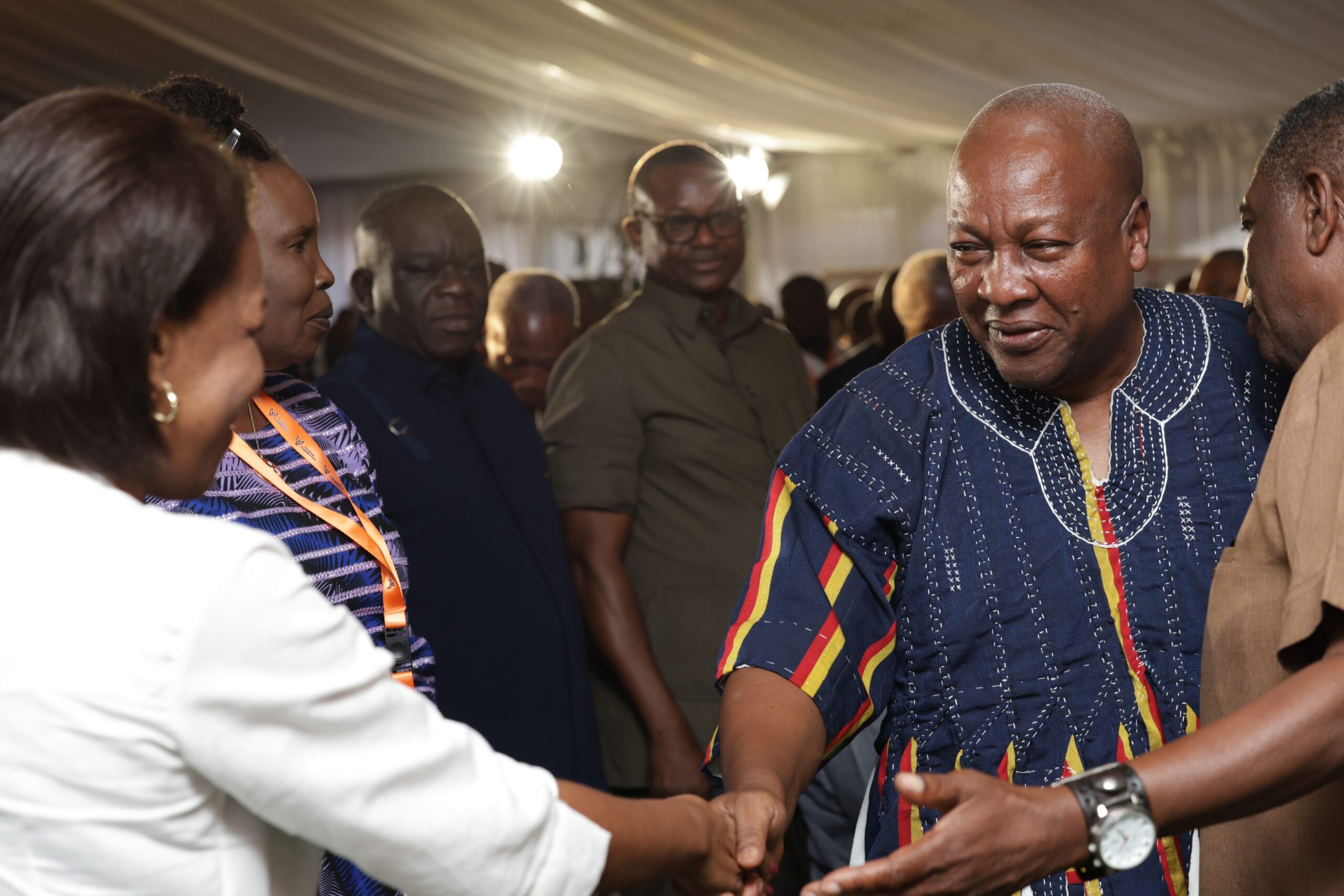
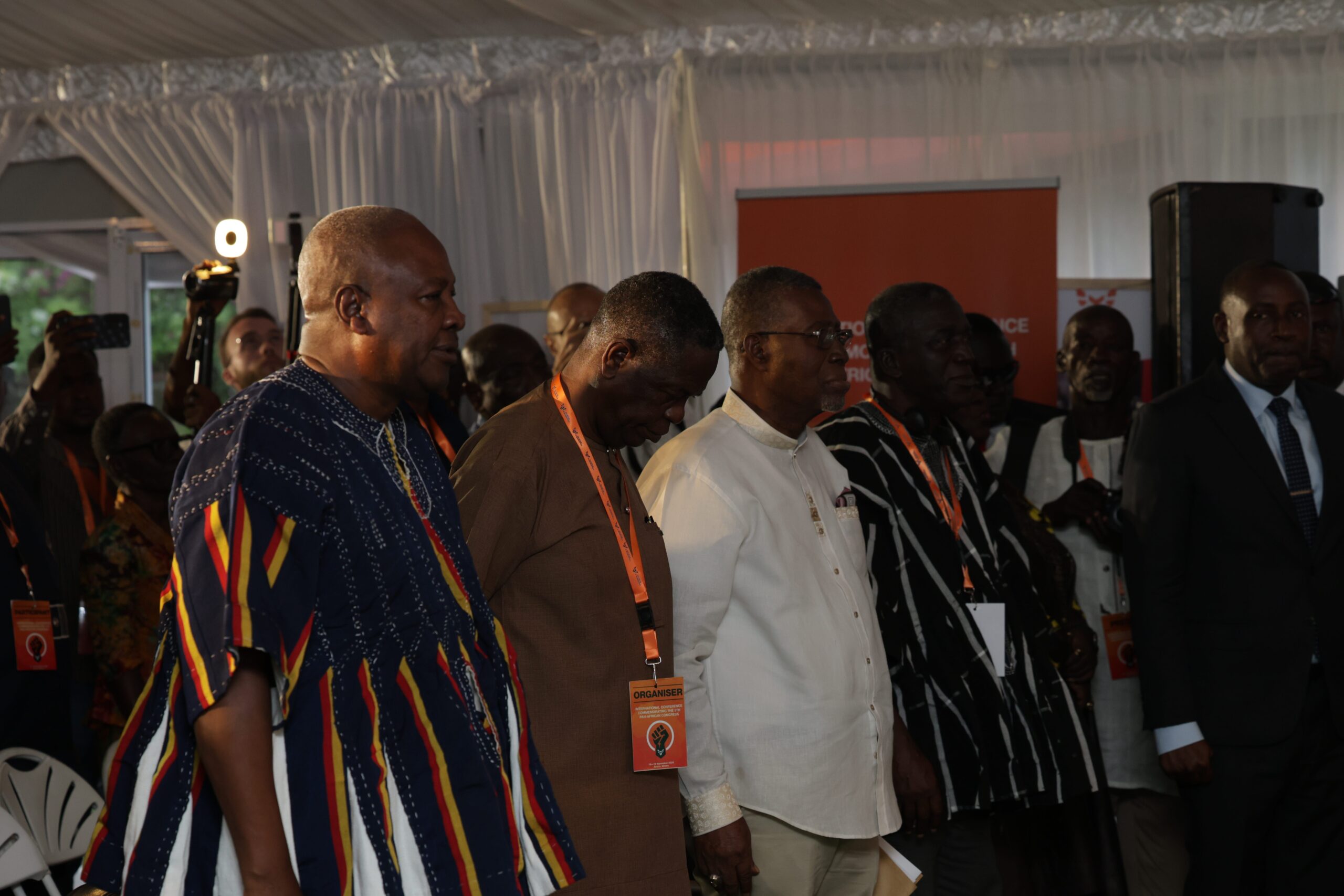
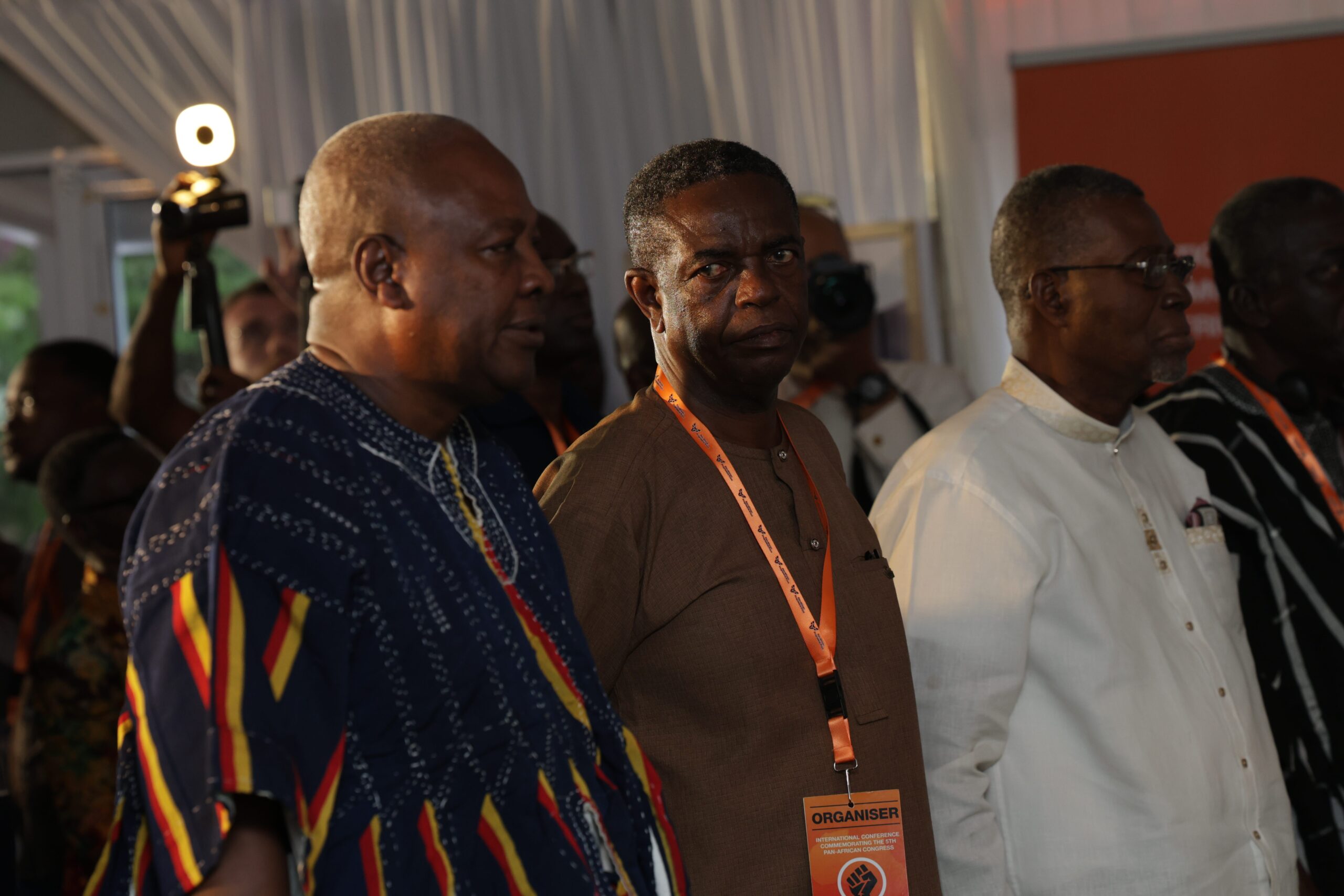
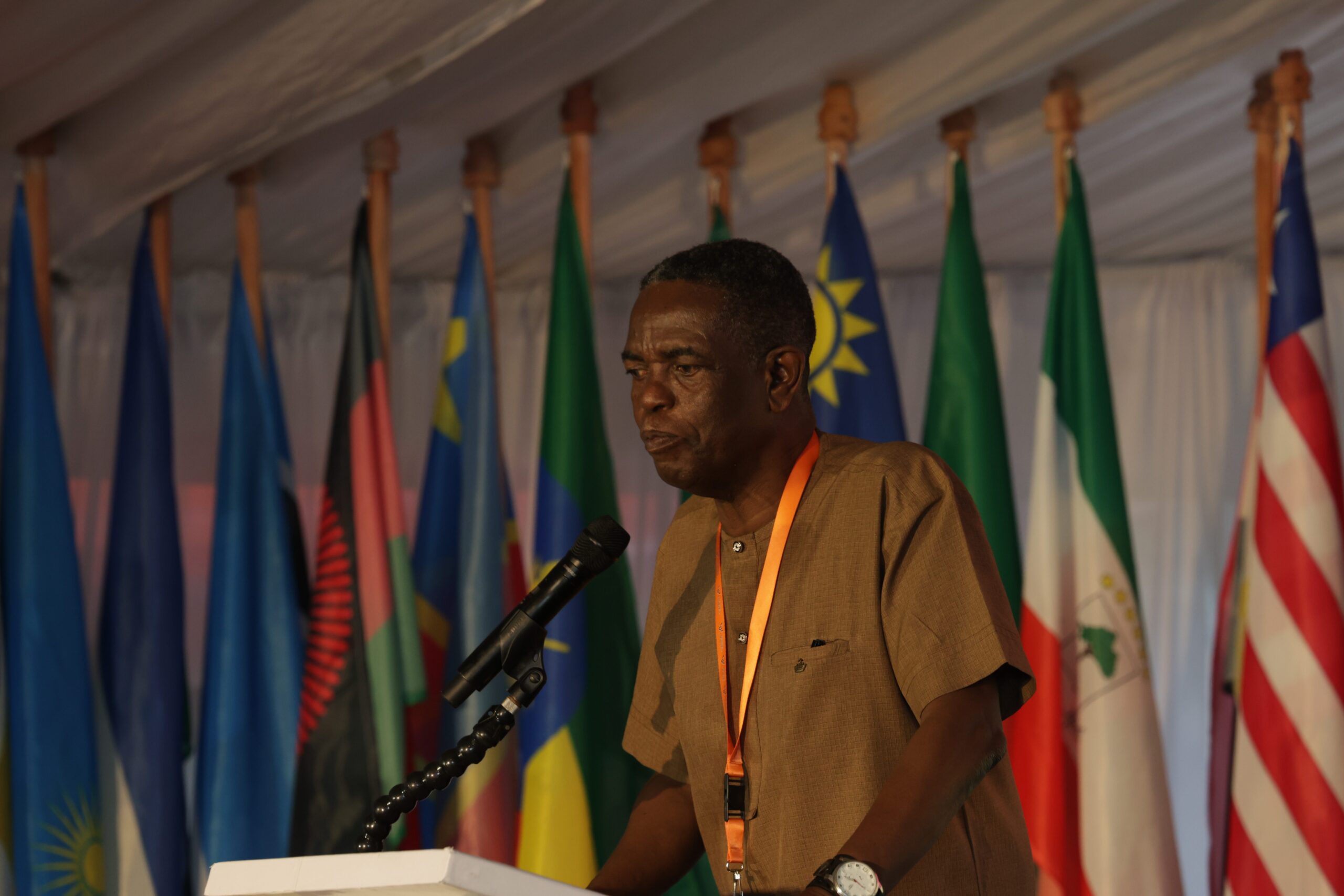
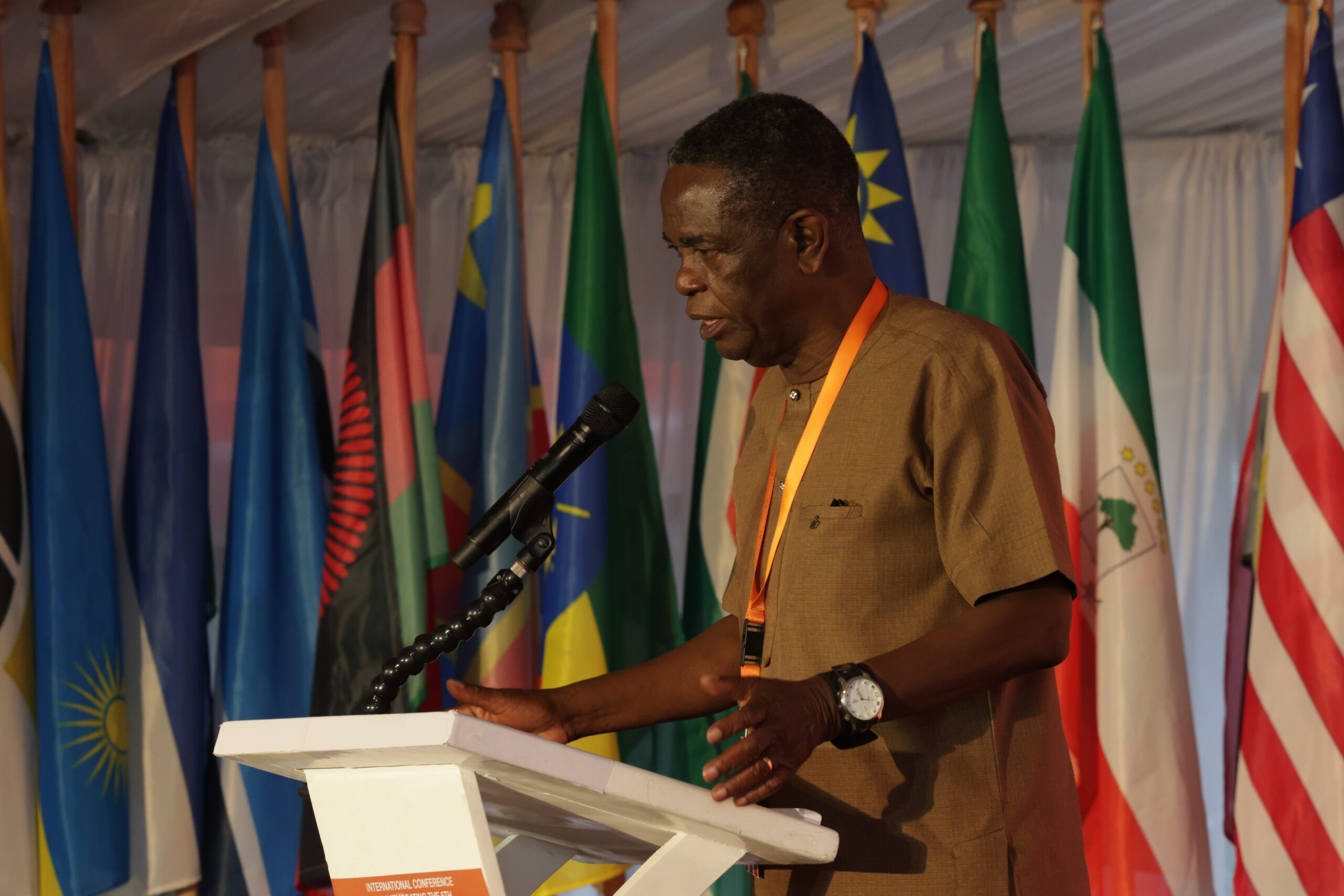
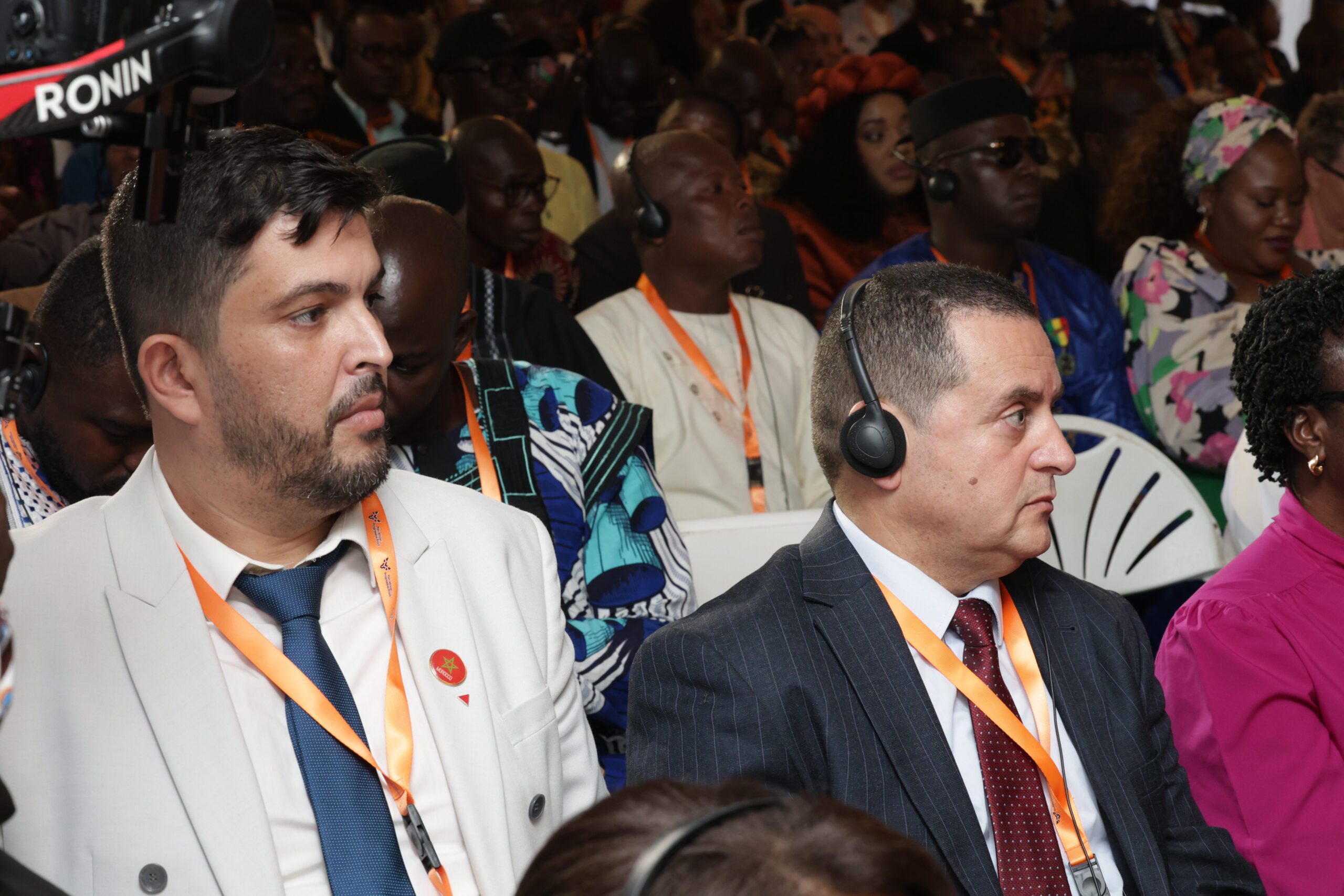
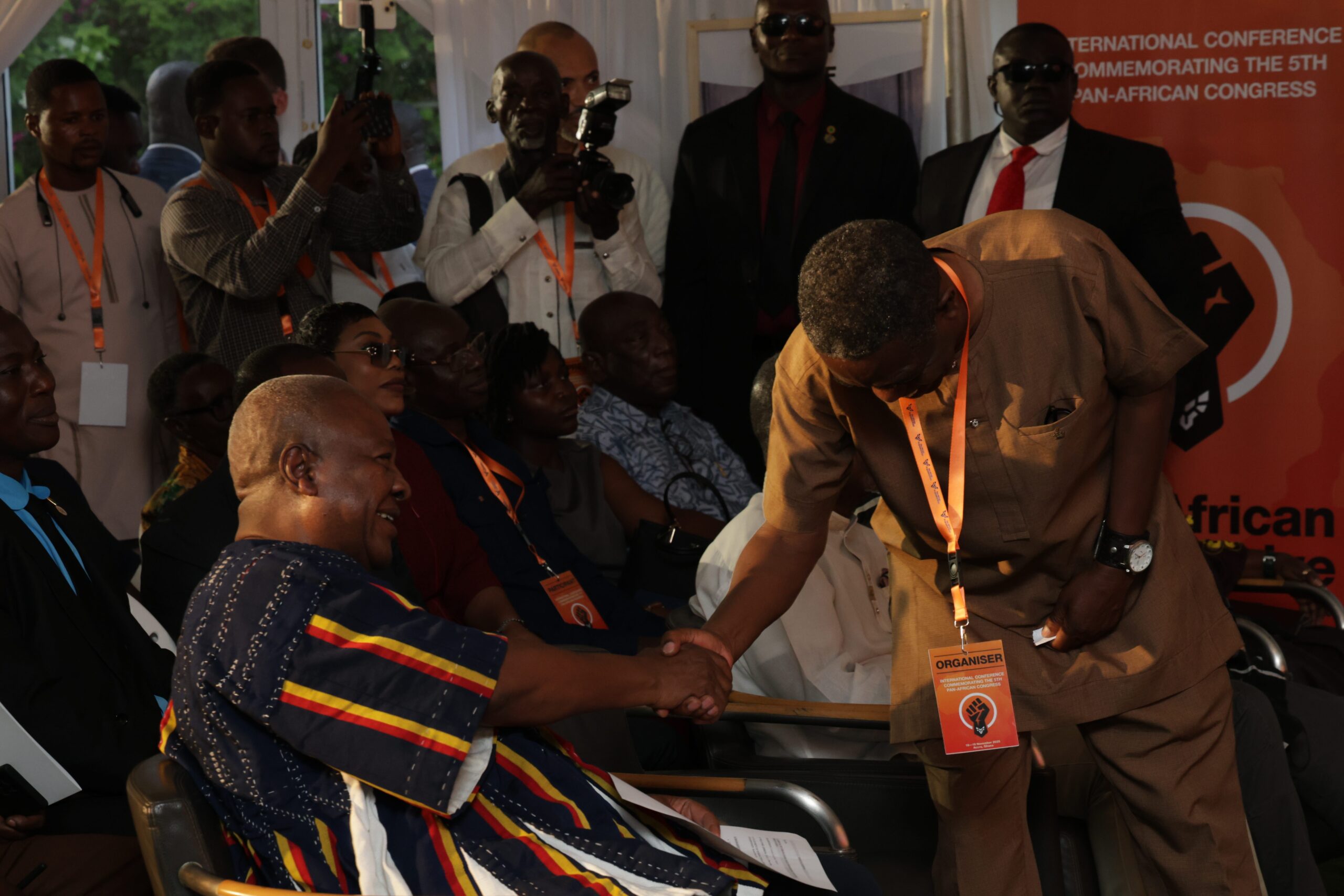
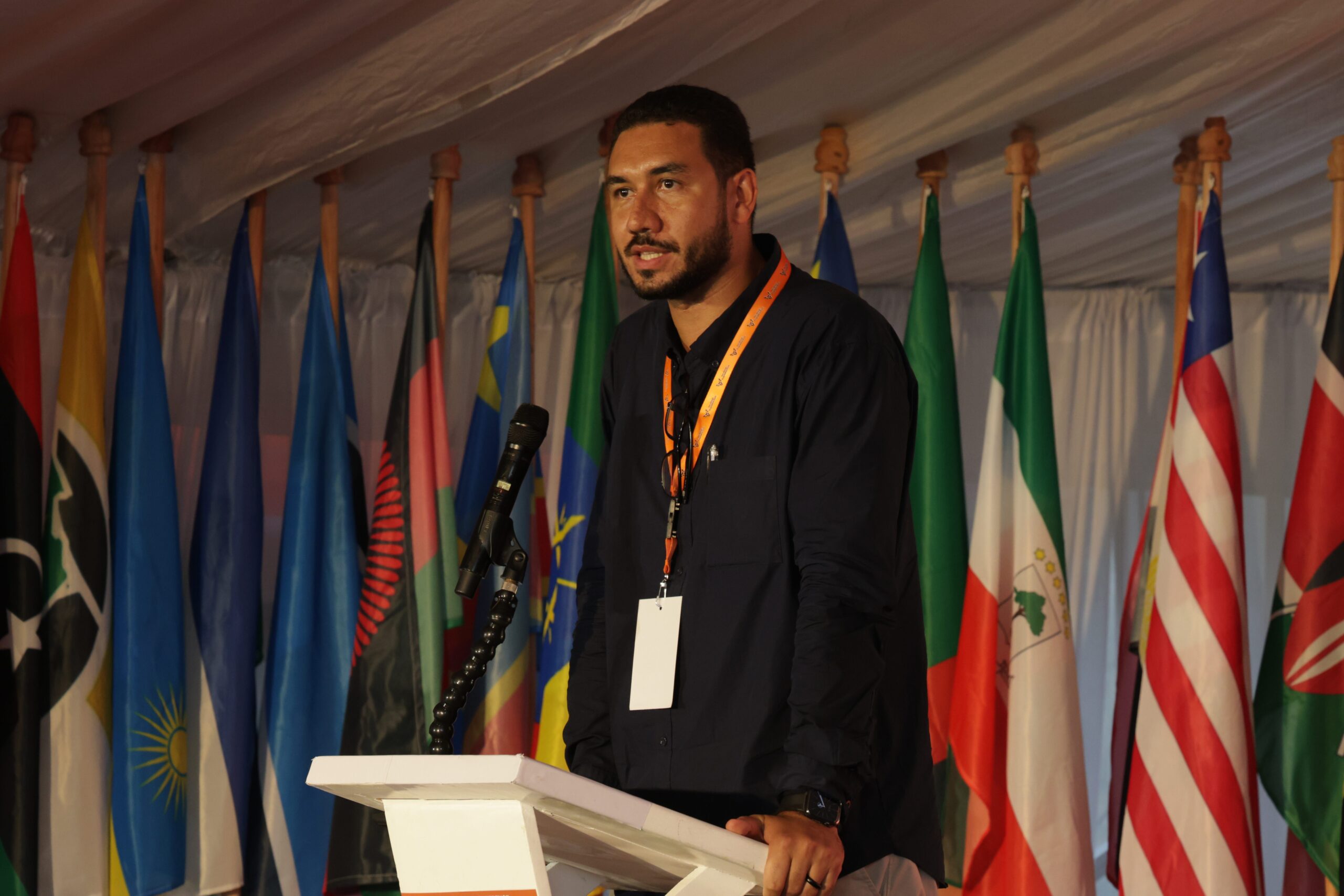
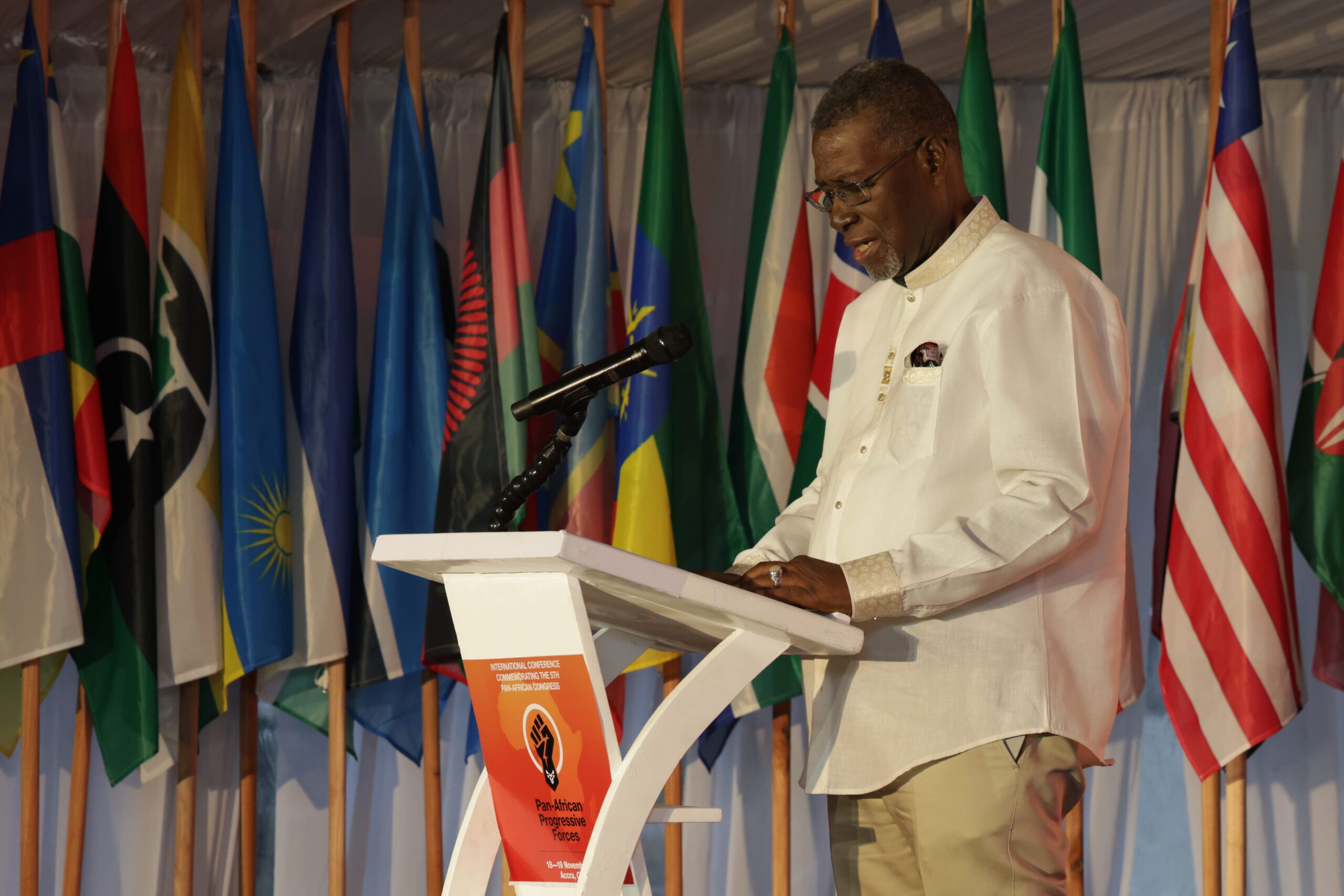
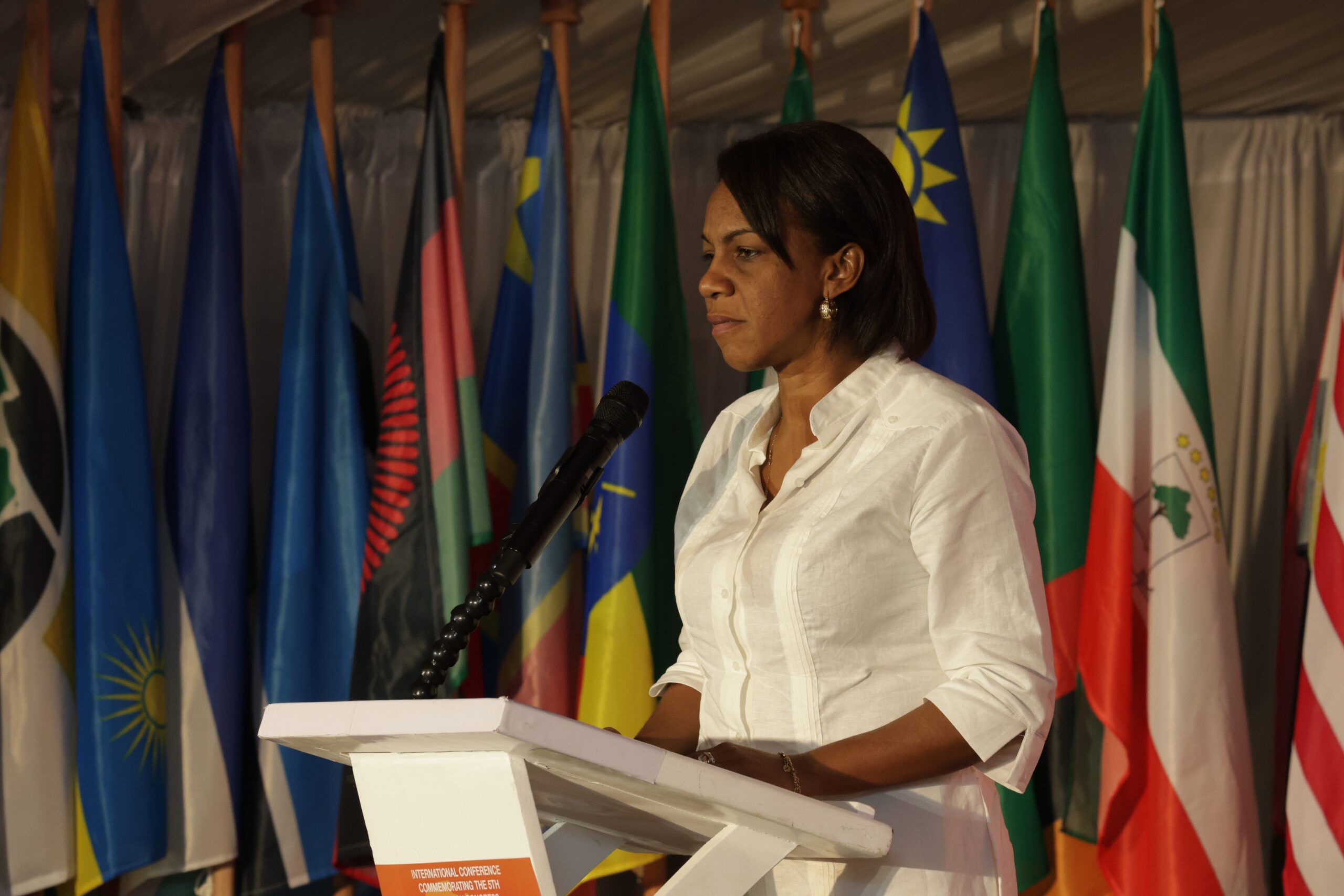
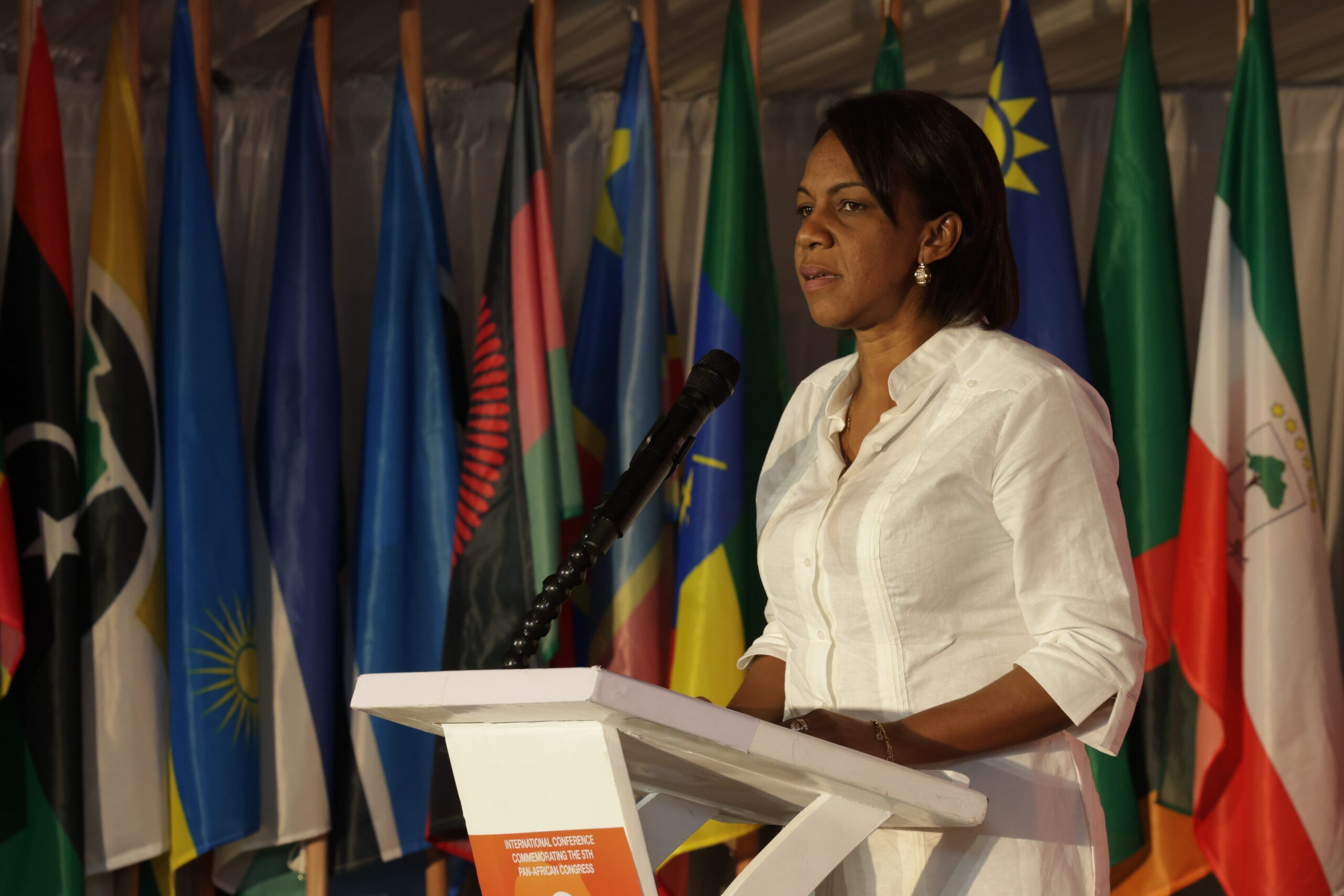
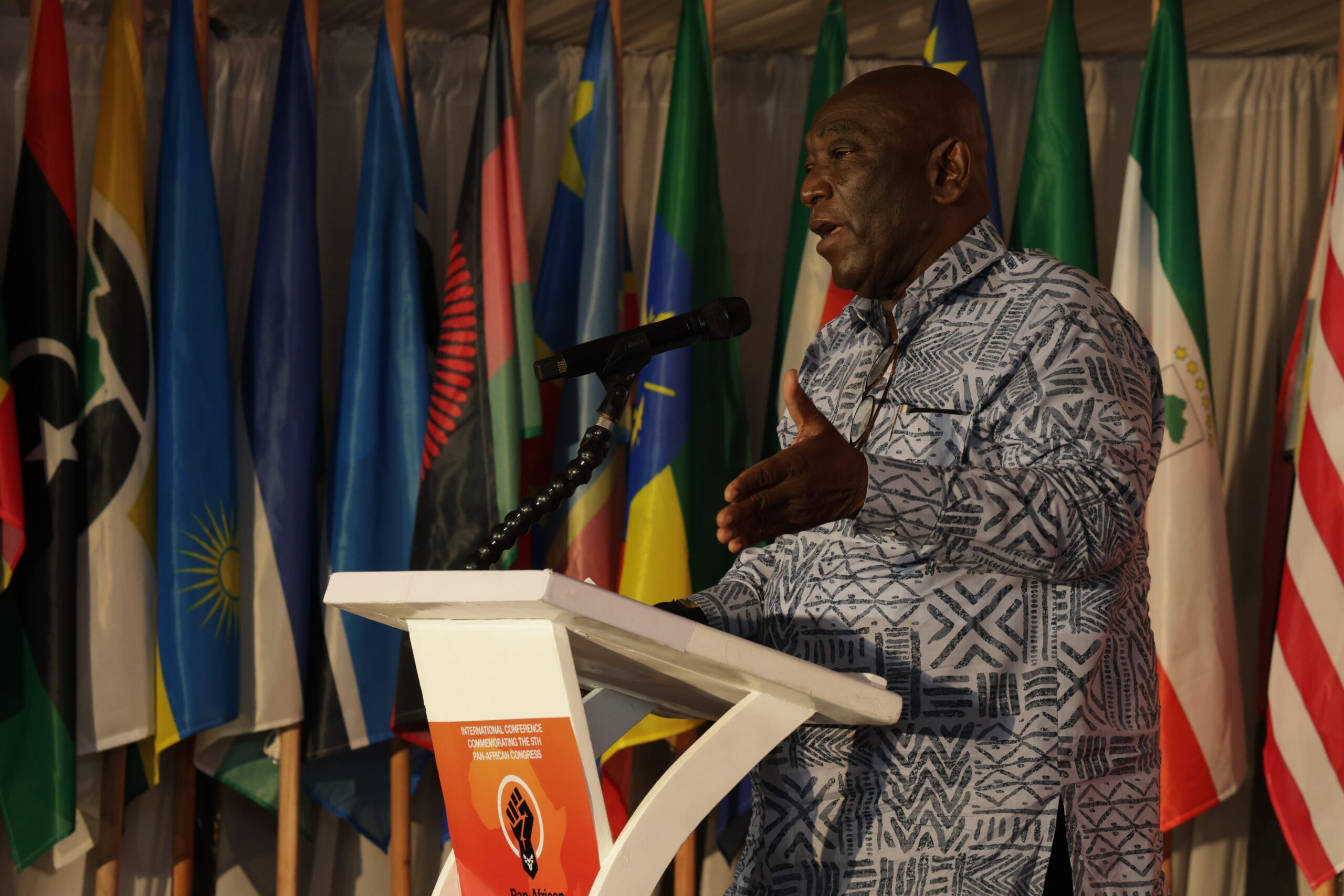
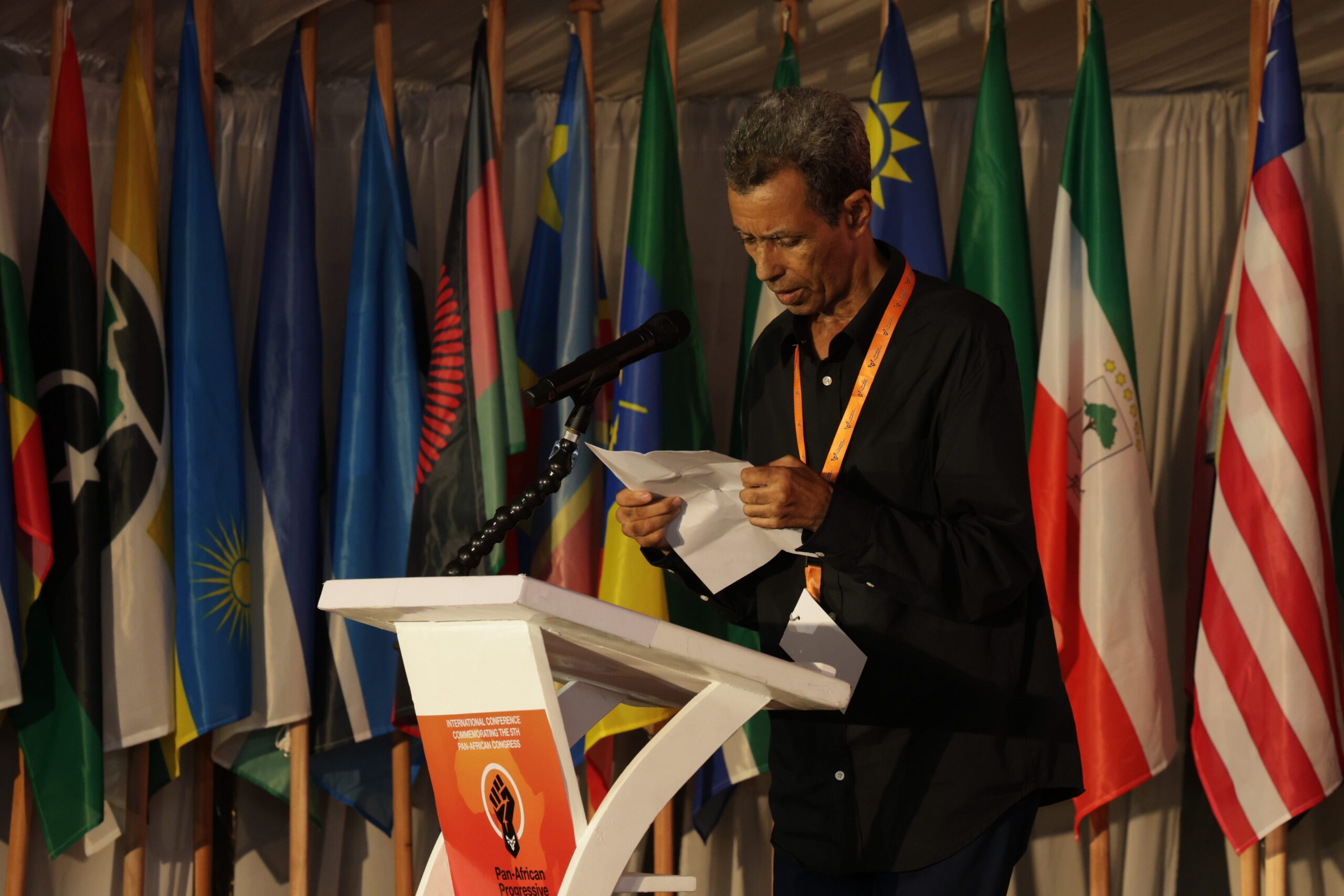
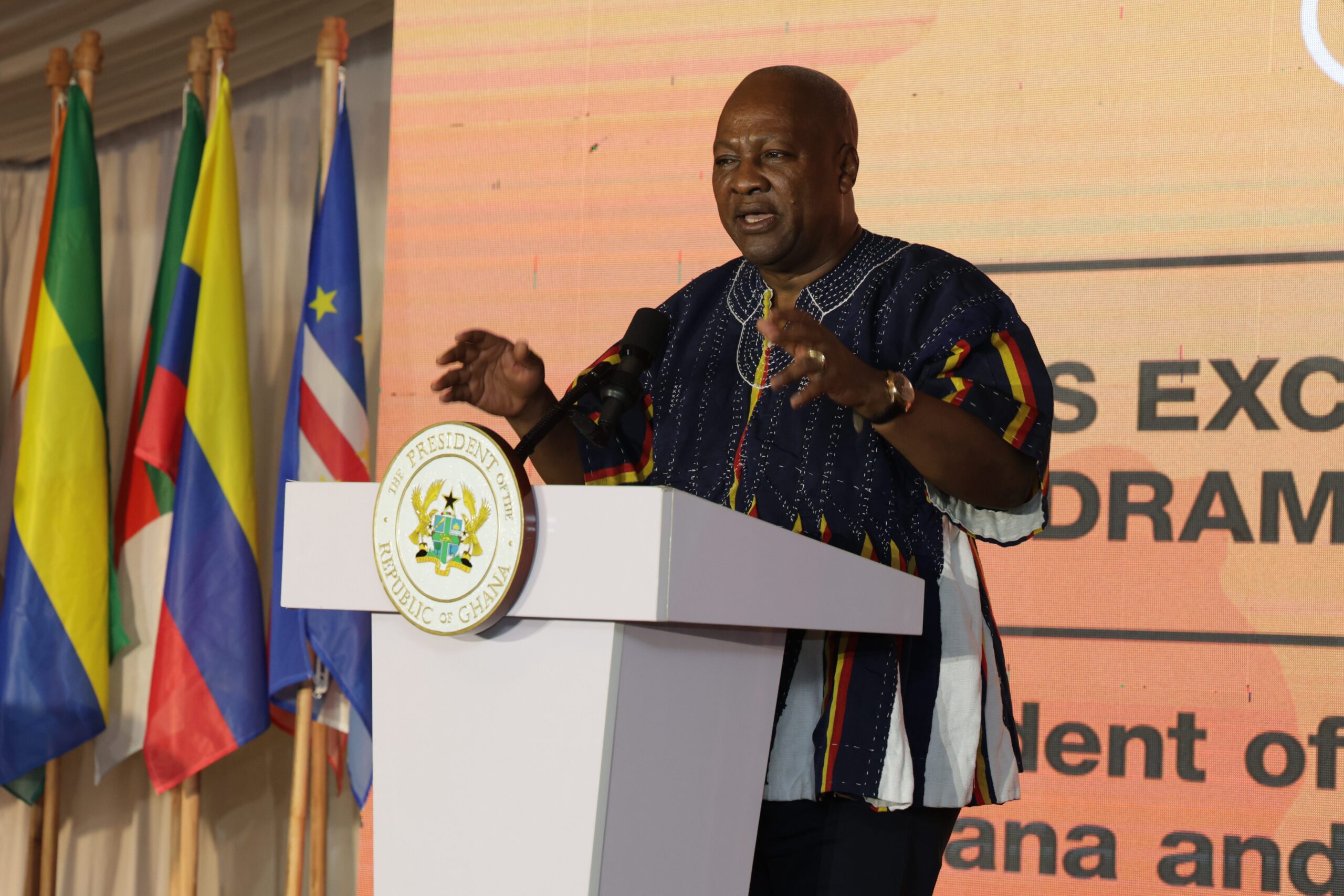
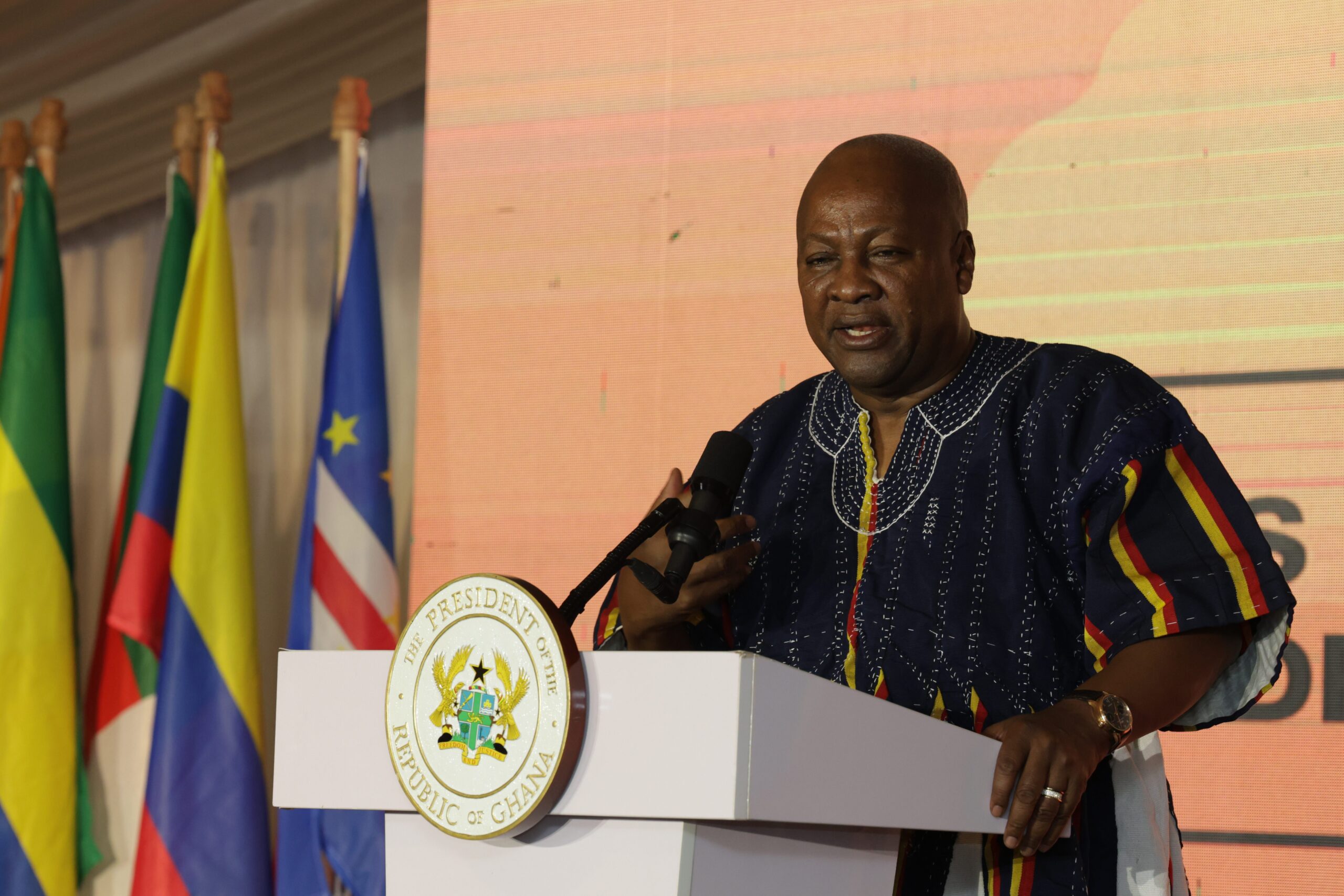
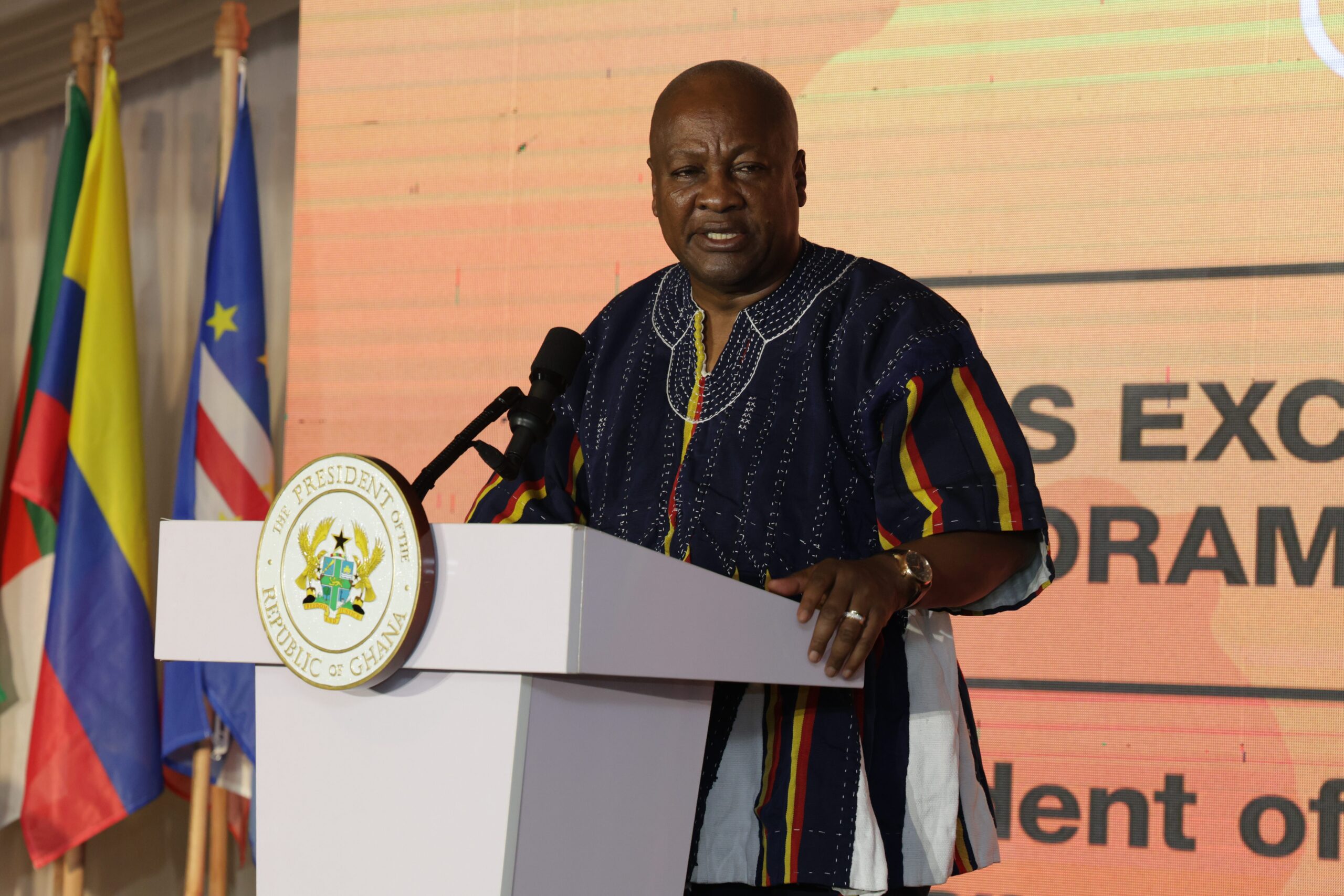
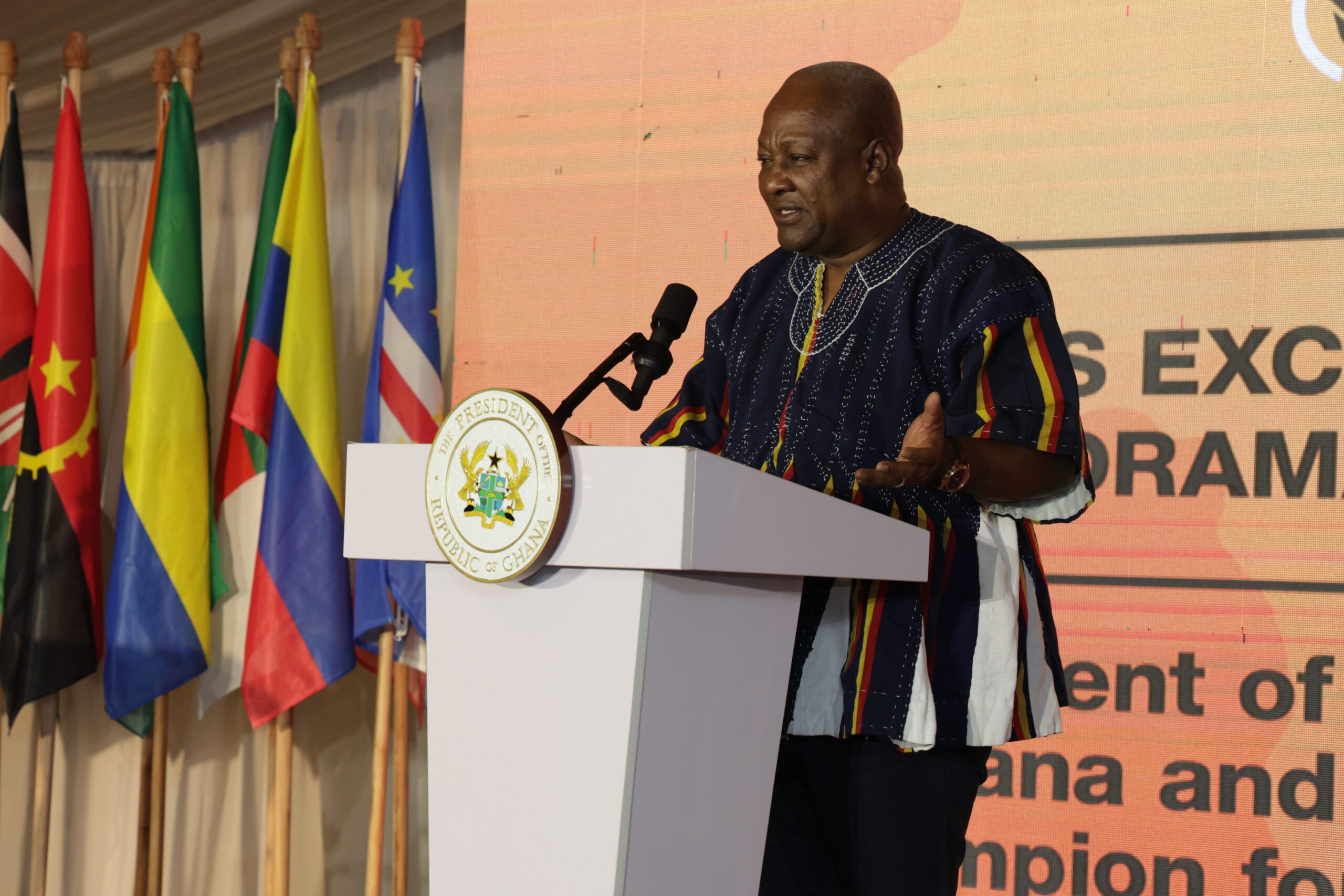
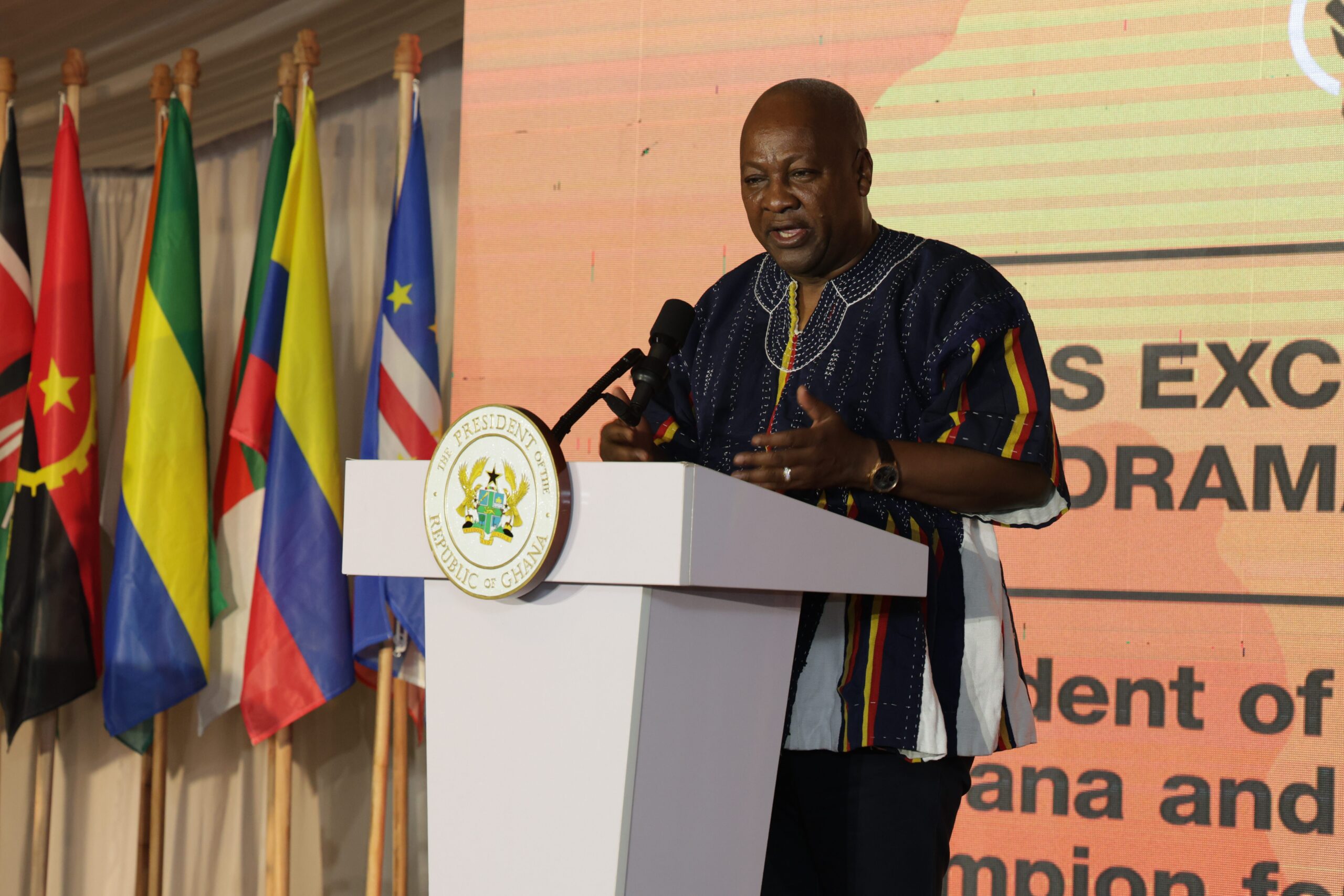
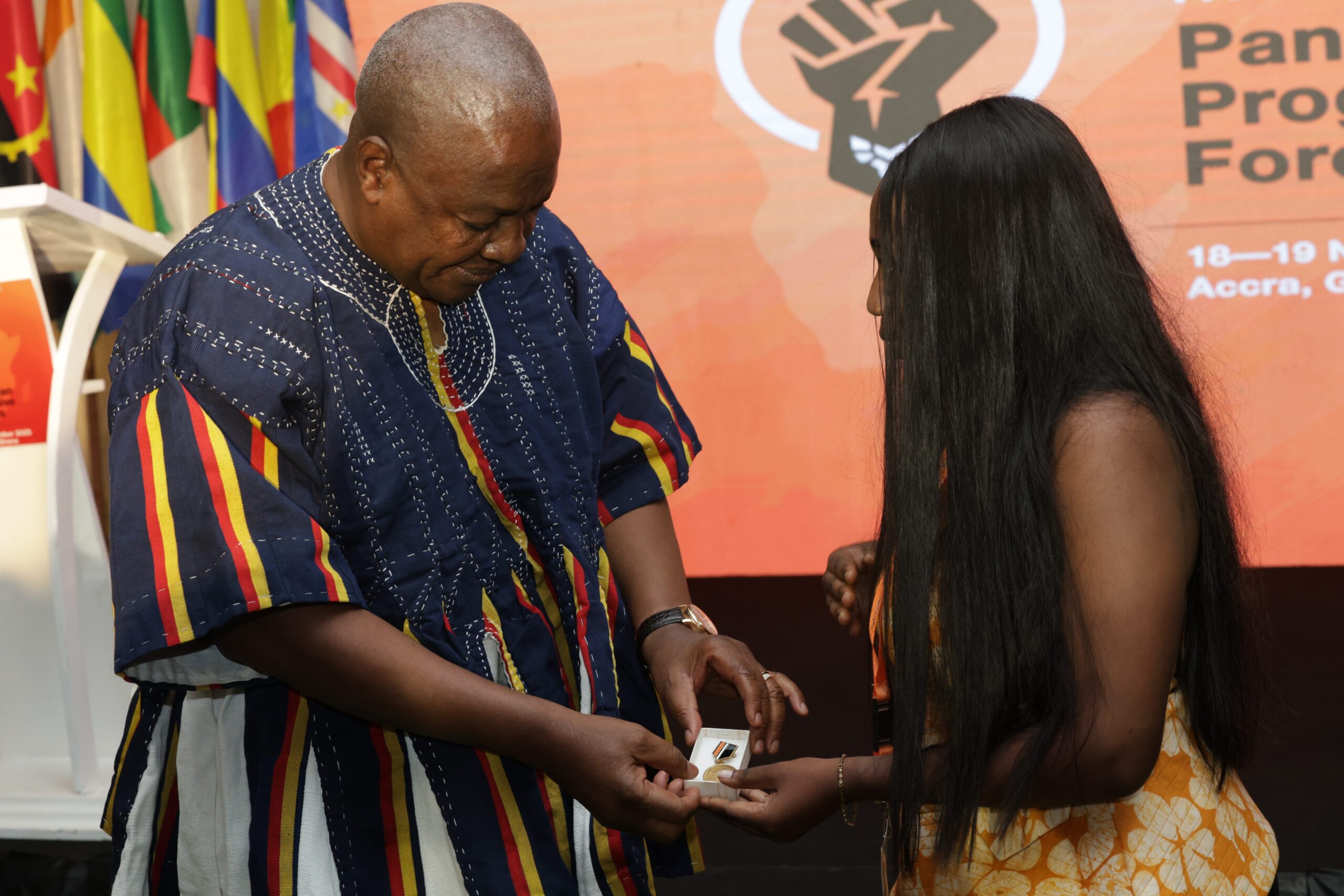
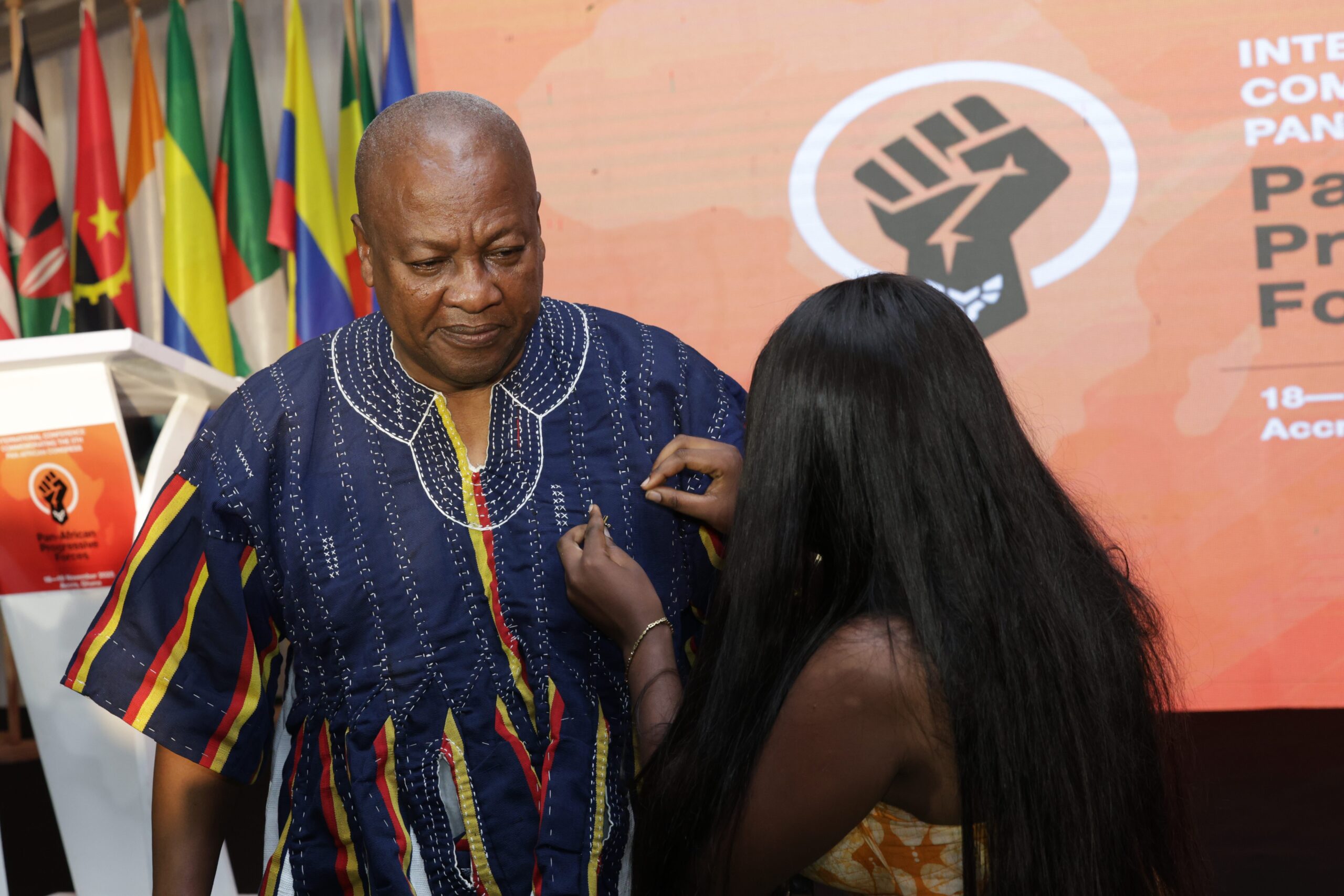
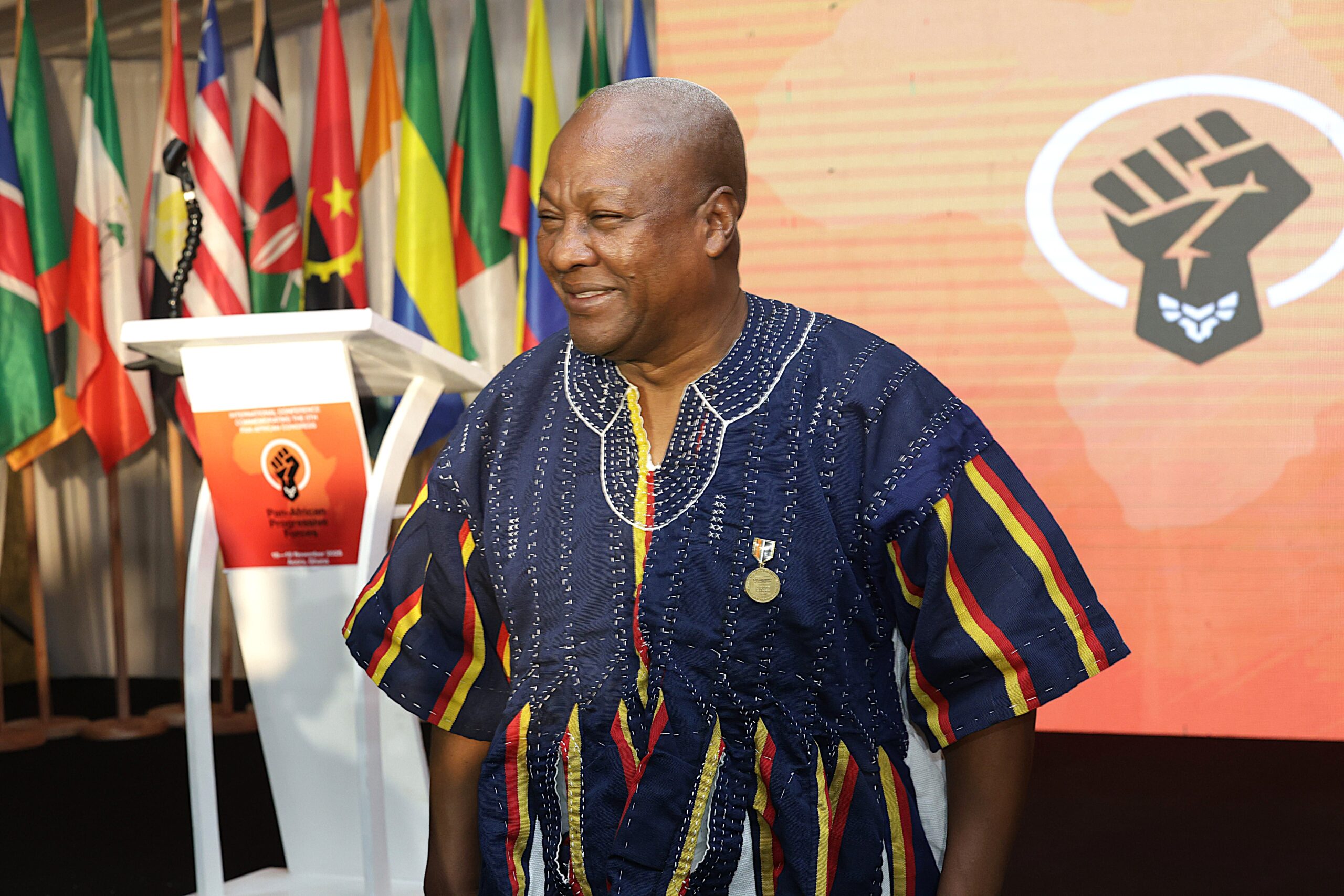
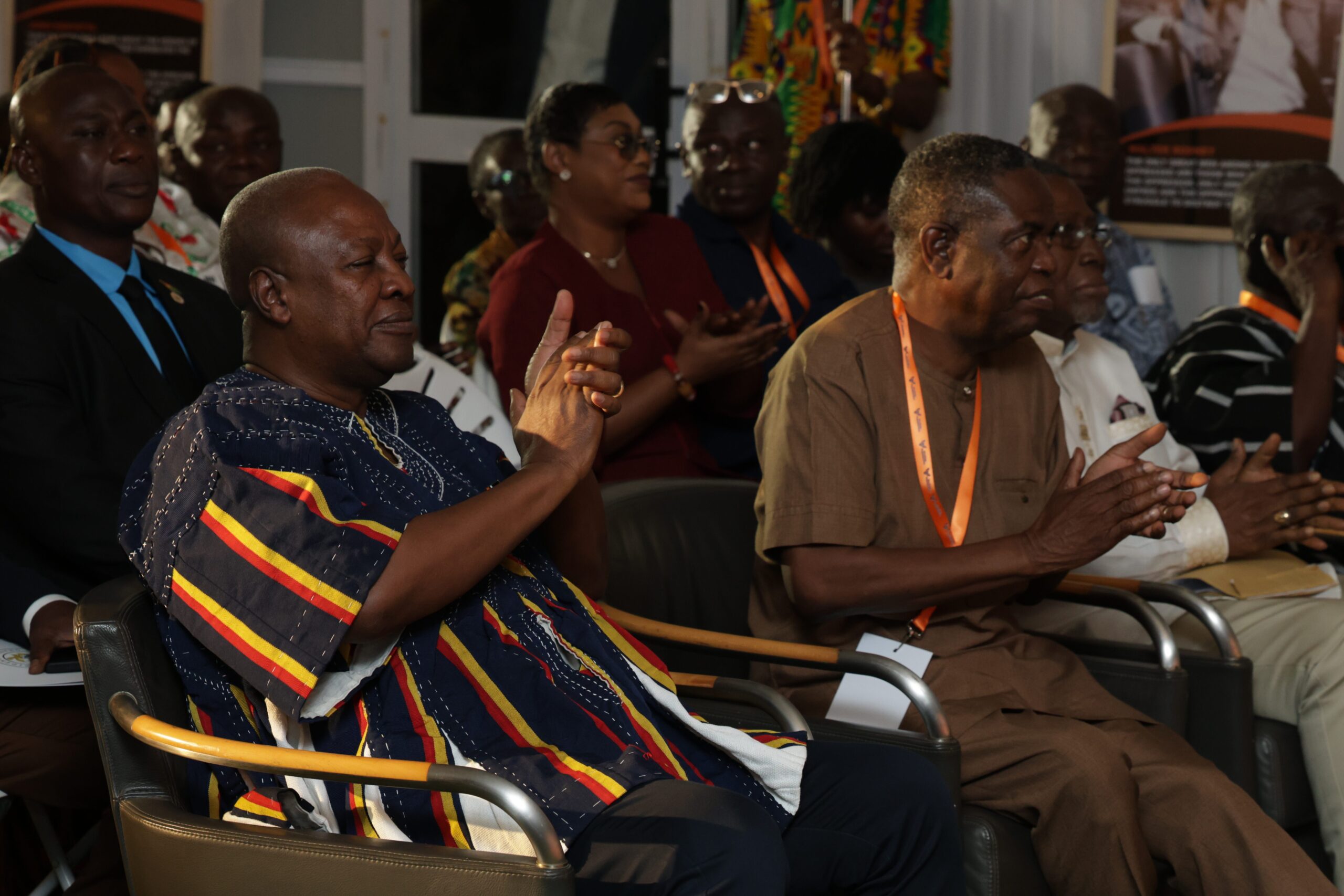
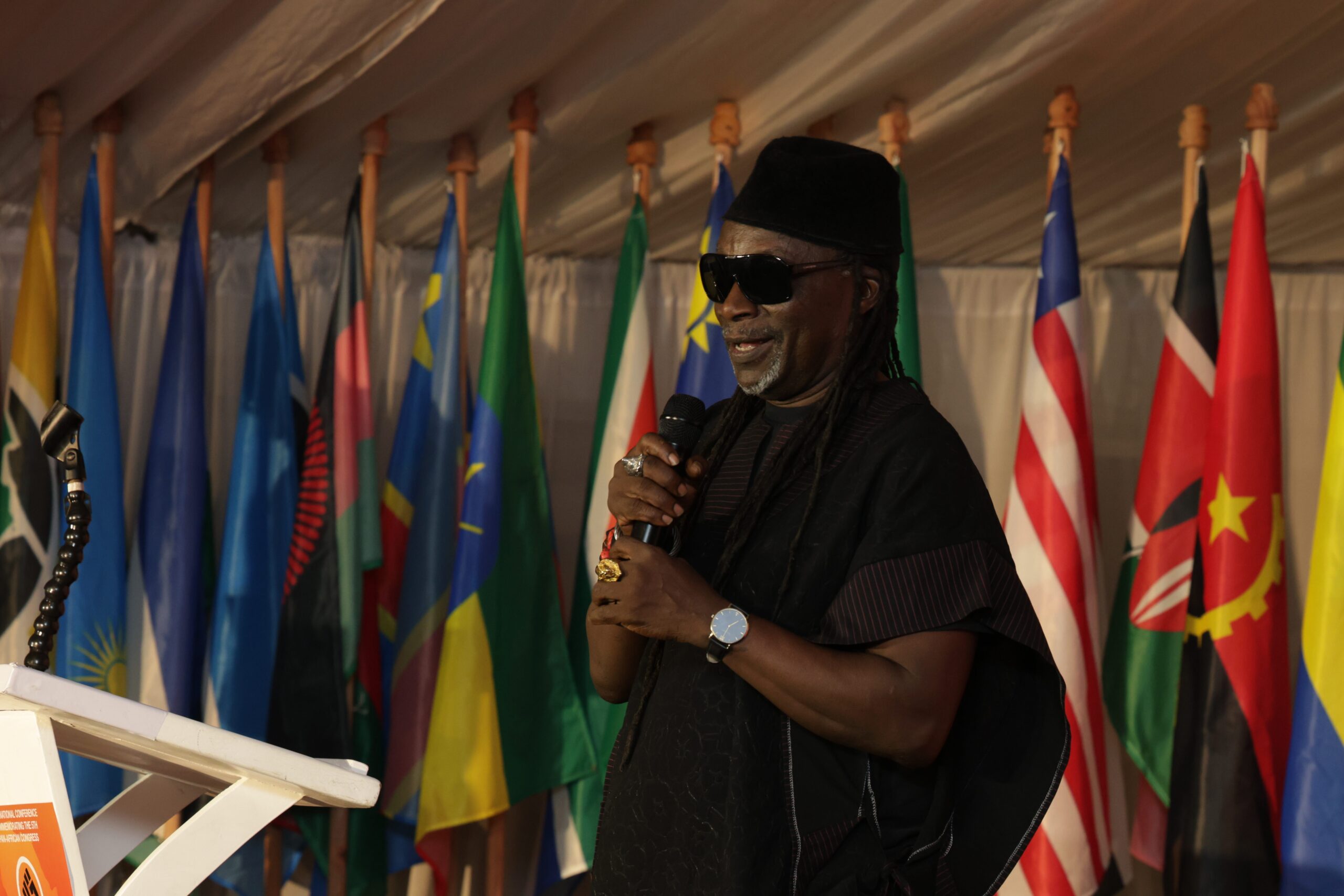
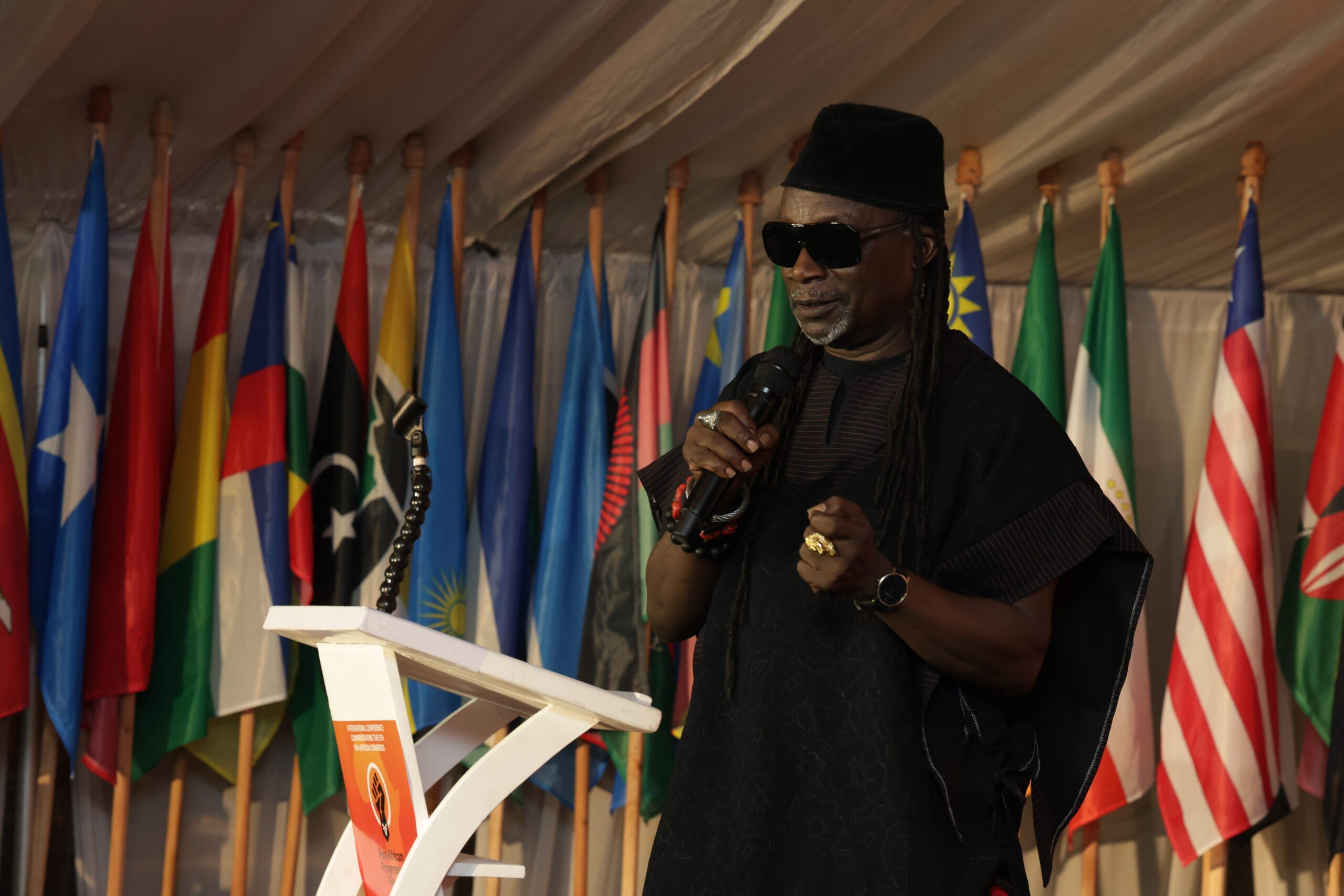
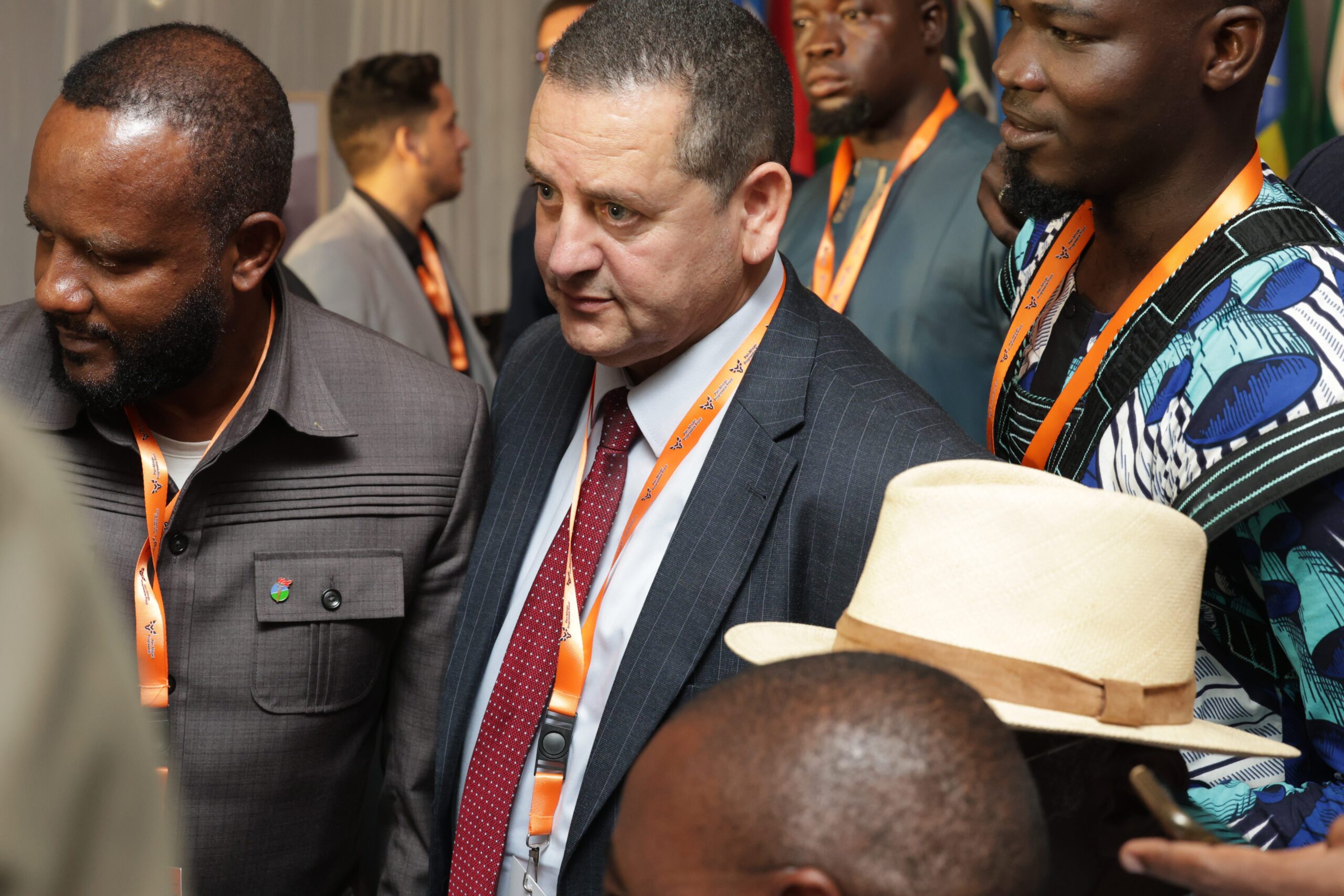
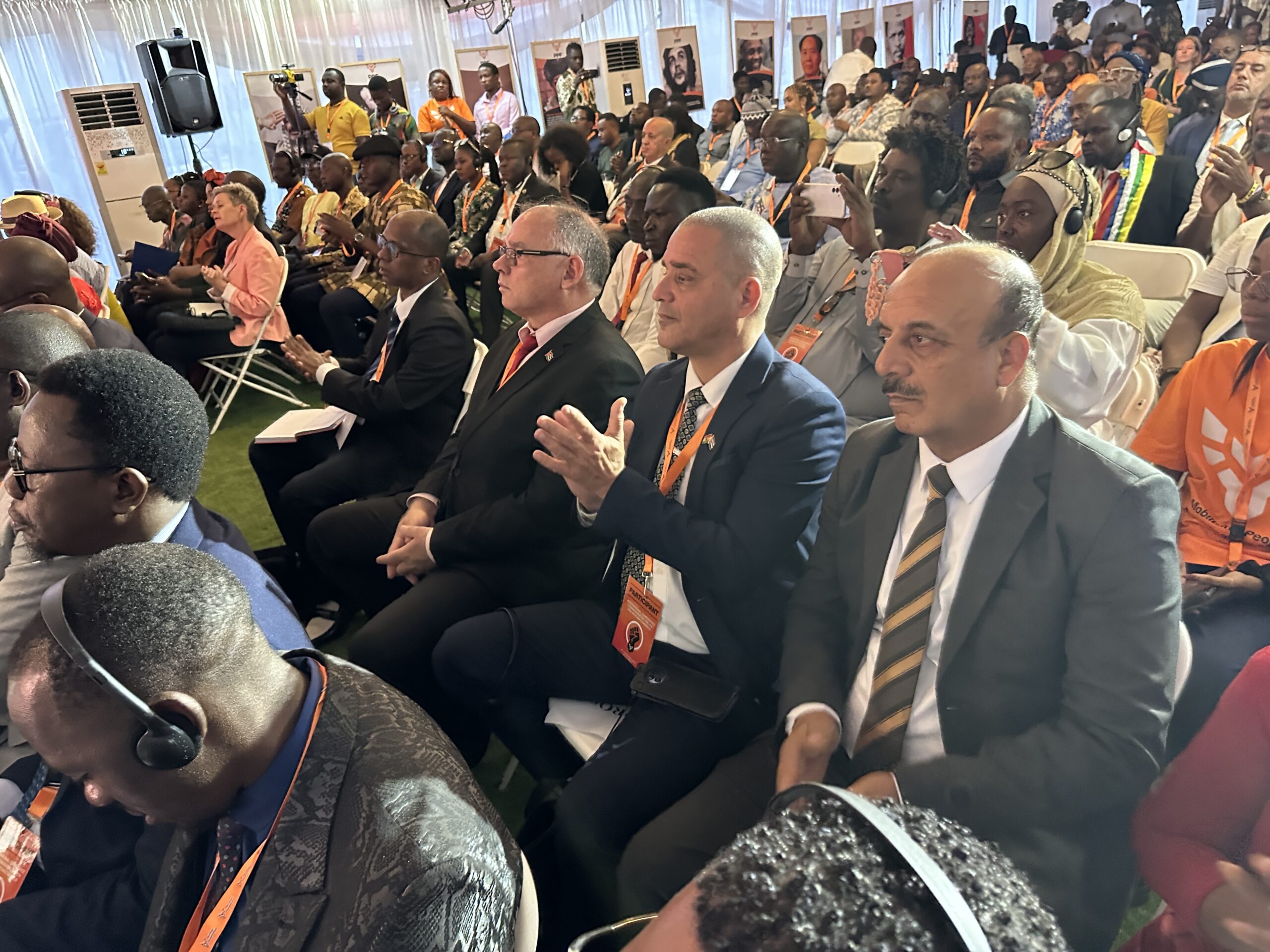
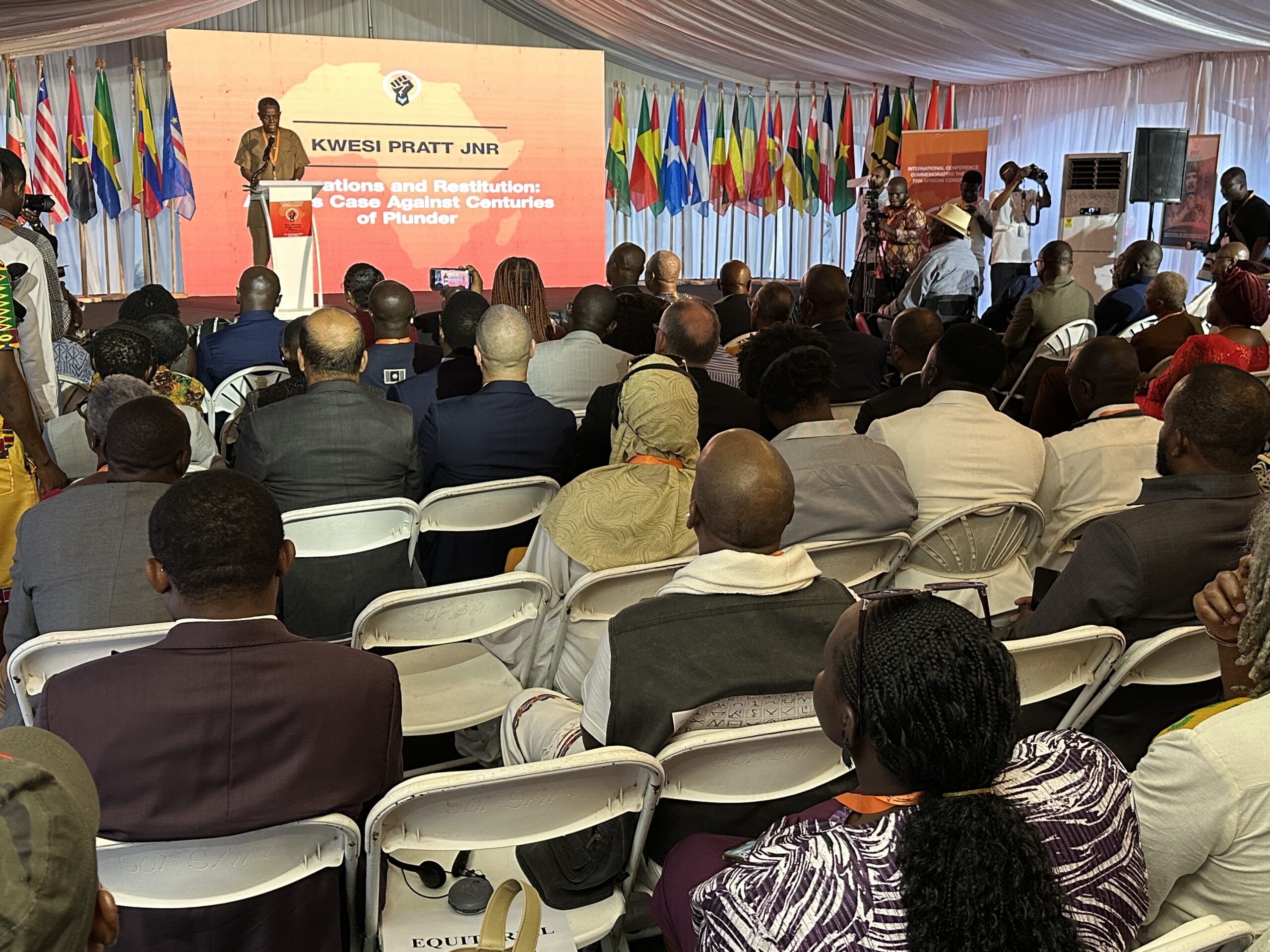
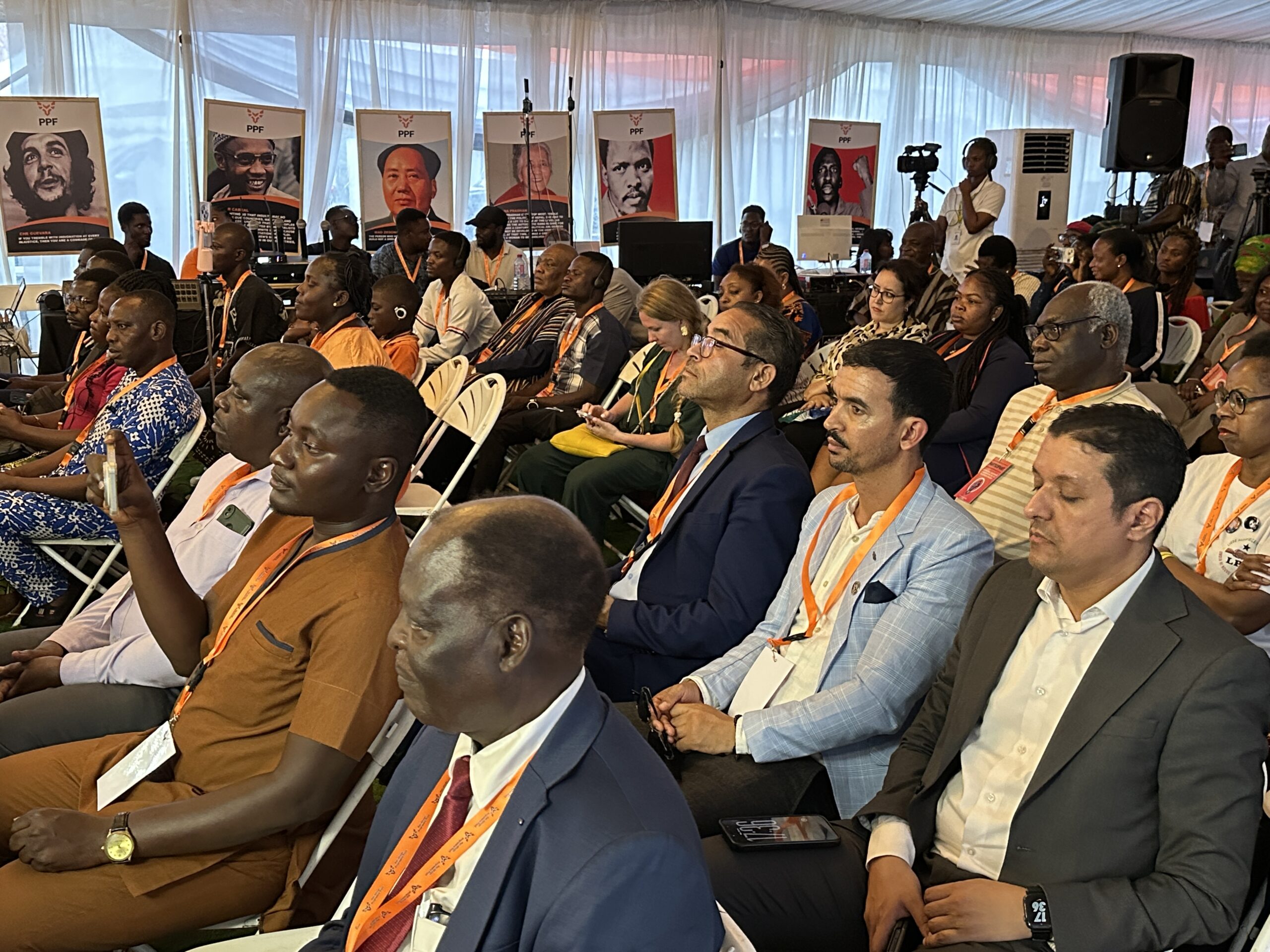
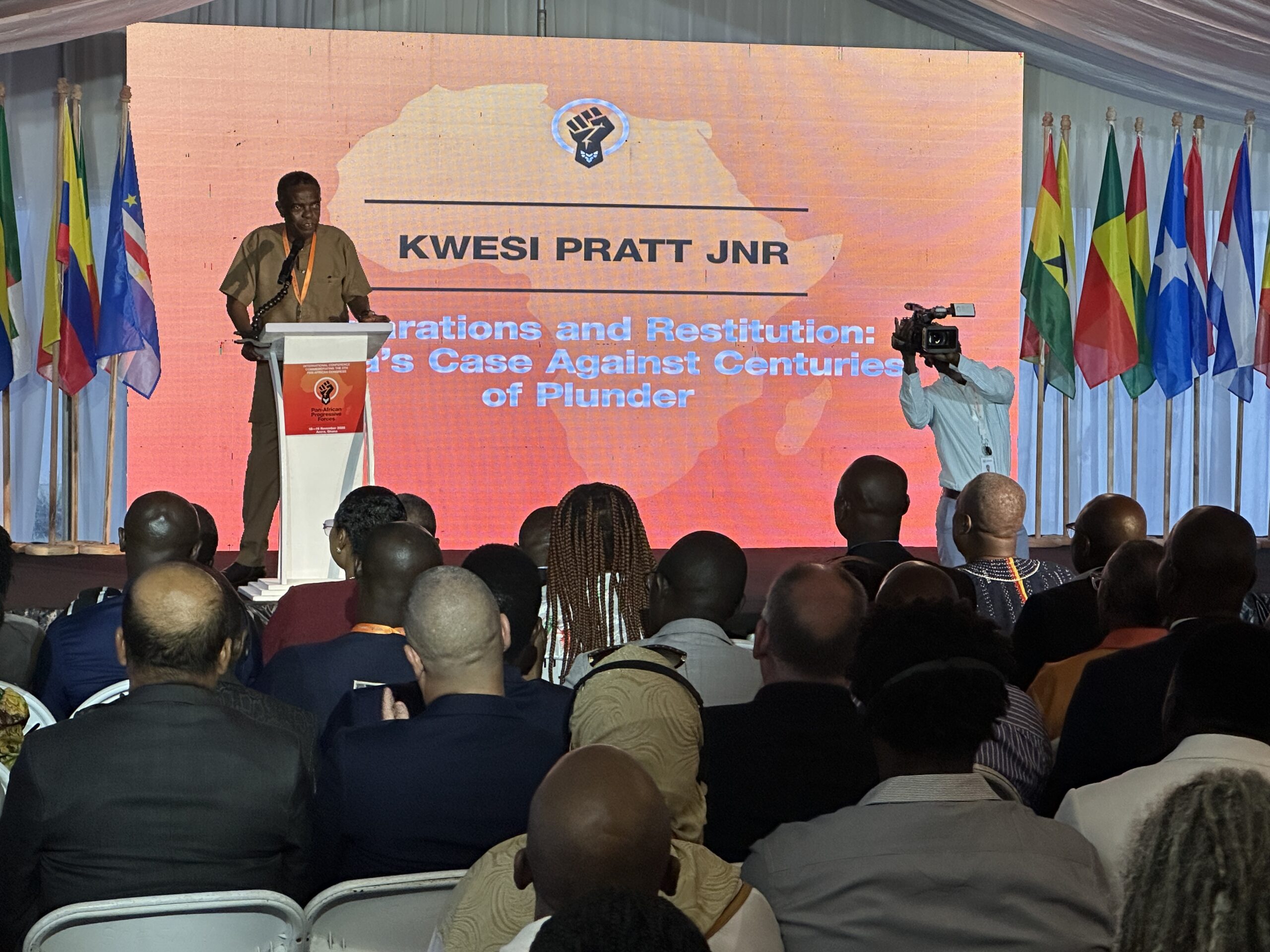
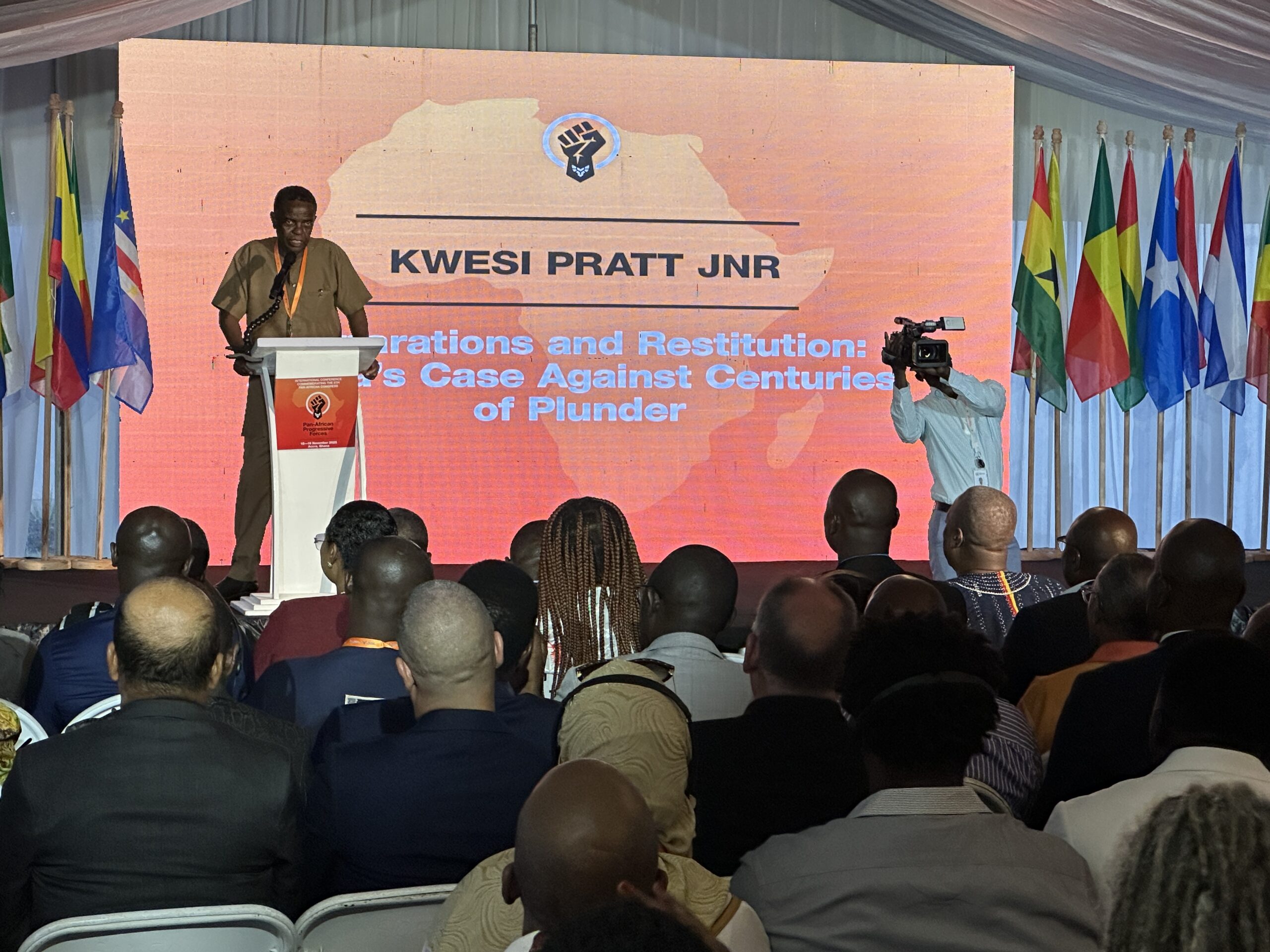
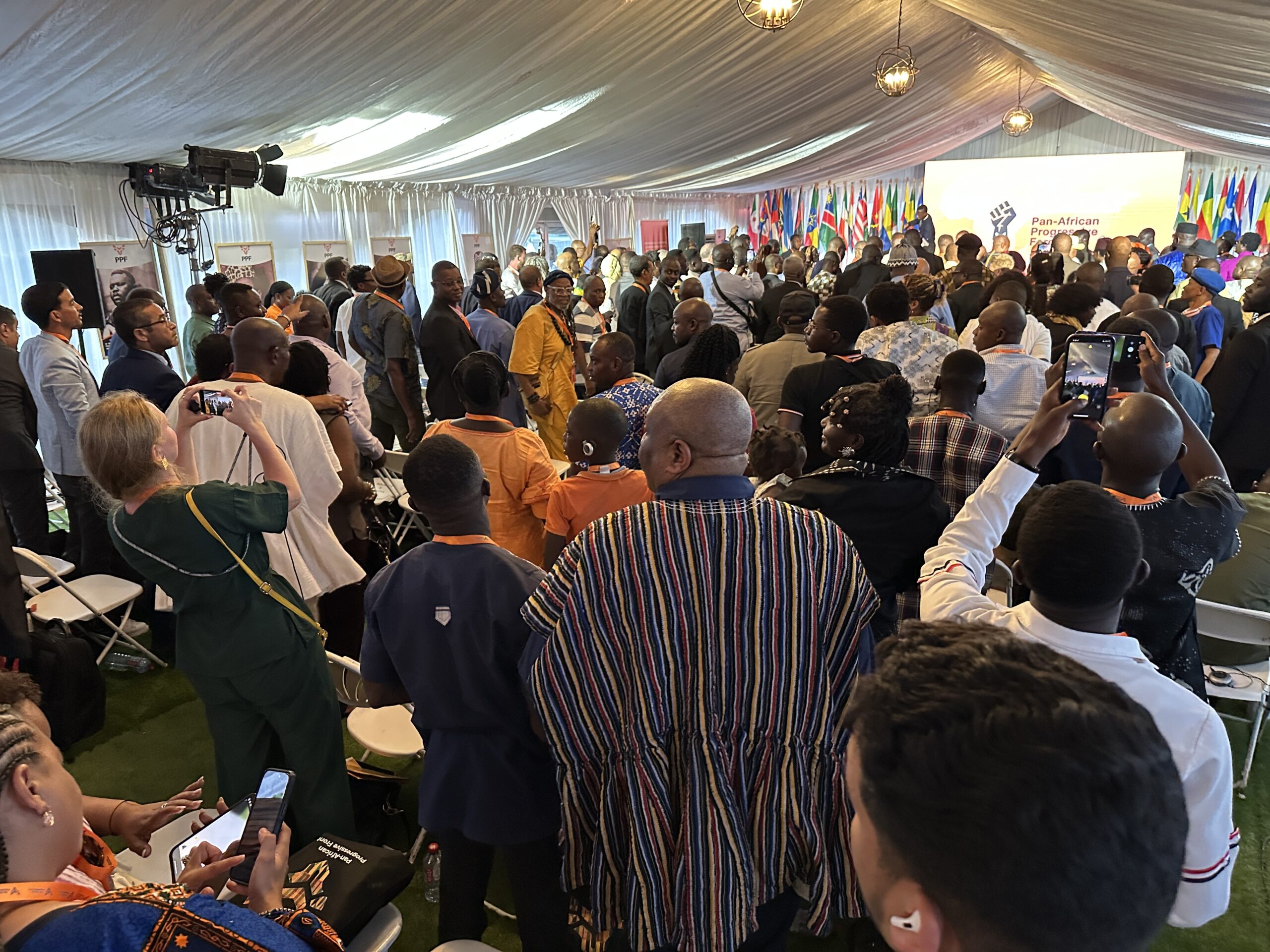
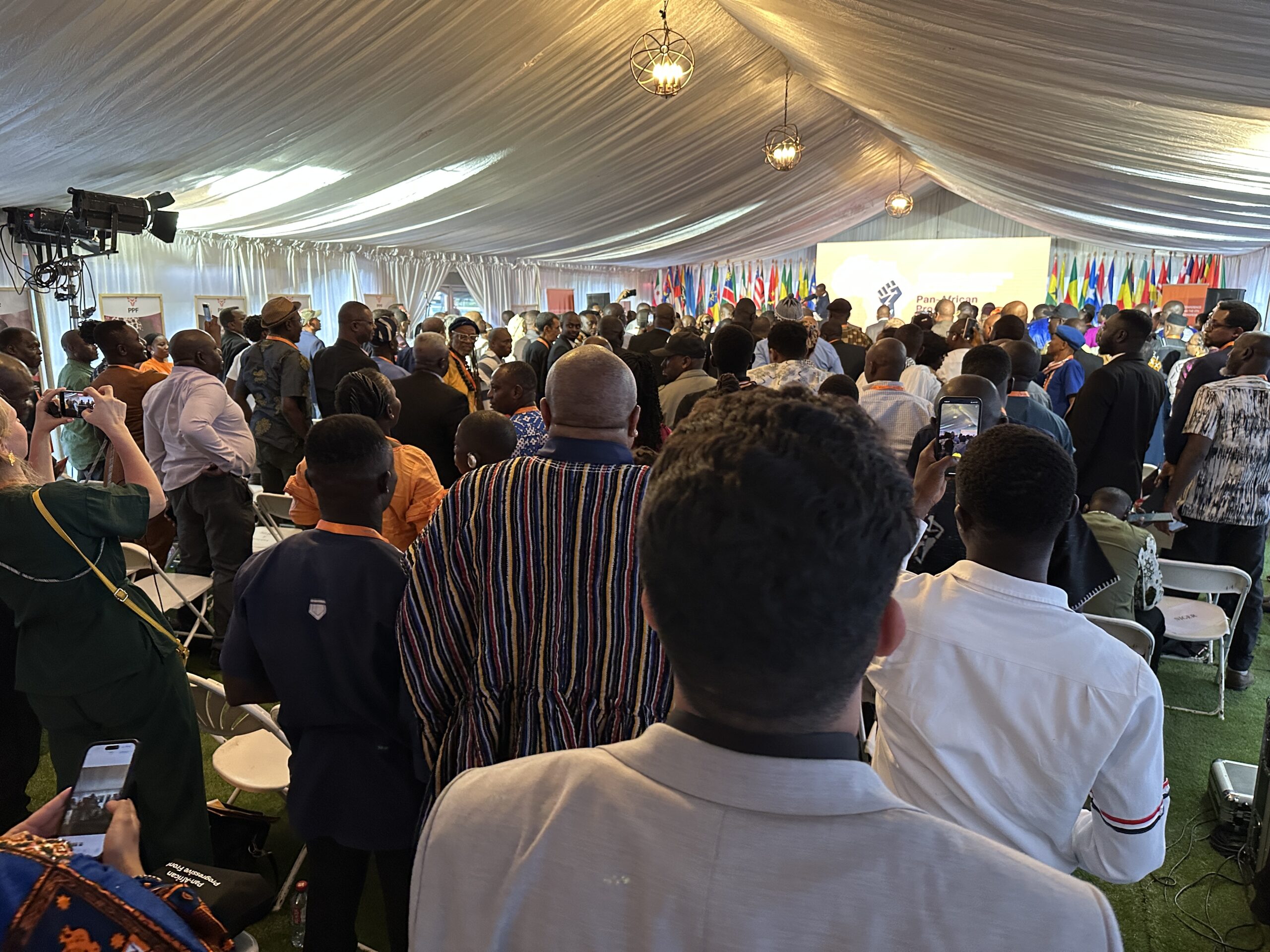
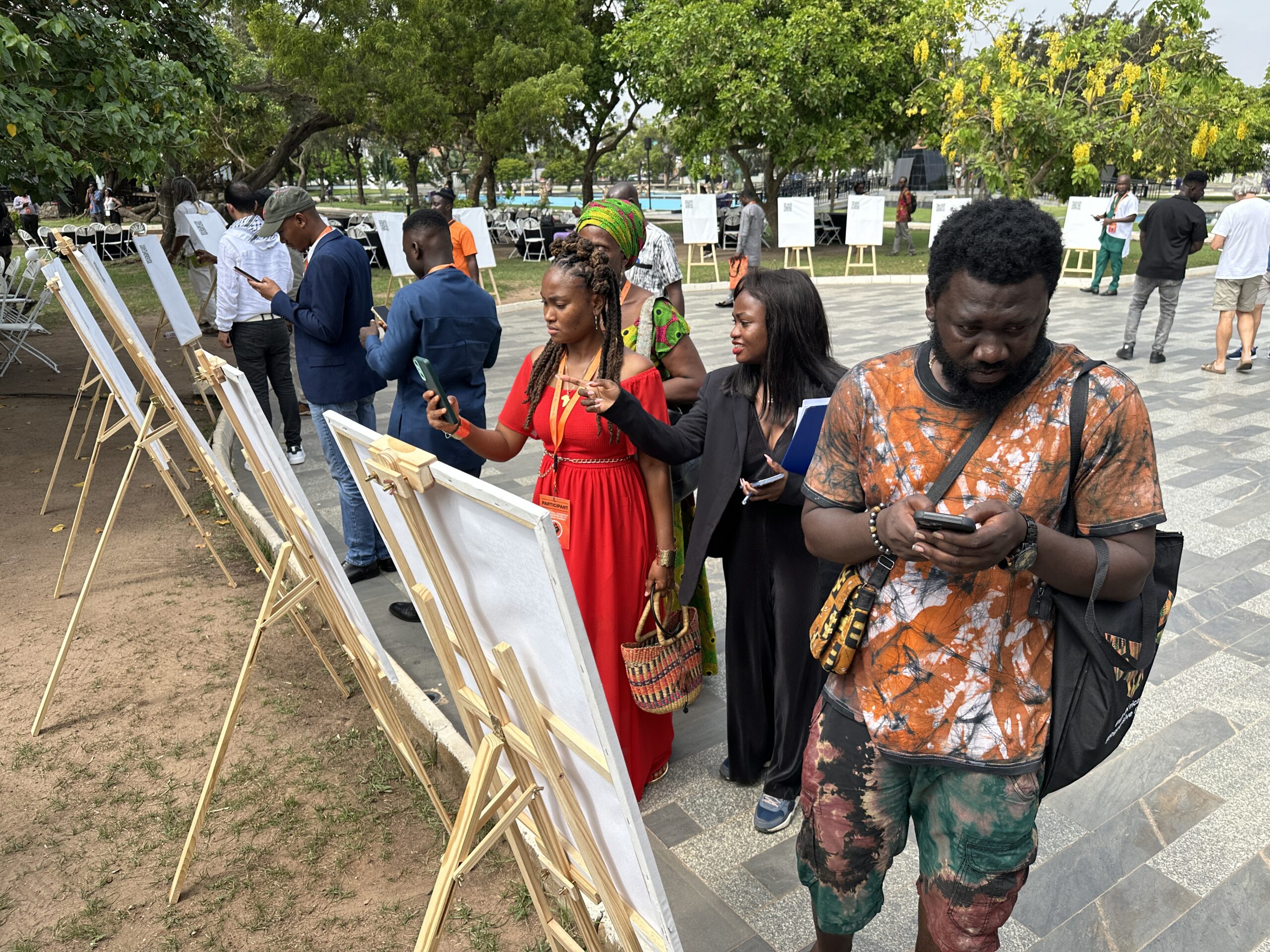
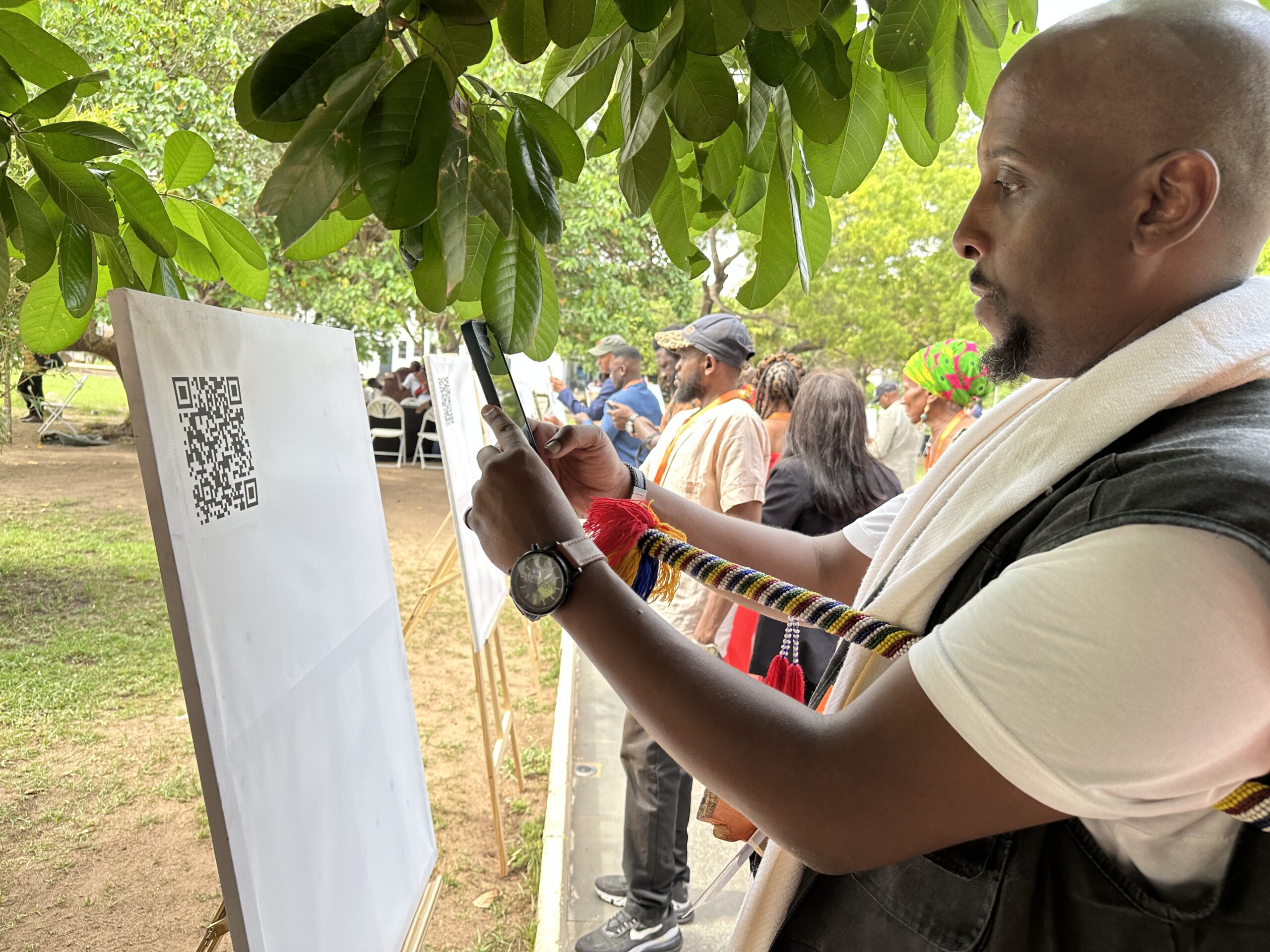
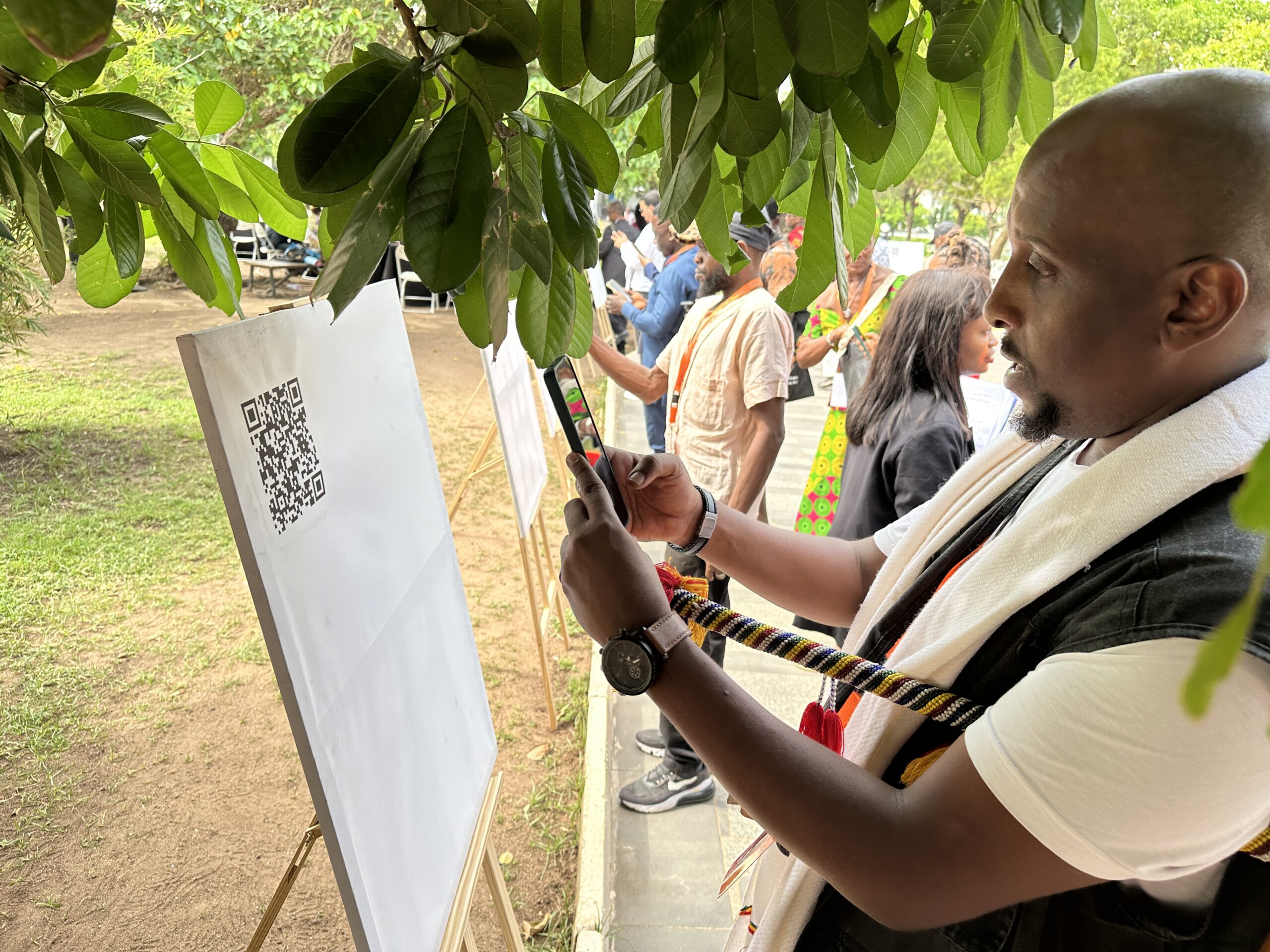
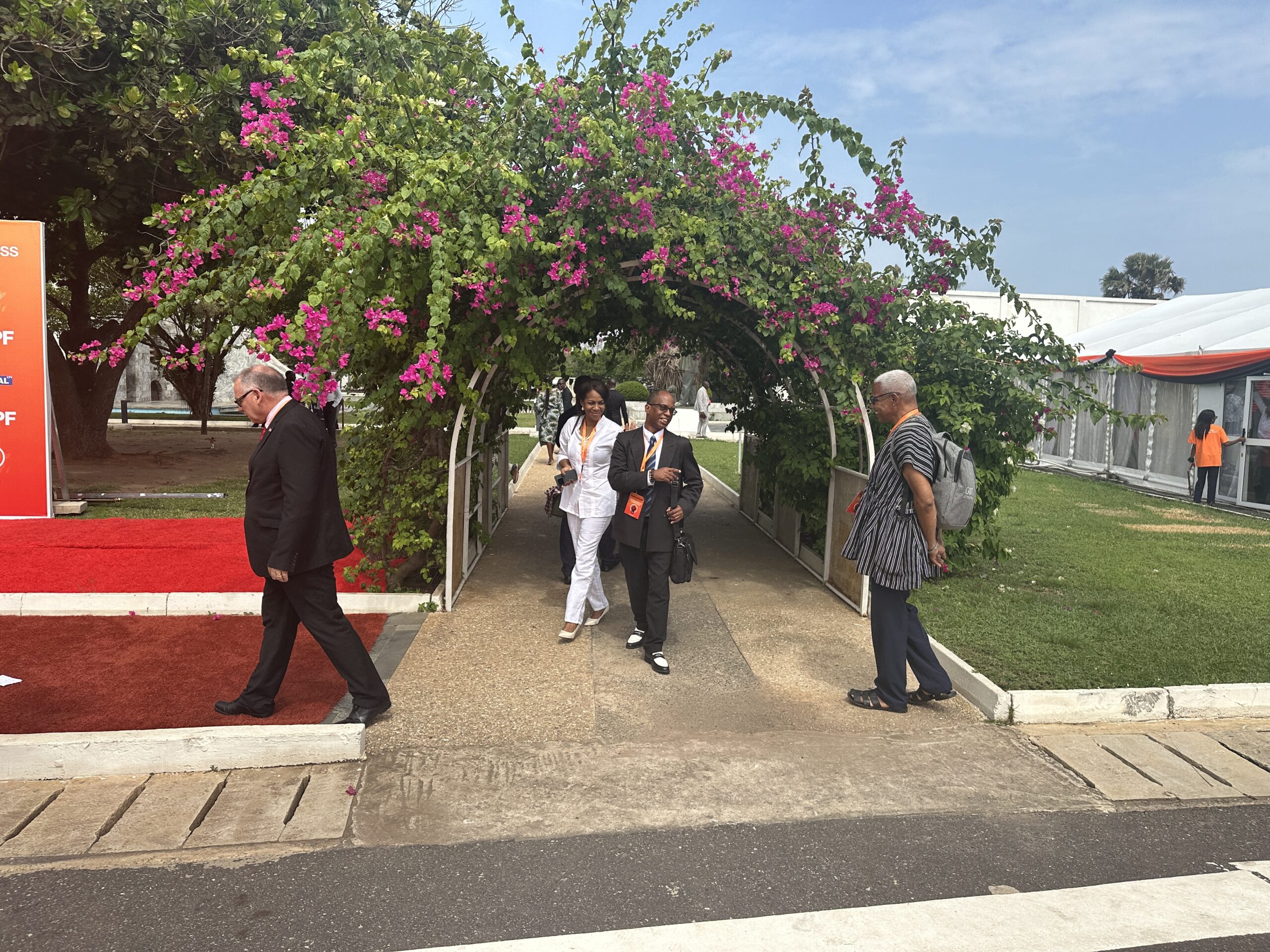
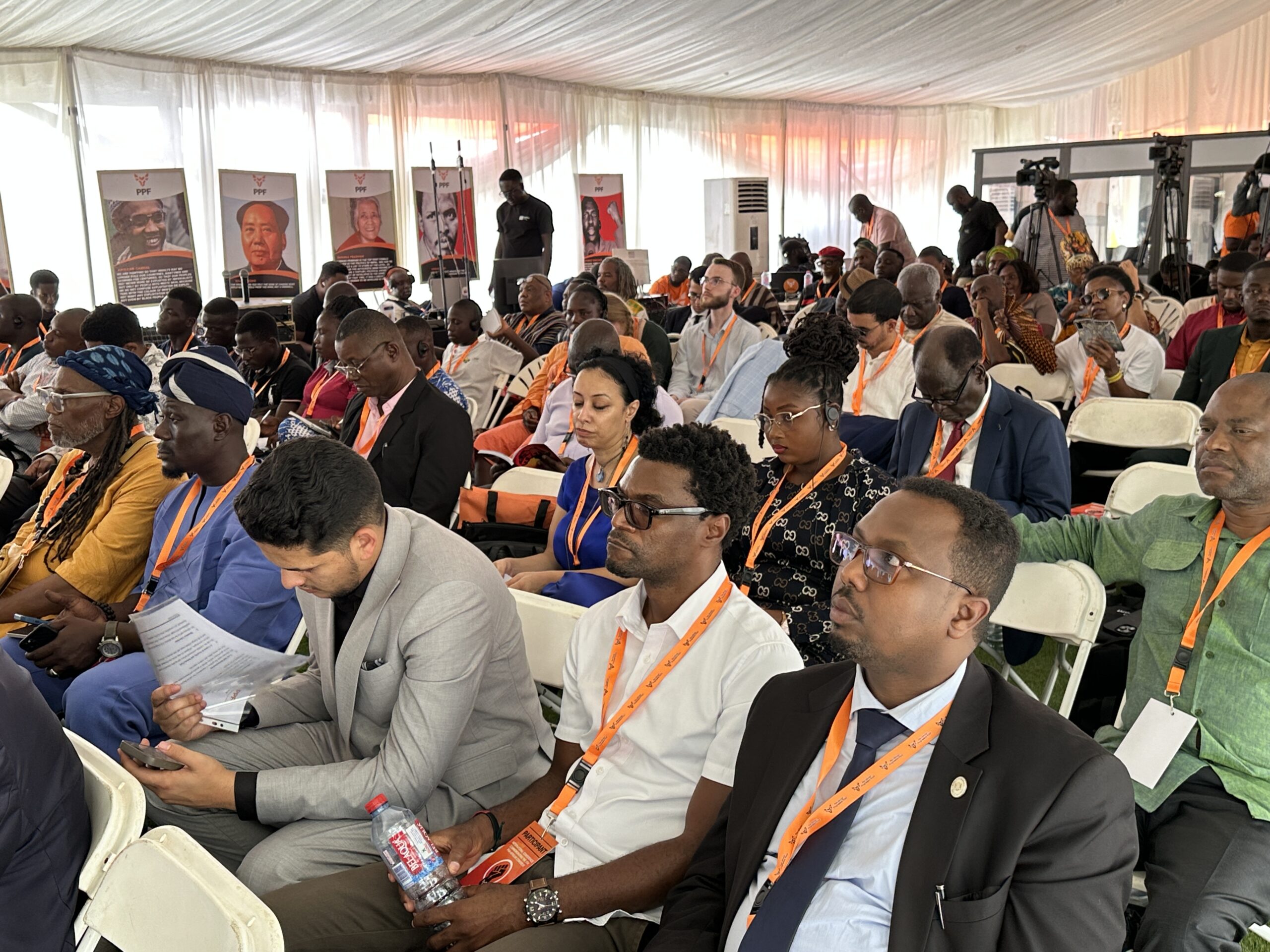
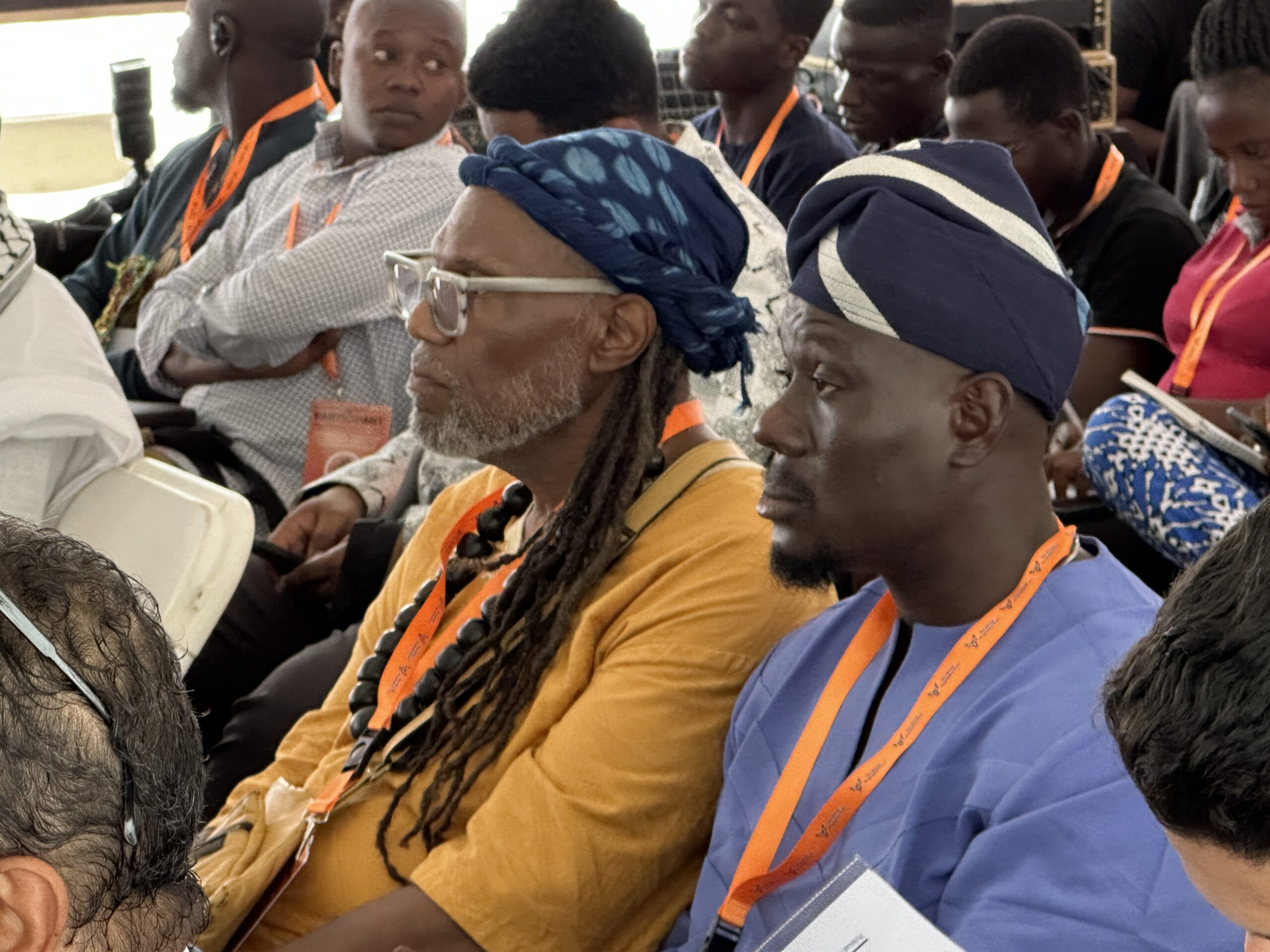
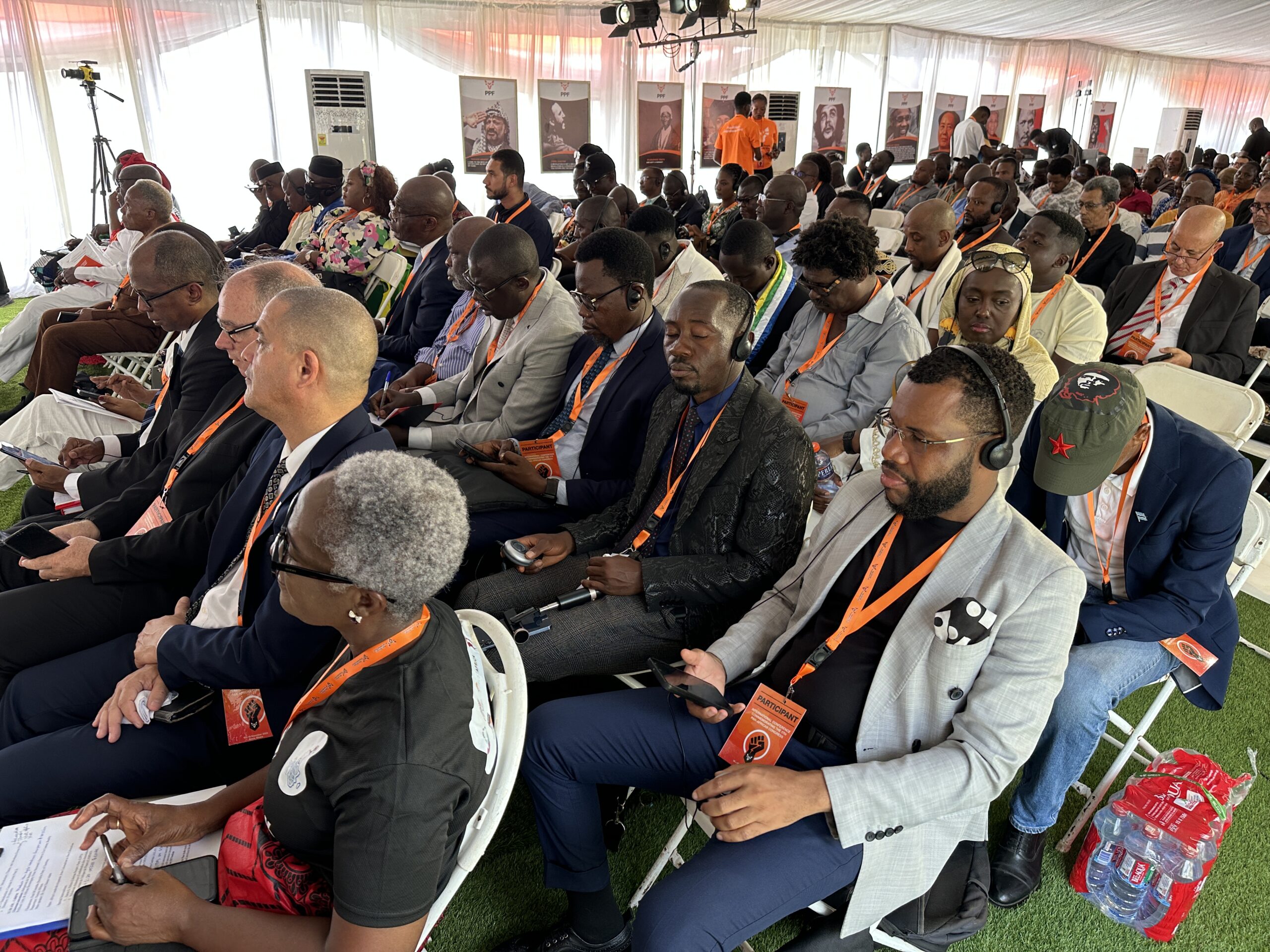
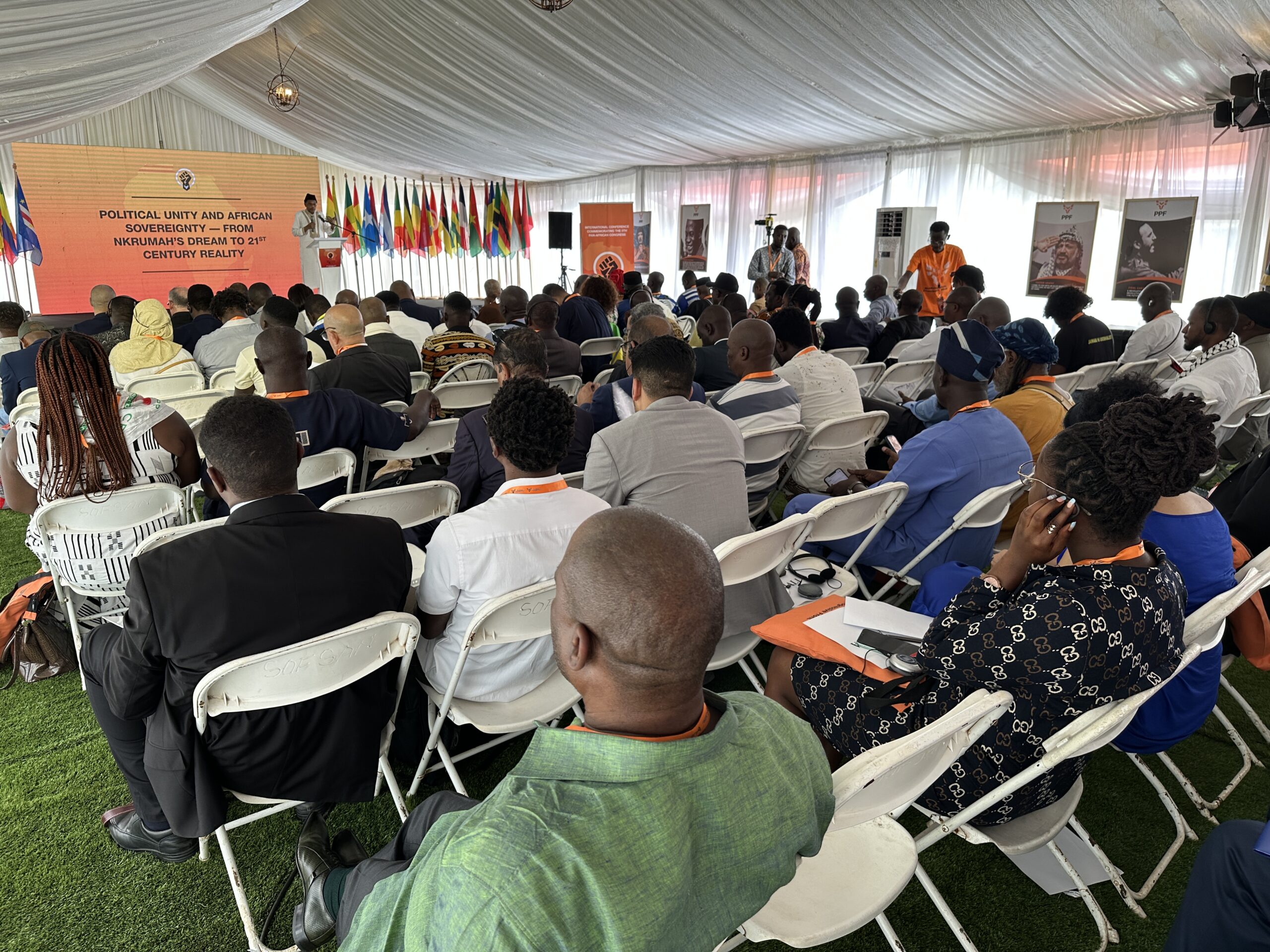
The meeting will convene progressive forces from across the globe, including leaders of political parties, social movements, academia, civil society, and the diaspora.
The conference aims to take stock of contemporary challenges and opportunities and will culminate in the adoption of the “Accra Declaration.” This pivotal document will outline concrete actions on key issues such as African integration, justice, reparations, youth employment, peace and security, intra-African trade, and a mutual economic program. The occasion will be graced by the presence of some heads of state and other distinguished statespersons from Africa and beyond.
For any inquiries, please do not hesitate to contact our Event Coordinator, Maame Abena Asare, at panafricanprogressivefront@gmail.com or +233 541970070 (WhatsApp).
Date
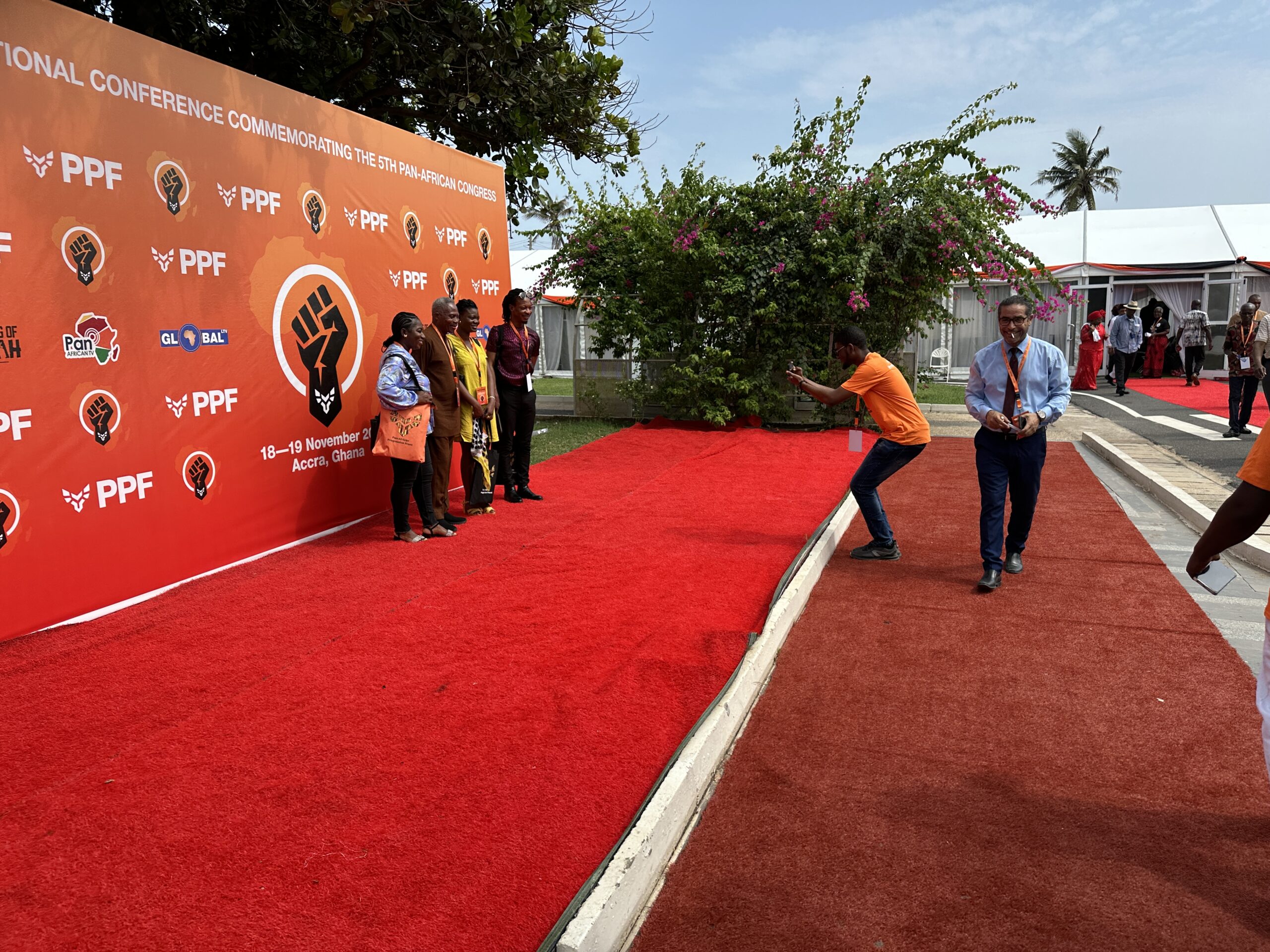
18-19 November 2025
Location
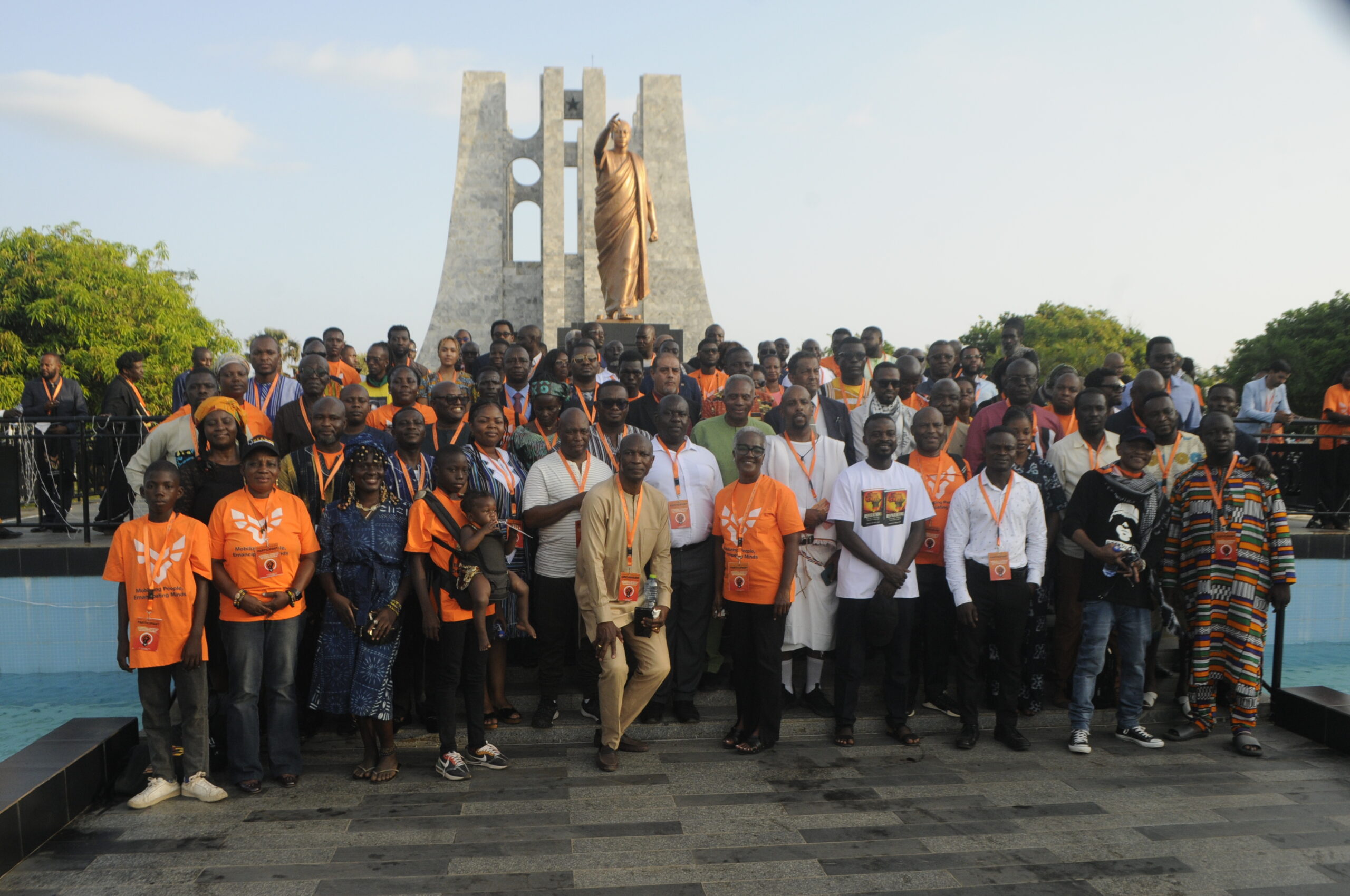
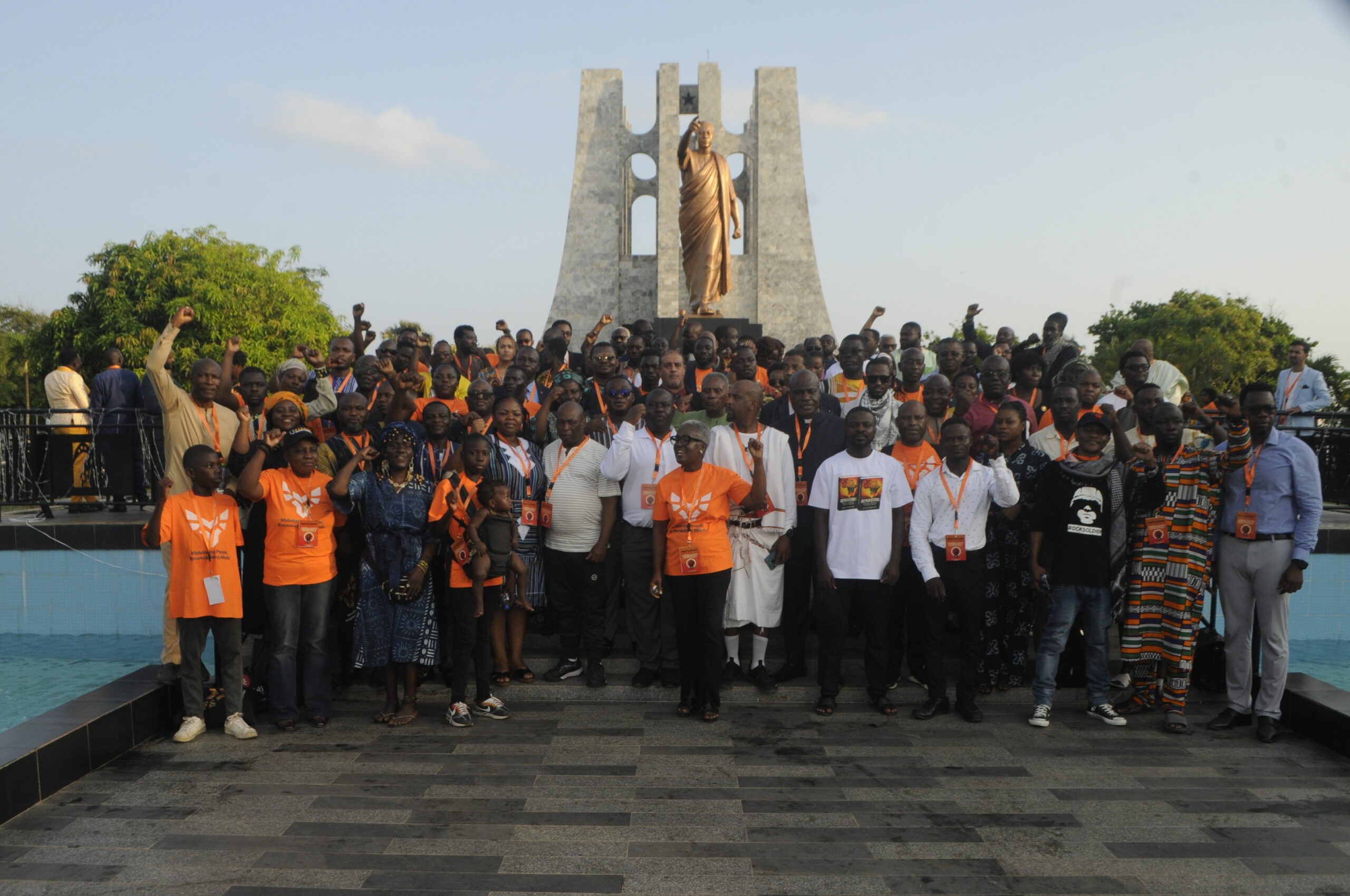
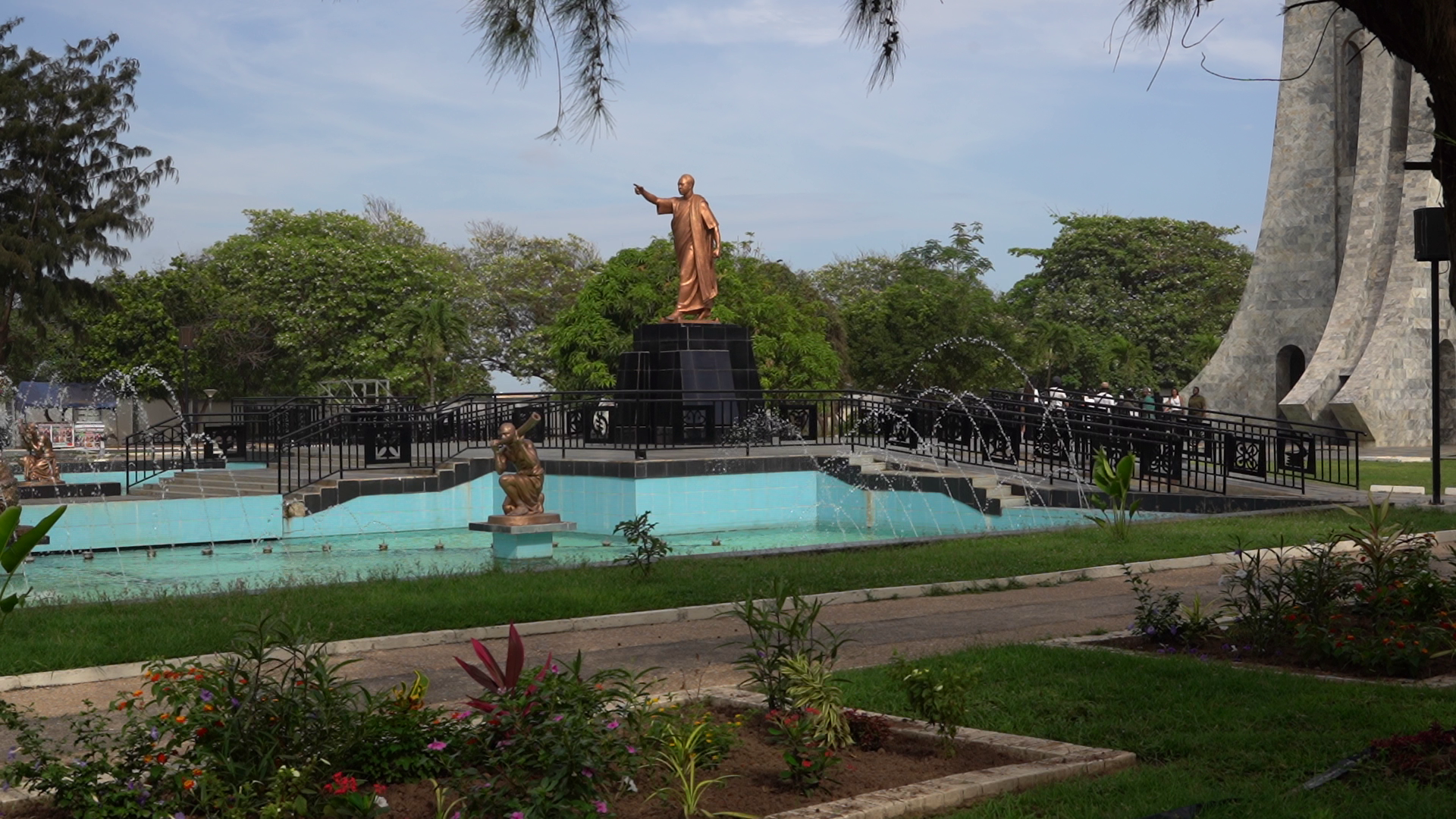
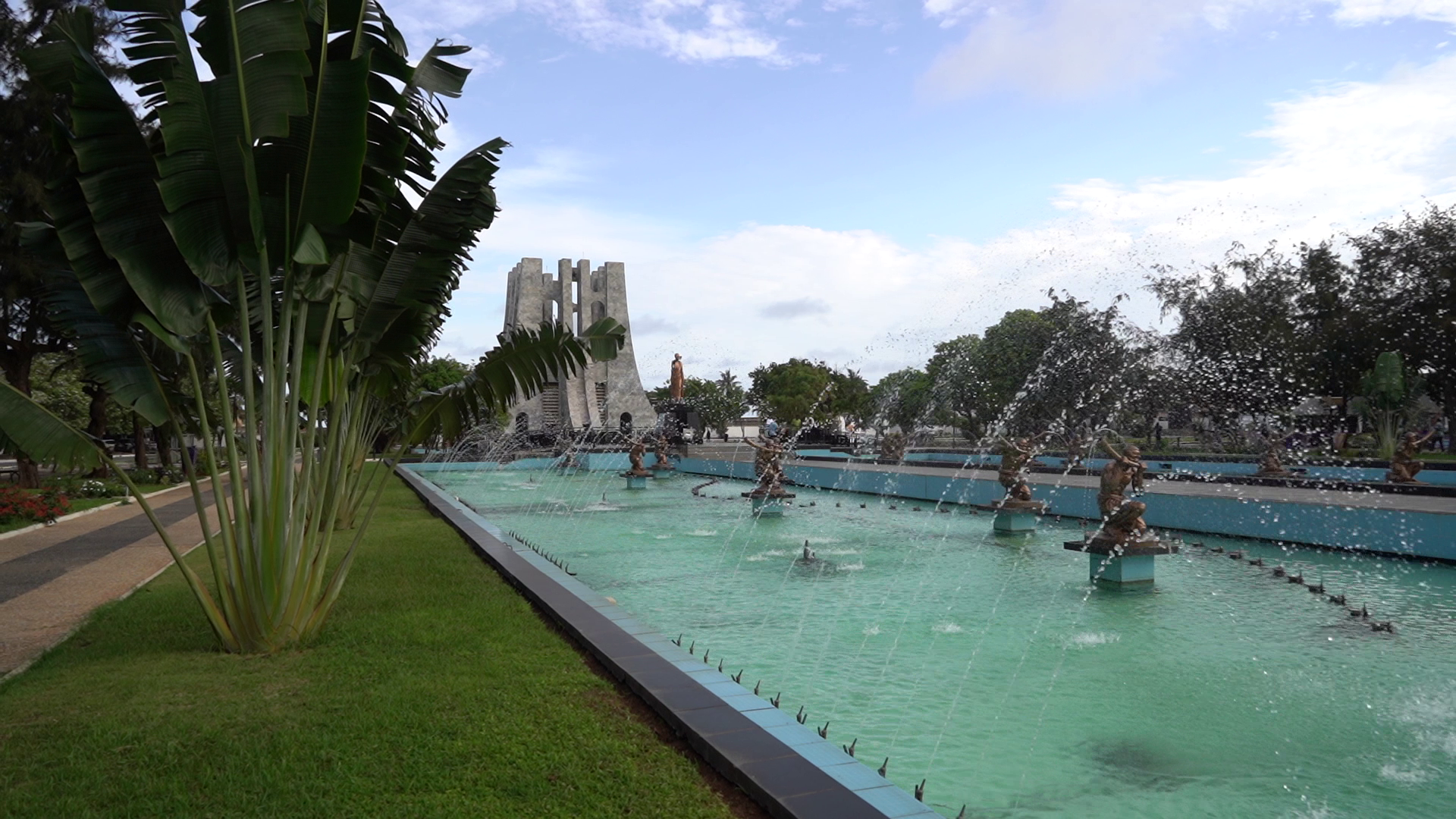
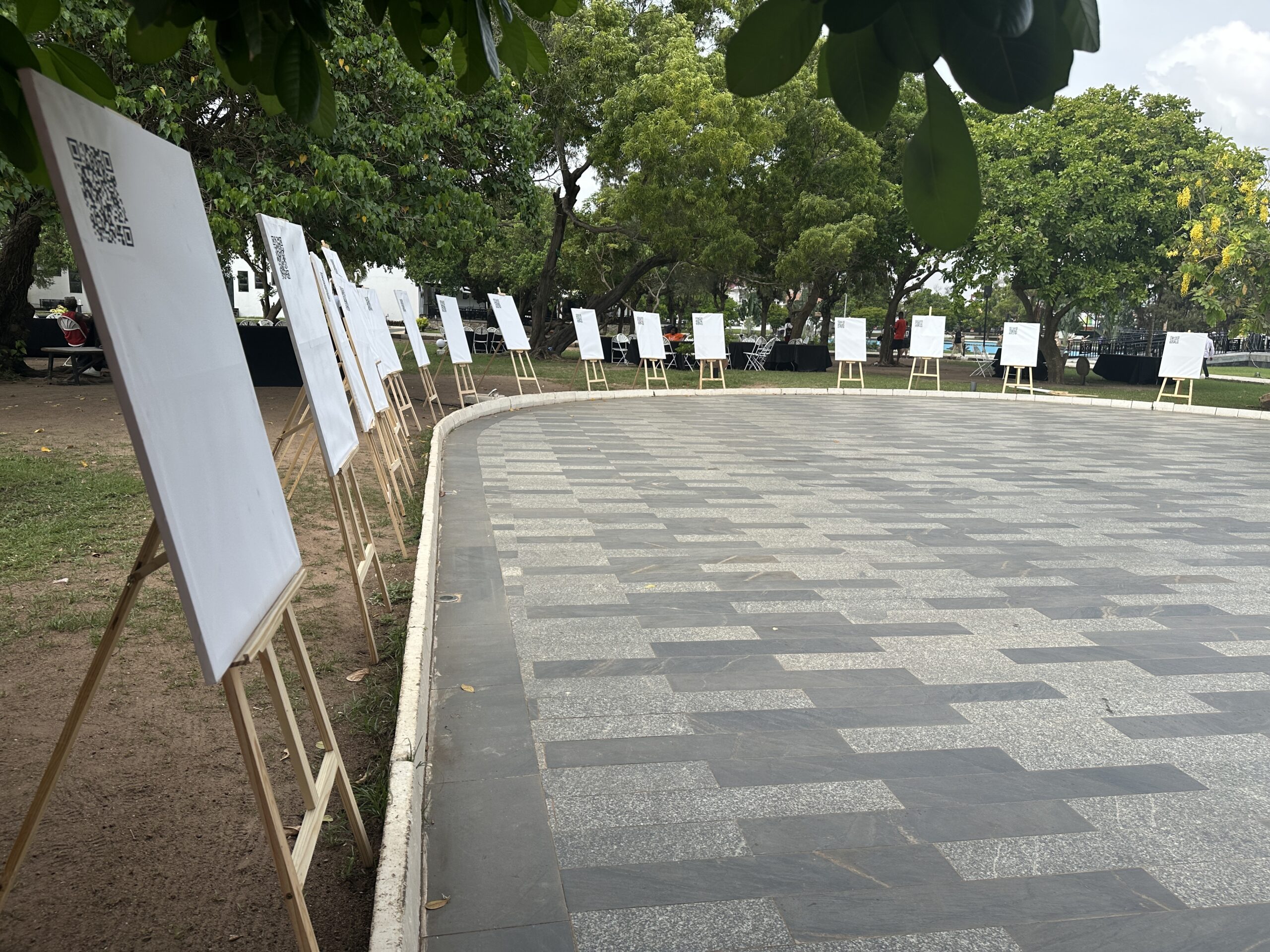
Kwame Nkrumah Mausoleum and Memorial Park, Accra, Ghana
Contact Information
Conference Documents
ARABIC-The-Accra-Declaration.pdf
171 KB
Declaracao-de-Acra.pdf
140 KB
DECLARATION-DACCRA.pdf
158 KB
La-Declaracion-de-Accra.pdf
140 KB
The-Accra-Declaration.pdf
256 KB
ARABIC-Special-Accra-Declaration-on-Reparatory-Justice.pdf
155 KB
Declaracao-Especial-de-Acra-sobre-Justica-Reparadora-.pdf
122 KB
Declaracion-especial-de-Accra-sobre-la-justicia-reparadora.pdf
122 KB
Declaration-Speciale-DAccra-Sur-La-Justice-Reparatrice.pdf
159 KB
Special-Accra-Declaration-on-Reparatory-Justice.pdf
170 KB
Economic-Program-of-the-Pan-African-Progressive-Forces.pdf
407 KB
NEW-AFRICAN-ECONOMIC-MODEL-THE-AFRICAN-MANIFESTO.pdf
1 MB
NEW-AFRICAN-POLITICAL-MODEL-THE-AFRICAN-MANIFESTO.pdf
750 KB
New-Political-Model-for-Africa.pdf
128 KB
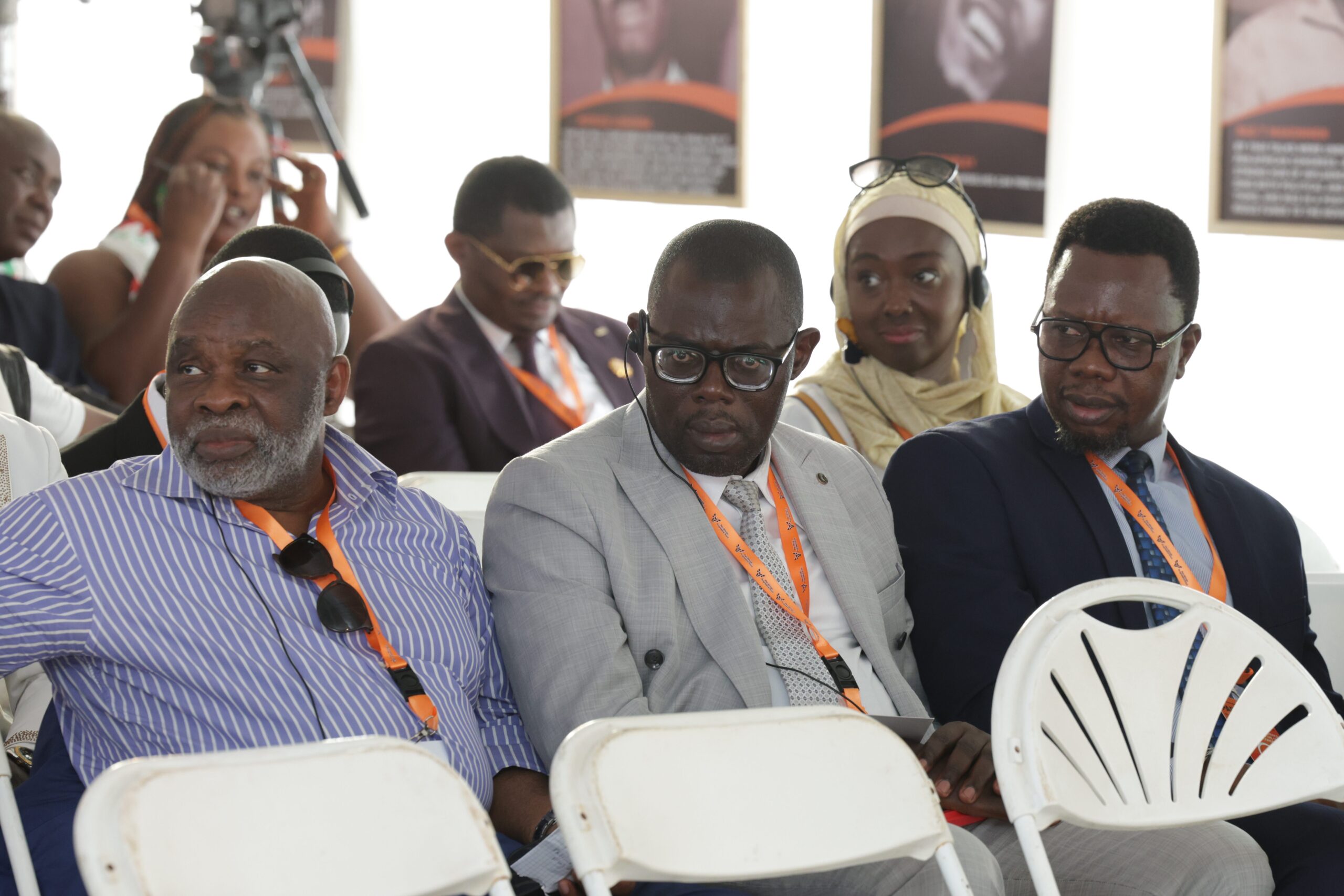
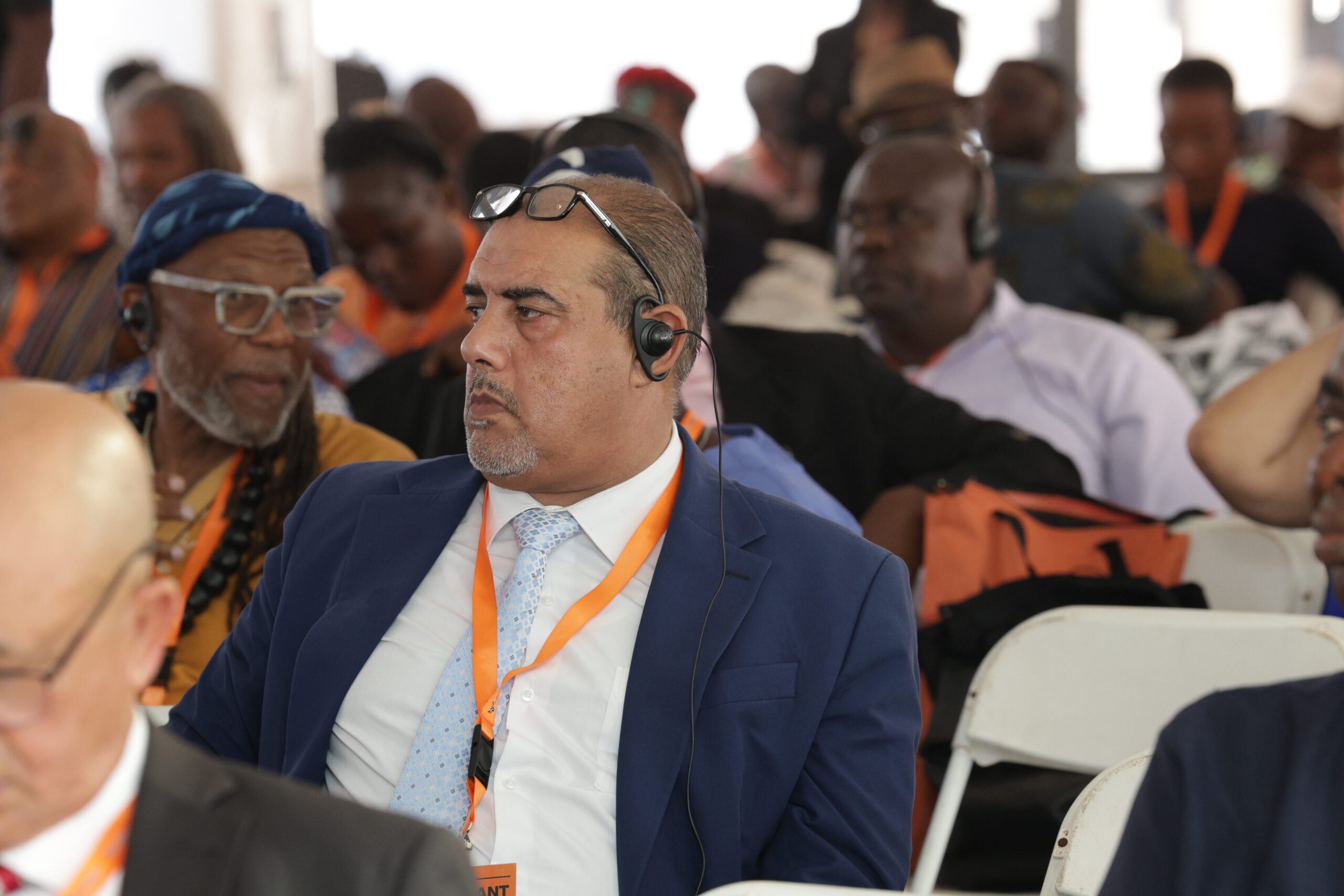
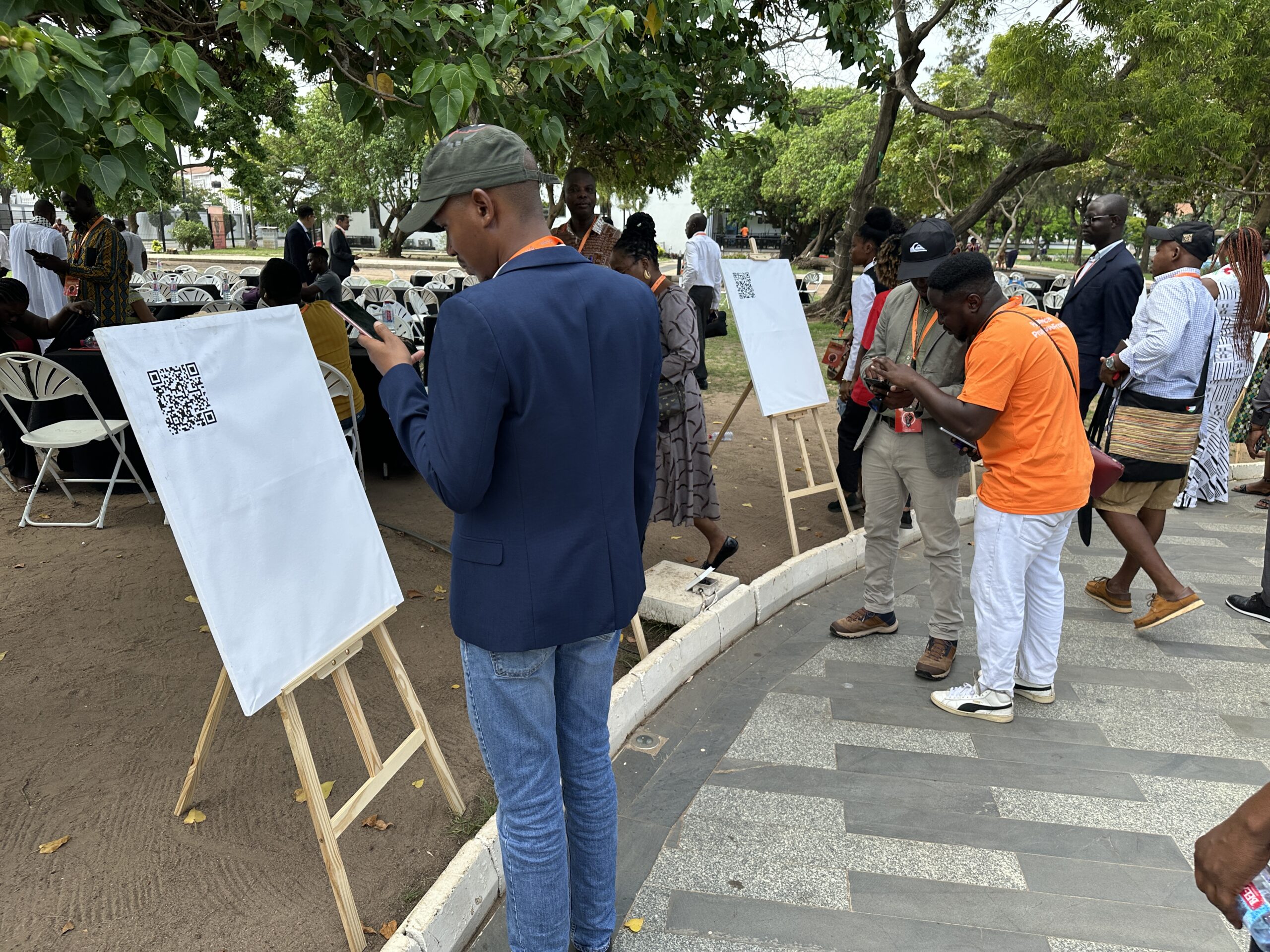
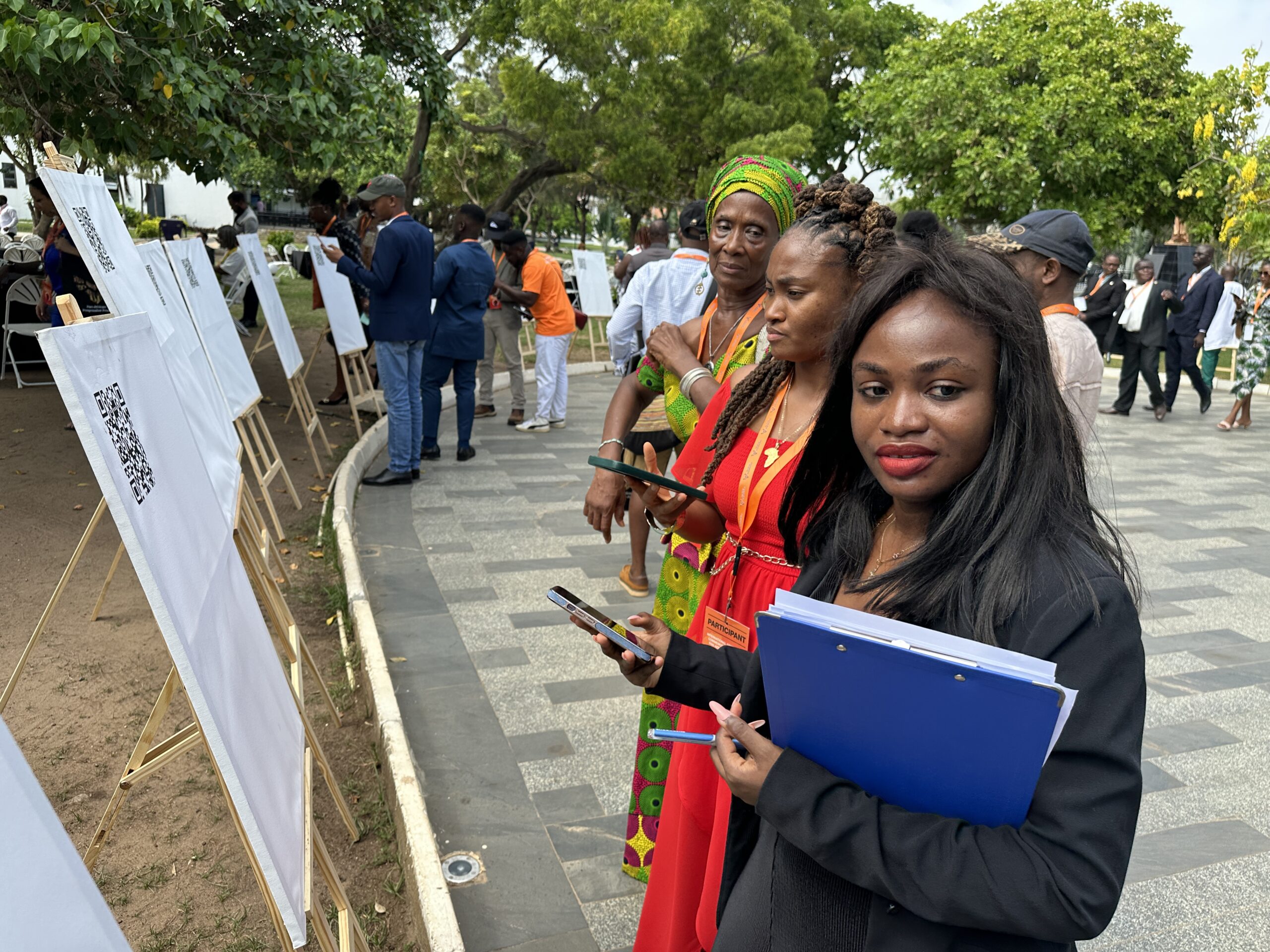
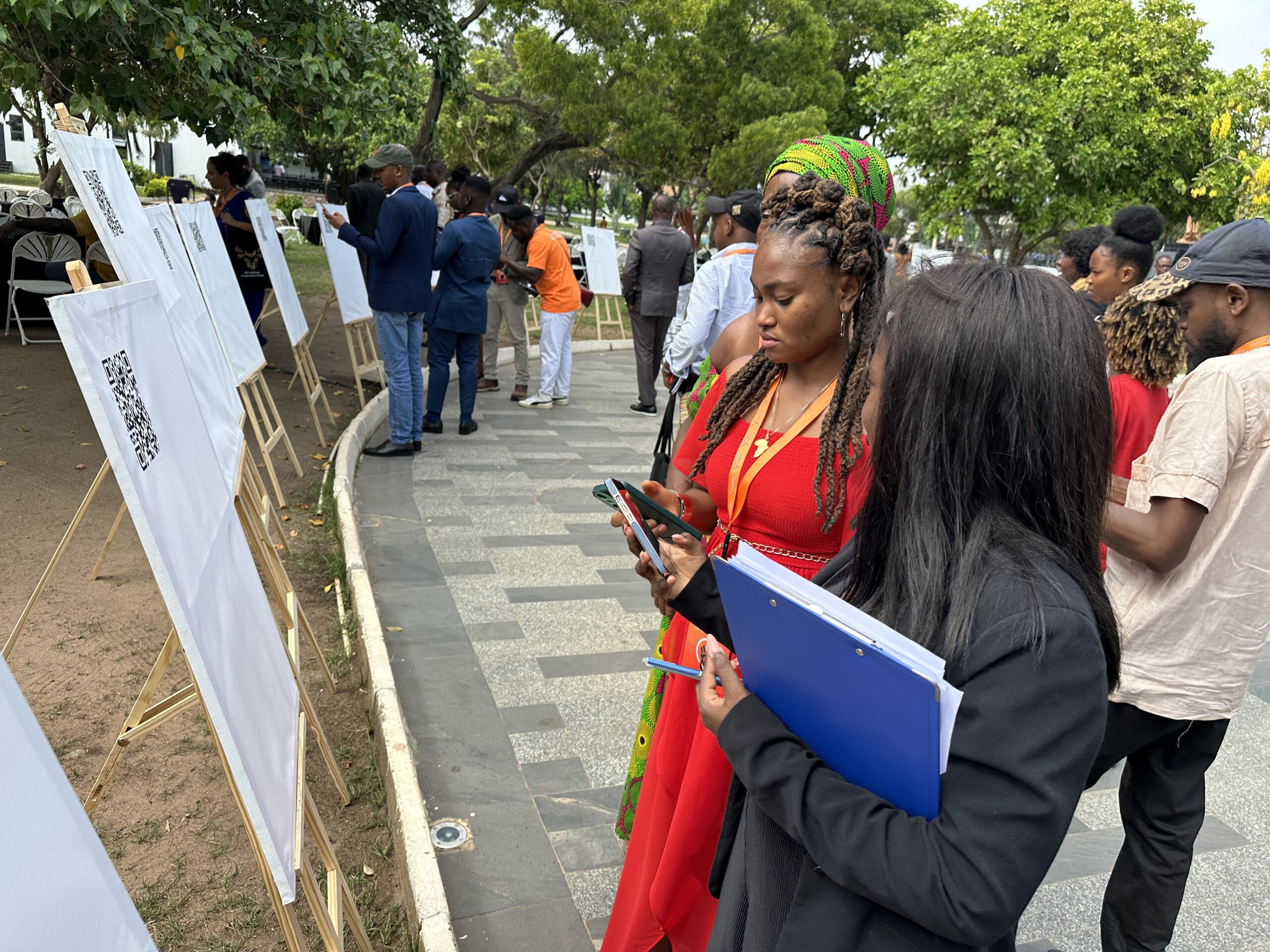
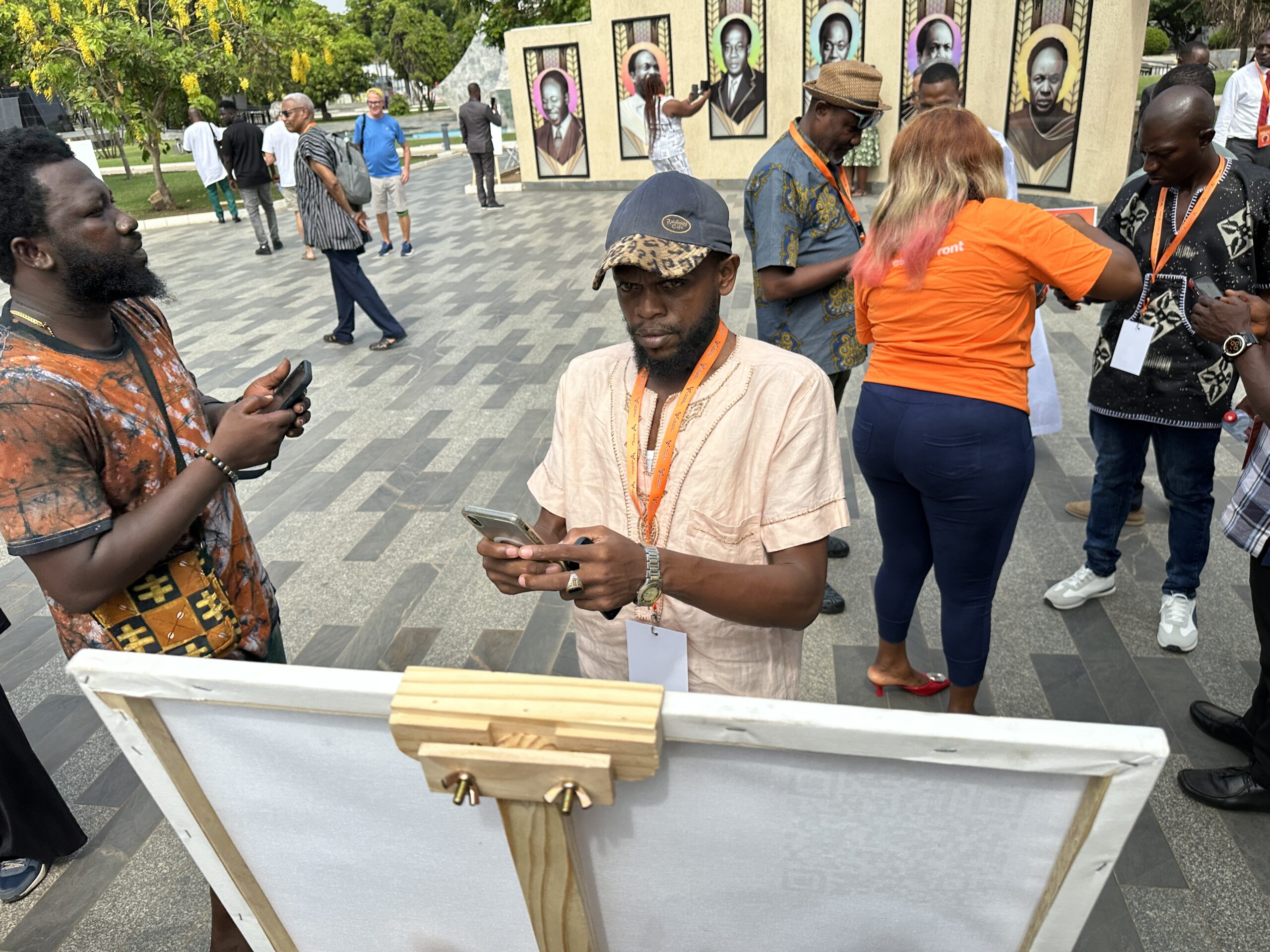
Photo Gallery