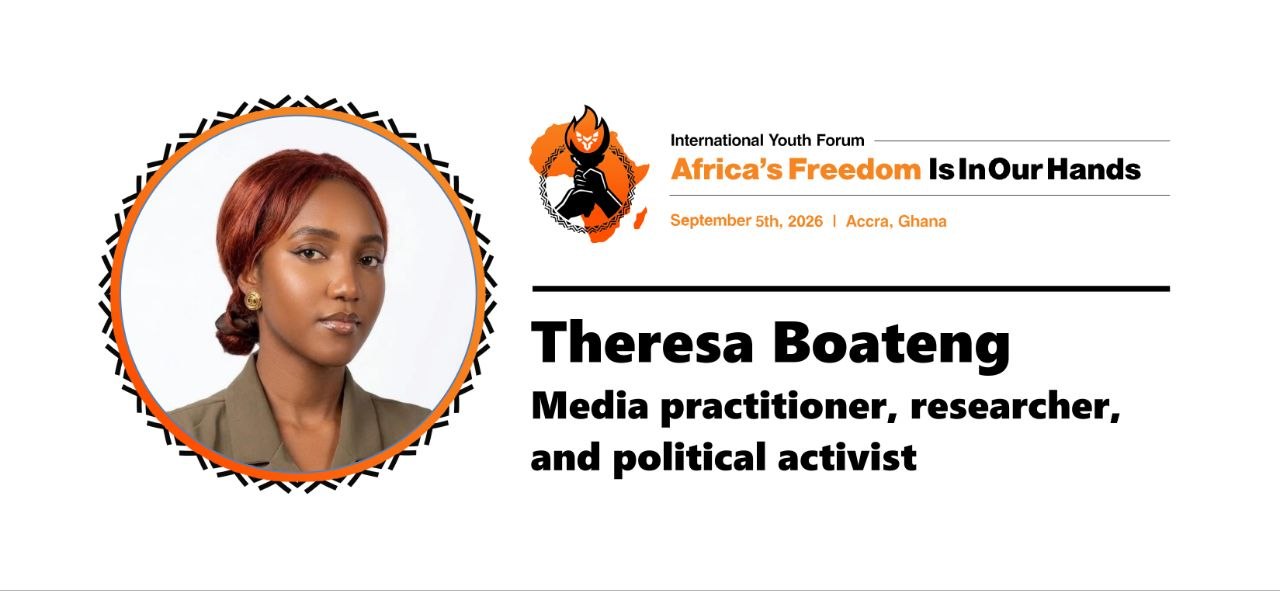
African youth must become the intellectual and political engine of the global reparations movement by studying their history, organizing their communities and taking collective action against the enduring legacies of slavery and colonialism, Comrade Theresa Boateng has said.
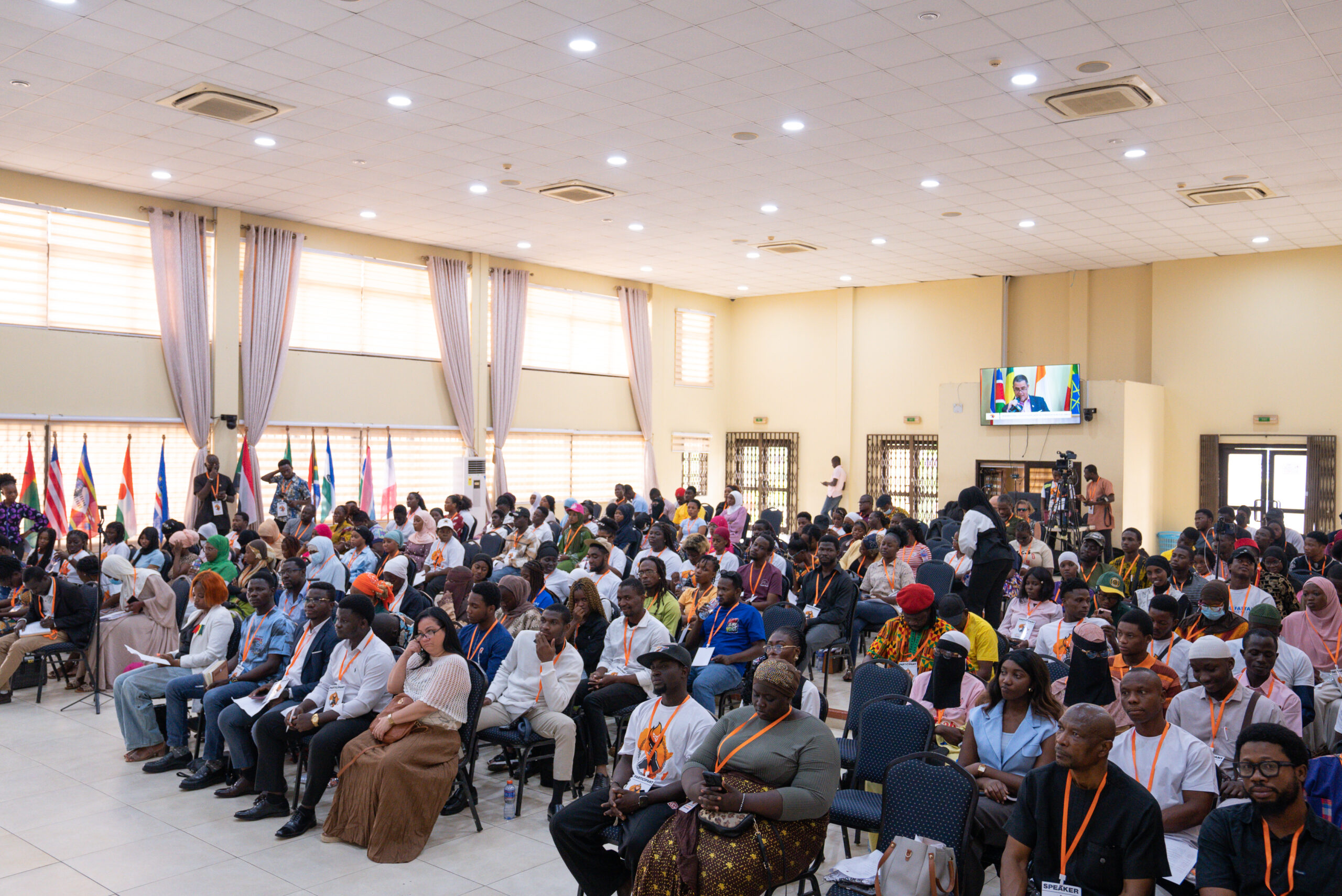
Speaking during the opening session of the Pan-African Progressive Front (PPF) International Youth Forum on Debt and Reparations at the ISSER Conference Hall of the University of Ghana, Boateng delivered a keynote address on “The Role of Youth in Reparations: What Can Youth Do?”
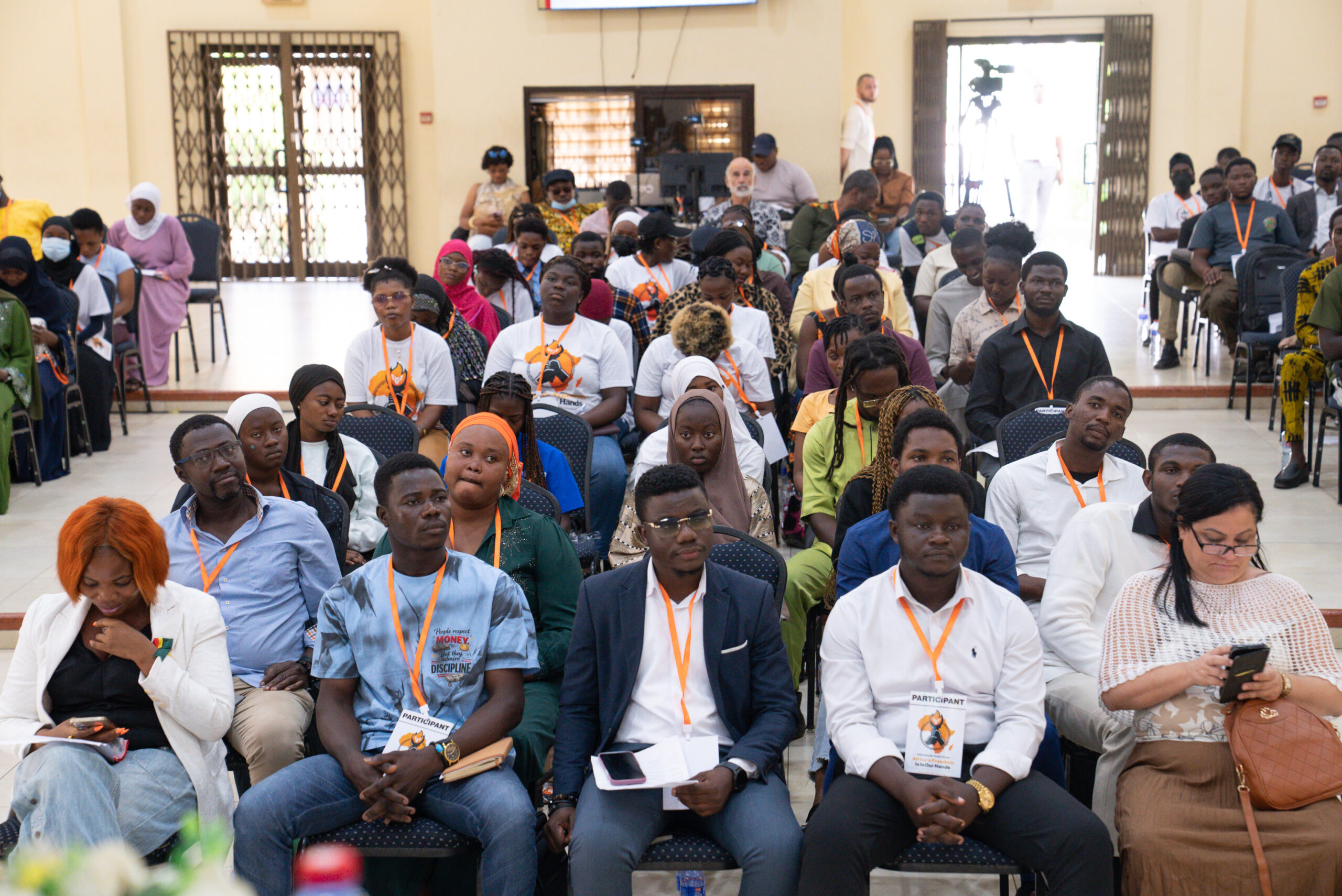
Miss Boateng, a leading member of the Socialist Movement of Ghana (SMG), is a producer at Pan African Television and a Fellow of the Accra Centre for Applied Research. Addressing hundreds of students, youth leaders and Pan-African activists, she argued that the future of the reparations struggle depends on the active participation of Africa’s young people.
“We cannot make a huge impact on the reparations agenda if we do not engage the youth,” she said, noting that young people constitute more than 60 percent of Africa’s population.
Reparations and the reality of young Africans
She urged participants to see reparations not as a distant historical debate but as a struggle directly connected to their everyday lives. She maintained that unemployment, poverty, unequal access to healthcare and widening inequality are rooted in the material history of slavery, colonialism and neo-colonial exploitation.
“The youth not getting employment after school is not about luck,” she said. “It is a deliberately built system that deprives us of our dignity as people.”
She argued that understanding this historical connection would inspire a new generation to see reparatory justice as a movement to transform unjust global structures rather than an appeal for charity.
Three pillars for youth action
She outlined a practical framework for youth participation built on three pillars: study, mobilise and act.
Under the first pillar, she called on young Africans to reclaim their history through political education and critical reading. She recommended works including Reparations by Kwesi Pratt Jnr, How Europe Underdeveloped Africa by Walter Rodney and Dark Days in Ghana, while encouraging young people to join progressive institutions committed to political education.
The second pillar focused on organisation, stressing that knowledge must be transformed into collective mobilisation through student movements, community organisations and Pan-African networks.
Her final pillar challenged participants to take action by organising forums, producing research, writing articles and contributing to public discussions that advance the cause of reparatory justice across the continent.
A generation at the centre of justice
Miss Boateng concluded with a call for African youth to embrace leadership in the global campaign for historical accountability.
“Reparations is not charity,” she declared. “It is justice, and the youth must be at the centre of demanding it.”
Her address set the tone for the International Youth Forum, which examined the links between Africa’s debt crisis, neo-colonial economic structures and the growing movement for reparatory justice led by a new generation of Pan-African youth.