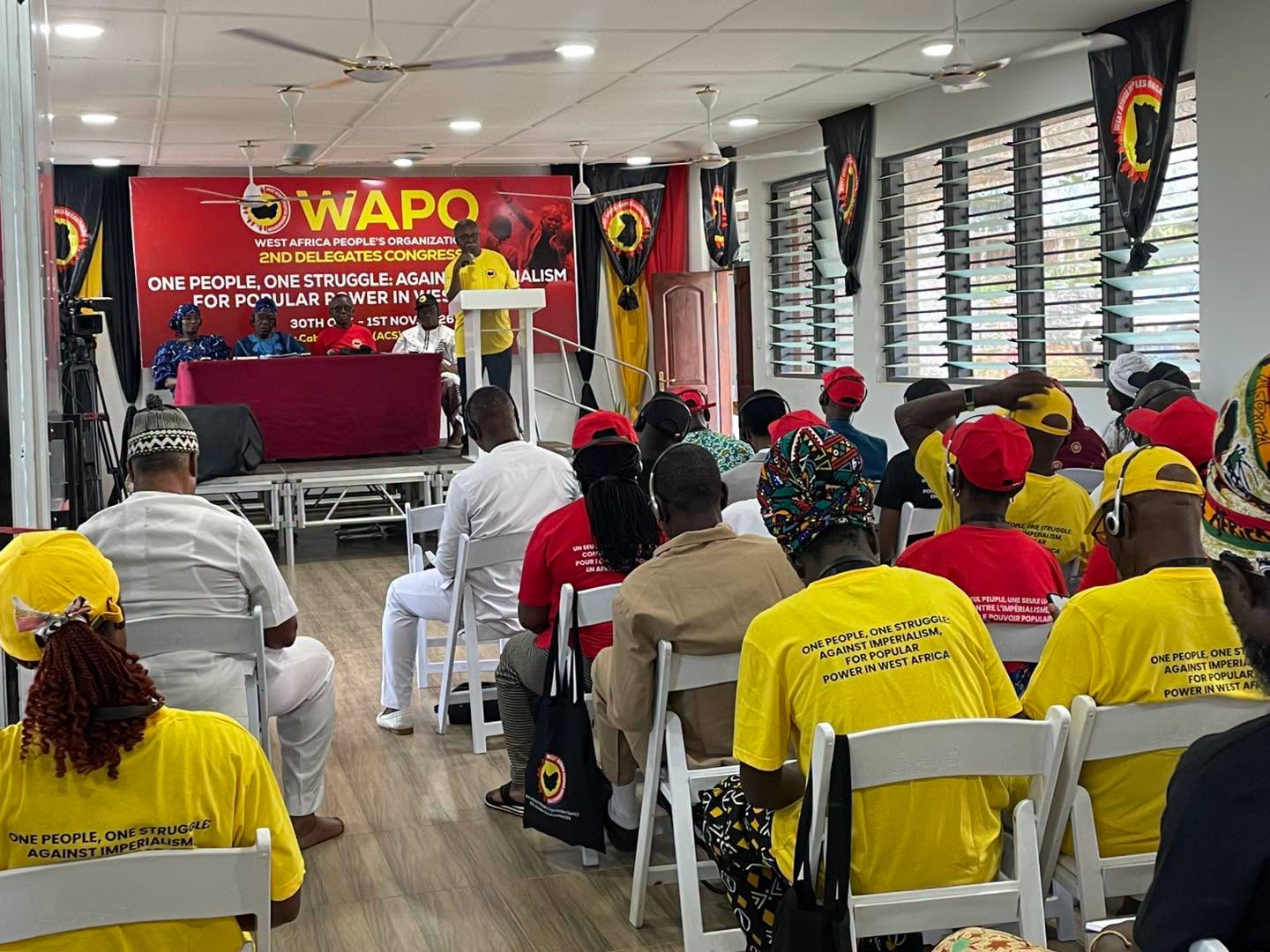
The Second Congress of the West Africa Peoples’ Organisation (WAPO), held in Ghana from 31 October to 1 November 2026, has renewed the call for reparatory justice, African sovereignty and a united regional struggle against imperialism and neo-colonialism.
Held under the theme “One People, One Struggle: Against Imperialism For Popular Power in West Africa,” the Congress brought together delegates, activists and organisers from across the West African sub-region to review the organisation’s work, assess the political and economic challenges facing the region, and chart a common direction for the struggles ahead.
The Congress placed the question of reparations within the wider historical and contemporary struggle for African liberation. The demand for reparatory justice is not simply a call for financial compensation for slavery and the transatlantic slave trade. It is also a demand for historical accountability and recognition of the continuing consequences of slavery, colonialism and imperialist exploitation on African societies.
During the opening programme, delegates, observers and international partners were welcomed by Kyeretwie Opoku, Convenor of the Socialist Movement of Ghana. The programme also featured an address by WAPO President Philippe Toyo Noudjenoume, the presentation of the organisation’s Secretariat Report and solidarity messages from fraternal organisations.
Reparations as part of the struggle for African liberation
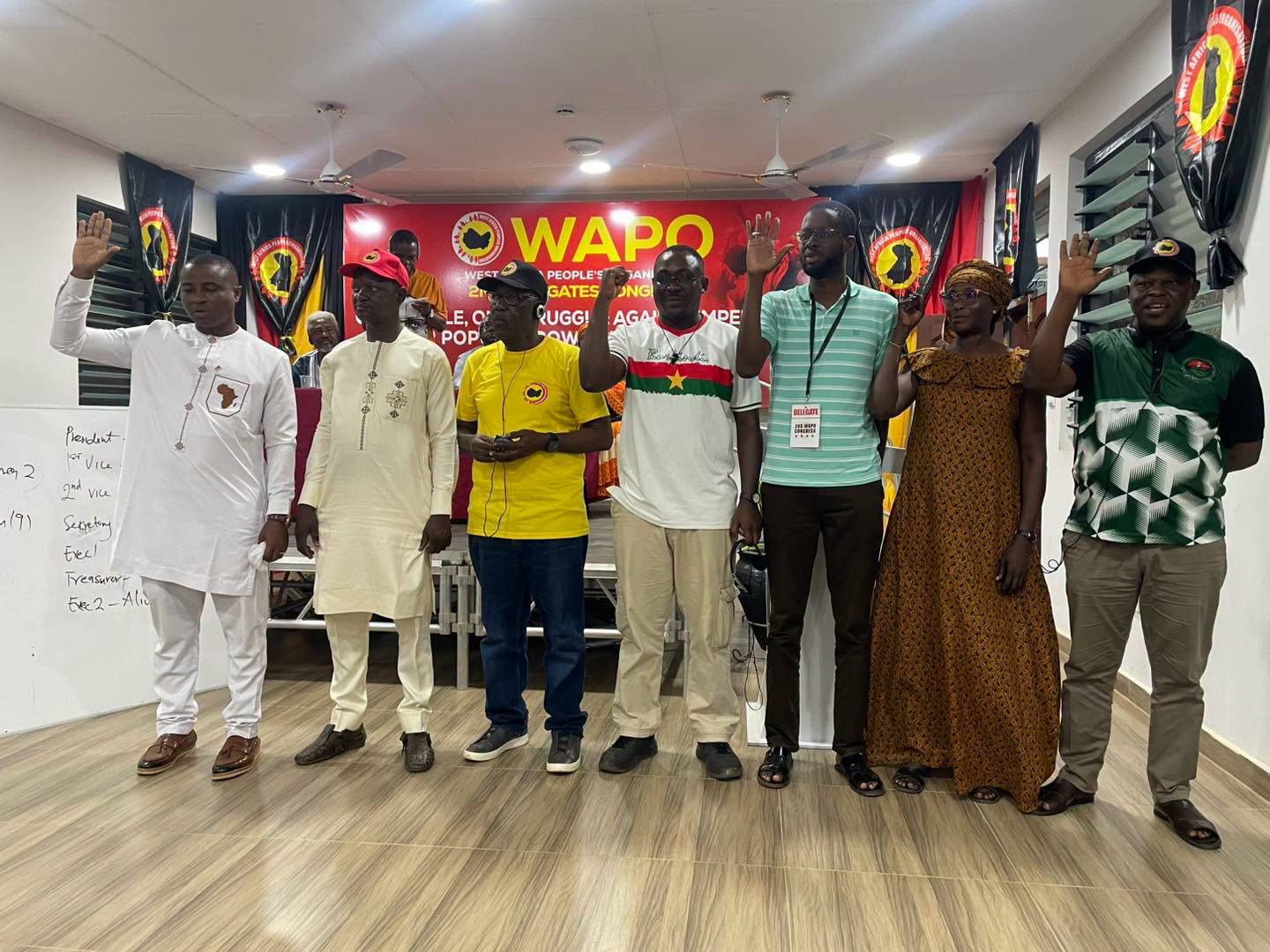
In his welcome address, Opoku urged the Congress to give serious attention to the reparations question, particularly as a means of engaging and mobilising young Africans around their history and present-day struggles. He argued that reparations should not be reduced to demands for financial compensation from countries that participated in the slave trade. Rather, the campaign should serve as an opportunity to educate, organise and mobilise younger generations around the historical roots of Africa’s present conditions and the need for fundamental transformation.
The renewed attention to reparations comes at a significant moment in the international debate. In March 2026, the United Nations General Assembly adopted Resolution A/RES/80/250, recognising the trafficking of enslaved Africans and racialised chattel enslavement as the gravest crime against humanity. The resolution, spearheaded by Ghana, received 123 votes in favour.
For African progressive forces, the significance of this development lies not only in international recognition but also in the continuing struggle to translate recognition into concrete measures of justice, restitution and redress. The historical extraction of African labour, resources and wealth helped build the prosperity of other regions while leaving enduring economic and social consequences across the continent. The reparations struggle therefore remains closely connected to demands for economic sovereignty, control over natural resources, industrial development and the right of African peoples to determine their own political and economic future.
A united front against imperialism and foreign domination
Addressing the Congress, WAPO President Philippe Toyo Noudjenoume called for political, economic and cultural transformation across Africa. He stressed the need for the continent and its people to command respect and exercise greater control over their collective destiny.
He also raised concerns about the enormous resources devoted to warfare while basic human development needs remain inadequately addressed. Resources, he argued, must be directed towards improving people’s living conditions.
Noudjenoume further drew attention to the deteriorating security situation in parts of the Sahel and the spread of violence towards coastal West African countries, including northern Benin and Togo. He called for stronger cooperation among regional organisations and popular movements to confront the challenges facing the sub-region. A central message emerging from the Congress was that the struggles of African peoples cannot be pursued effectively in isolation. The political, economic and security challenges confronting West African countries are interconnected and require organised regional responses.
The Congress also commended developments towards greater national control over natural resources, particularly efforts in Mali, Burkina Faso and Nigeria. These discussions reflected the importance of resource sovereignty and the need for African countries to ensure that their natural wealth serves the interests and development needs of their populations.
WAPO reports organisational growth
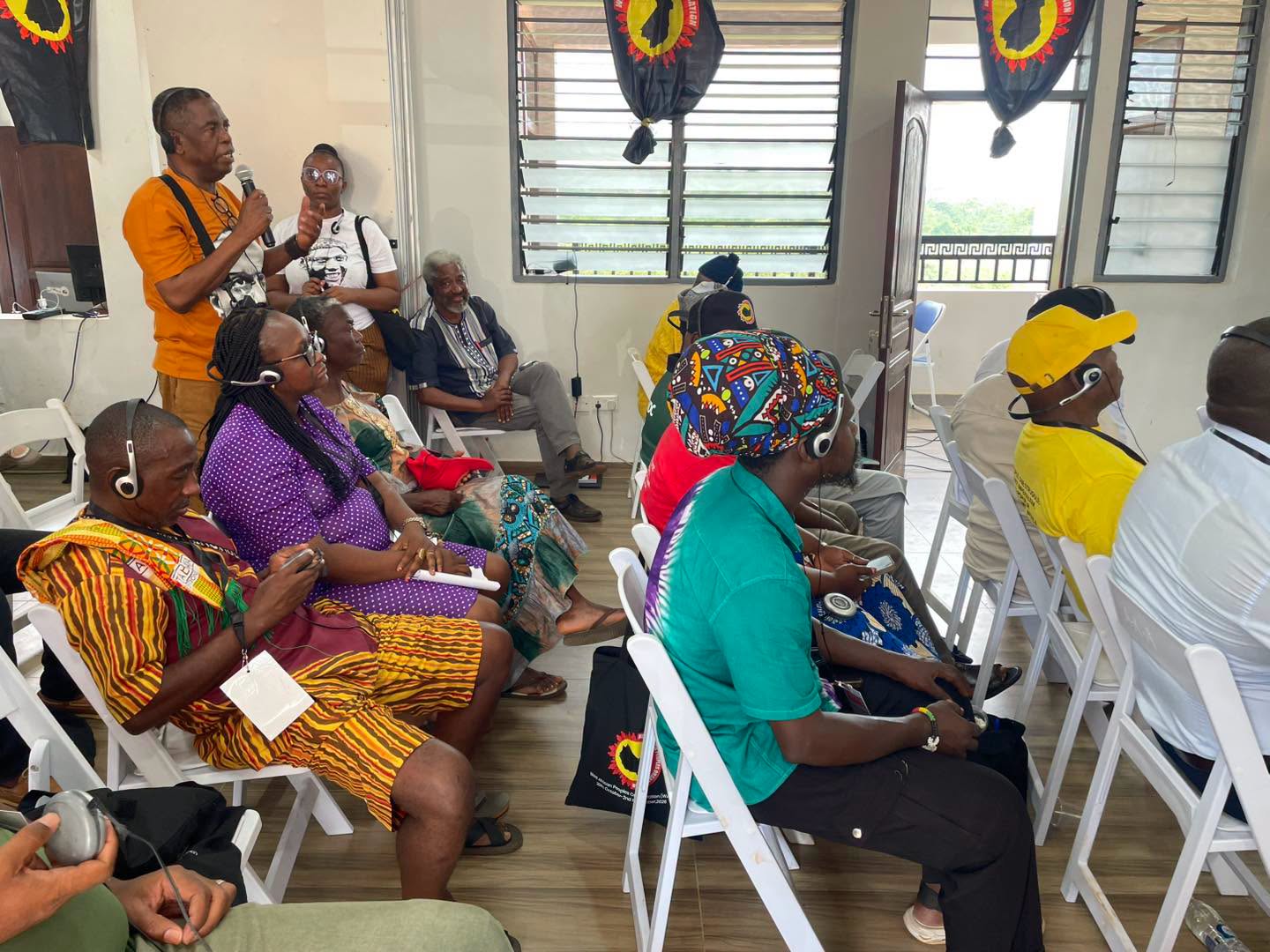
Presenting the organisation’s report for the 2022–2026 period, WAPO General Secretary Kafui Kan-Senaya reported that the organisation had expanded from 23 member organisations in 10 countries at its founding in December 2022 to 31 organisations across 11 countries. He also reported that 356 cadres, comprising 201 men and 155 women, had received political education and training through WAPO’s Amílcar Cabral School. The figures reflect the organisation’s efforts to strengthen political education, develop leadership and build cooperation among progressive organisations across the region.
Building popular power through regional solidarity
Established in Winneba, Ghana, in December 2022, WAPO brings together political parties, movements and social organisations committed to advancing Pan-Africanism, regional solidarity and the interests of working people.
Its Second Congress comes at a time when questions of sovereignty, foreign military presence, control over natural resources, economic dependence and the future of regional integration remain central to political debates across West Africa.
The Congress’s theme, “One People, One Struggle: Against Imperialism For Popular Power in West Africa”, speaks to the need to build stronger links among workers, farmers, women, young people, and other popular forces whose interests are affected by the region's political and economic direction.
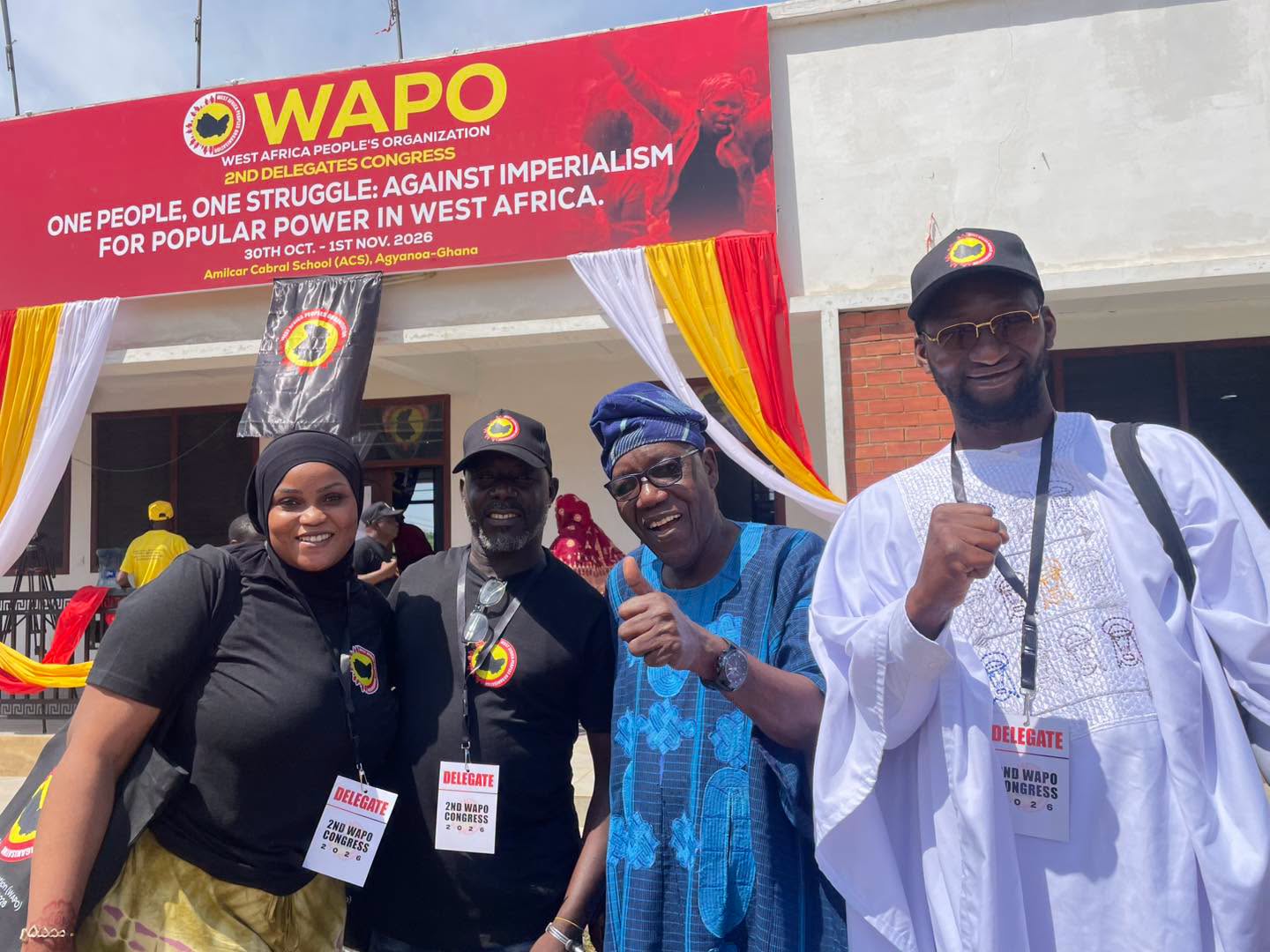
For the Pan-African Progressive Front (PPF), the Congress discussions underscore the importance of strengthening cooperation among progressive forces and advancing a people-centred vision of African unity. Reparatory justice, economic sovereignty and popular power must be understood as interconnected dimensions of the broader struggle for African emancipation.
The challenge ahead is to move beyond declarations and build the political organisation, regional solidarity and collective capacity necessary to turn these aspirations into concrete gains for the people of West Africa.