A generation has drawn its line.
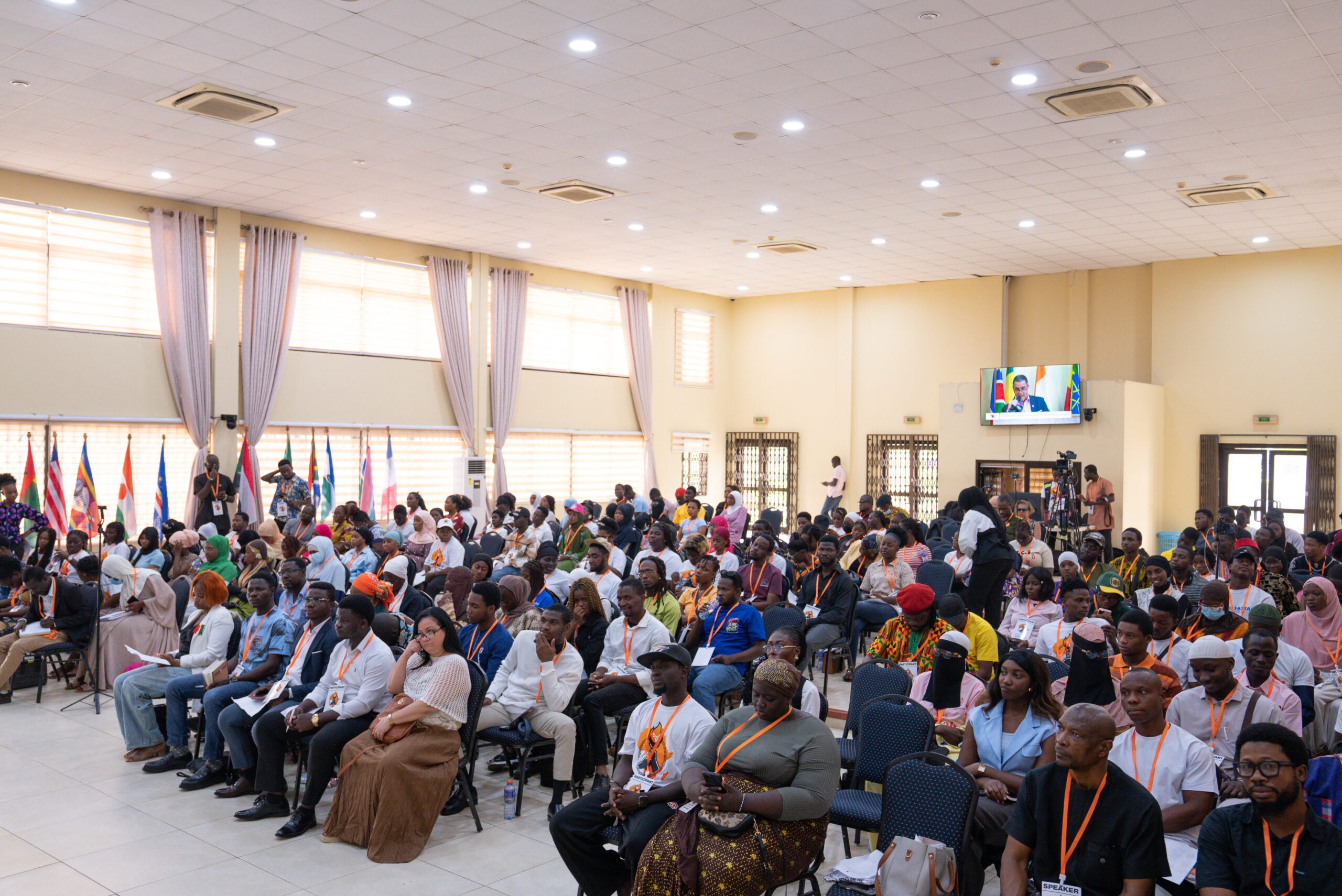
Inside the ISSER Conference Hall at the University of Ghana on Saturday, more than 250 young Africans from eleven countries did not gather to discuss their debt. They gathered to reject it, and to declare, in the plainest terms a movement can offer, that the age of quiet repayment is over.
The International Youth Forum — Africa’s Freedom Is In Our Hands, a Youth Forum on Debt and Reparations, convened by the Pan-African Progressive Front under the banner "Reclaiming Africa's Wealth, Resisting Neocolonial Bondage," was not staged as a conversation. It was staged as a mobilisation, and by the time it closed, it had produced one.
"We Are Here to Collect"
"The so-called debt crisis of Africa is not an accident, neither is it an African creation," declared Humphrey Abbey Quaye, Head of the Pan-African Progressive Front, naming the debt for what it is: slavery and colonial plunder, still being collected on, centuries later, with interest. "Today, the youth of Africa must tell the creditors and the former colonisers: we are here to collect, and collect we shall!"
That is the inversion at the heart of this movement. Africa is not the debtor. Africa is owed.
"Not Compensation. Equal Rights."
Kwesi Pratt Jnr, veteran journalist and author of Reparations: History, Struggle, Politics and Law, a text already placed before African Union Heads of State in Malabo, gave the demand its sharpest edge. "What we demand is not compensation," he told the delegates. "What we demand is equal rights." He named names and mechanisms alike: denouncing the attempted sale of Ghana's Volta Aluminium Company to foreign capital, condemning the IMF's grip on African budgets, and calling out the contradiction of governments who denounce colonialism in speeches while signing new military pacts with the very powers that colonised them. Reparations, in his framing, is not charity extended. It is a system reset, overdue.. He warned against signing defence agreements with Western governments and Intelligence agencies, as this has the ability to compromise the security of the Continent.
A Narrow Door in History
Chairing the Forum, Pan-Africanist Dr. Abu Sakara Foster read the present moment as history offering a narrow door. Africa's youth, he said, are "no longer bound by physical chains," but the chains have simply changed shape, into trade terms, resource extraction, and debt engineered to constrain a continent's choices before it makes them. The global order is destabilised, he warned, and it will not stay that way forever. What Africa's youth do with this window will not come again cheaply.
The Trap, Made Personal
Theresa Boateng brought the analysis home to the delegates in the room. Youth unemployment. Crushing student debt. Futures foreclosed before they are lived. These are not accidents of policy, she argued, they are the debt trap's intended output. Her charge was not sentiment; it was instruction: learn the continent's true history, join the organisations already fighting this war, and mobilise everywhere, campuses, communities, digital platforms, until this demand cannot be ignored.
Pressure Reaching the State
Even the Ghanaian state could not stay outside the room. Ambassador Francis Danti Kotia, representing the Foreign Minister, confirmed that reparations has moved from street demand to state diplomacy, briefing delegates on Ghana's role in the UN resolution and the global legal and restitution mechanisms now being built in its wake, evidence that pressure from below is already reshaping decisions made above.
What Comes Next
By the close, the Forum had produced what movements are built from: a mandate, not a memo.
- A Youth Chapter of the Accra Declaration
- A continental organising drive across campuses and communities
- A commitment to build the institutional architecture, national and regional, that will carry this demand from rally to law
Africa's debt was never a debt. It was extraction, given a ledger and called an obligation. On Saturday, in Accra, a generation refused the ledger, and committed, in its place, to the harder, longer discipline of anti-imperialist struggle.
— Pan-African Progressive Front