Headquartered in Accra, Ghana
The Accra headquarters is intended to serve as a strategic hub for Pan-African coordination, offering space for political education, policy development, and alliance building with grassroots and progressive forces across the continent and diaspora.
Pan-Africanism: The Fire of Freedom is a new documentary project by the Pan-African Progressive Front (PPF) that explores the historical roots and contemporary demands for reparations through a...
Africa may be owed more than $100 trillion for slavery and colonialism, according to preliminary findings from an ongoing reparations study by the Pan African Progressive Front Research team, which...
This is the true story of pan-Africanism, the indomitable spirit of resistance that swept across all continents to change the fate of Africa. From the cruel shackles of colonialism to the stubborn...
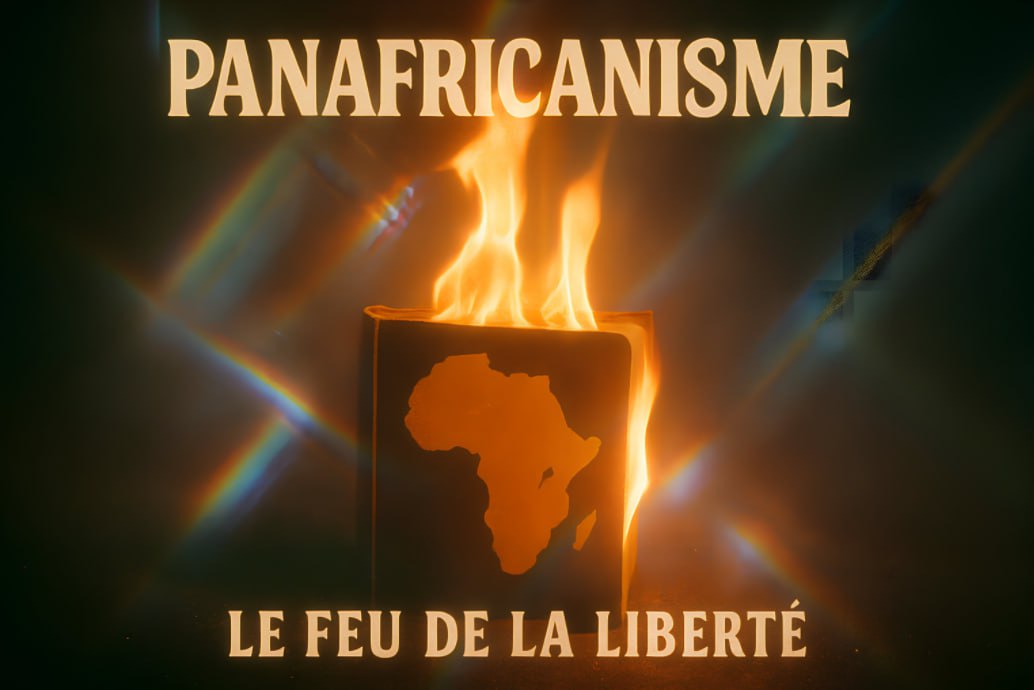
La flamme de la liberté ne s'est jamais éteinte. Voici la véritable histoire du panafricanisme, l'esprit indomptable de résistance qui a balayé tous les continents pour changer le destin de...
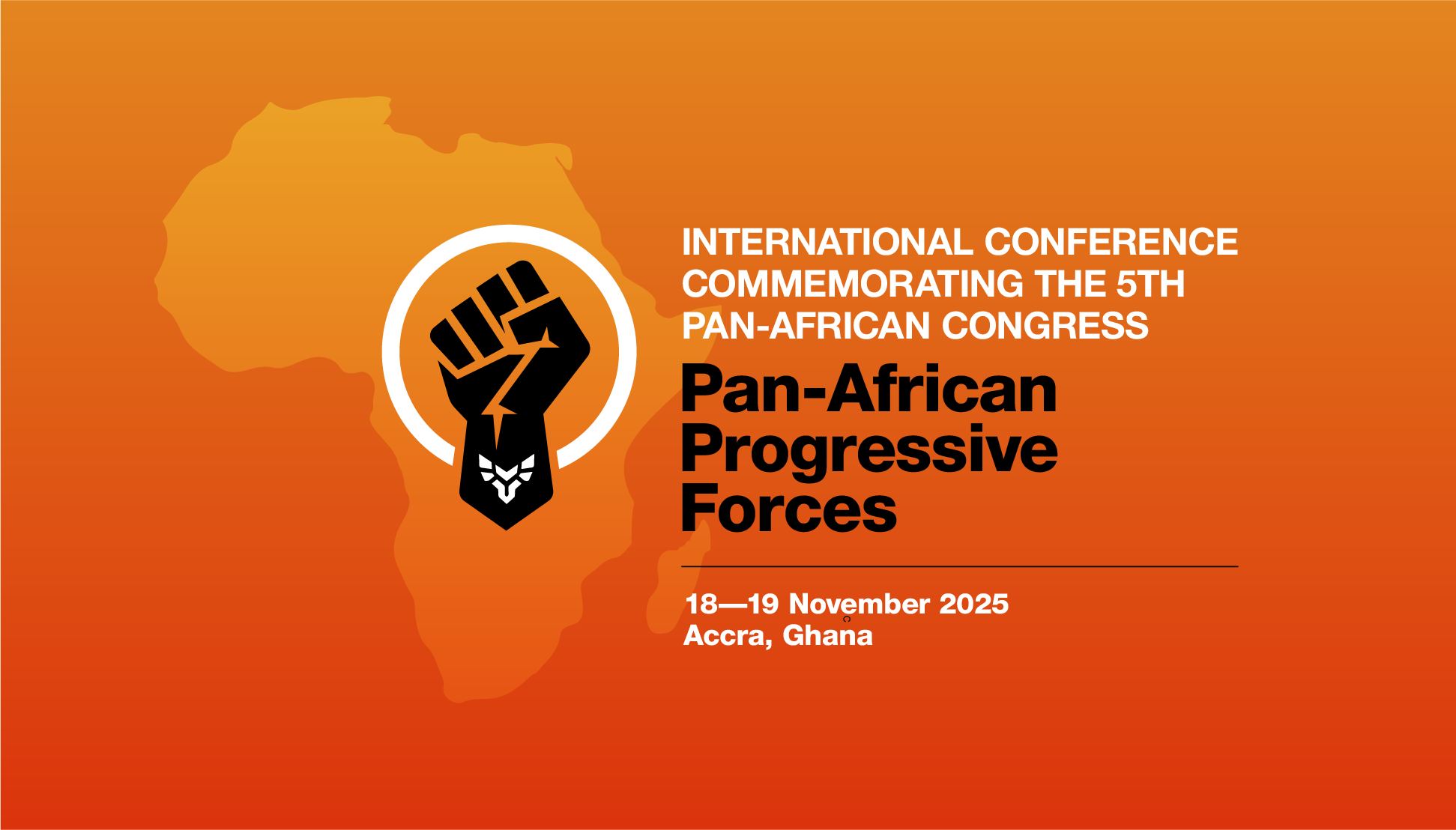
The Pan-African Progressive Front (PPF) is an international non-governmental organization headquartered in Accra, Ghana. It stands at the forefront of the fight for Africa’s unification and is...
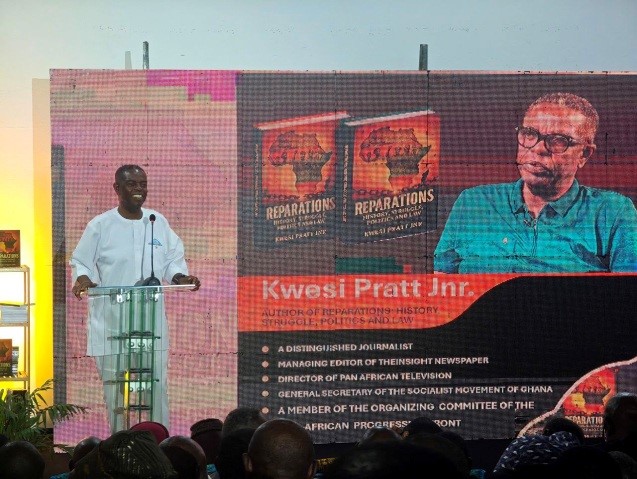
On September 9, 2025, with the support of the Pan-African Progressive Front (PPF). Mr. Pratt presented his book “Compensation for Damages. History, struggle, politics and law”. The event drew...
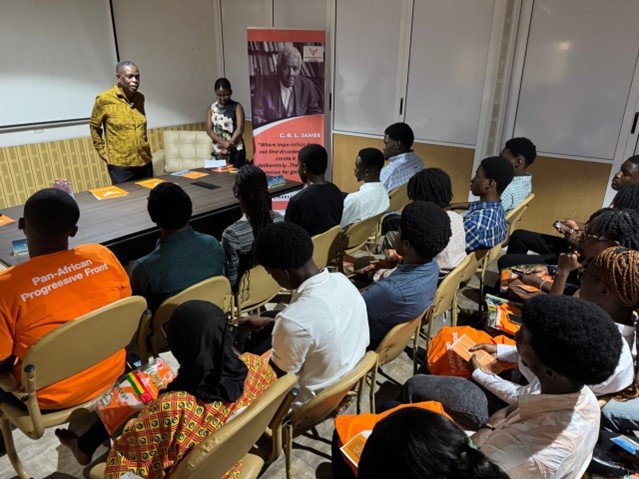
A public lecture organised by the Pan-African Progressive Front (PPF) has fired up students Accra Technical University to openly declare their readiness to support leaders willing to fight for...
Pan-Africanism: The Fire of Freedom is a new documentary project by the Pan-African Progressive Front (PPF) that explores the historical roots and contemporary demands for reparations through a Pan-African and anti-colonial lens.
The film traces the evolution of Pan-Africanism, drawing from Africa’s long struggle against colonialism, neocolonialism, and imperial domination. It highlights how progressive organisations today are organising, mobilising, and building political pressure around the global demand for reparative justice.
Using open archival materials, the documentary revisits the ideas and legacies of key Pan-African thinkers and freedom fighters, while connecting them to present-day struggles across Africa and the Global South, including developments in the Sahel region.
Produced as a non-commercial, educational project, this documentary is intended to deepen political consciousness, bridge history with current movements, and contribute to ongoing debates on African liberation, sovereignty, and reparations.
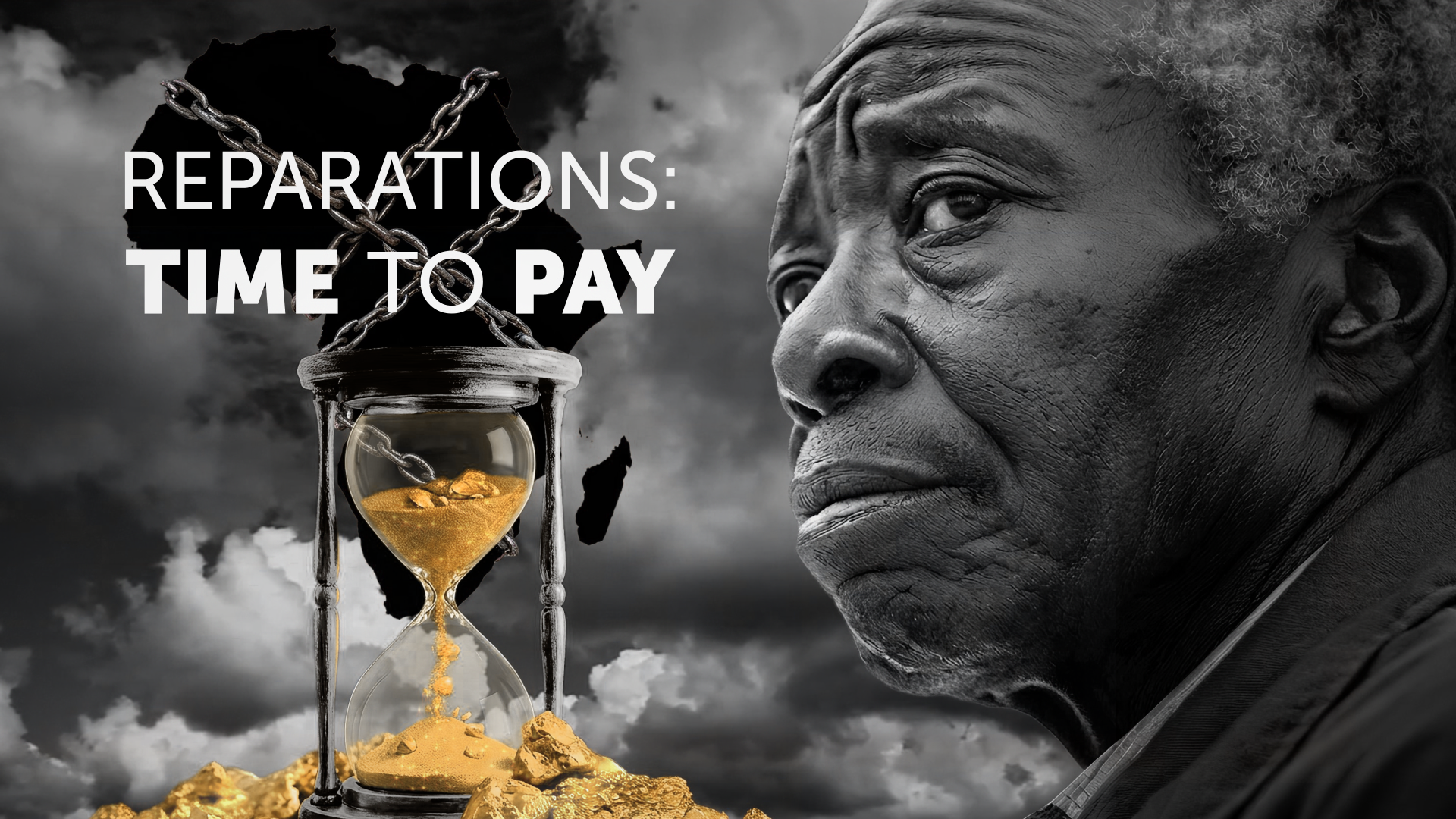
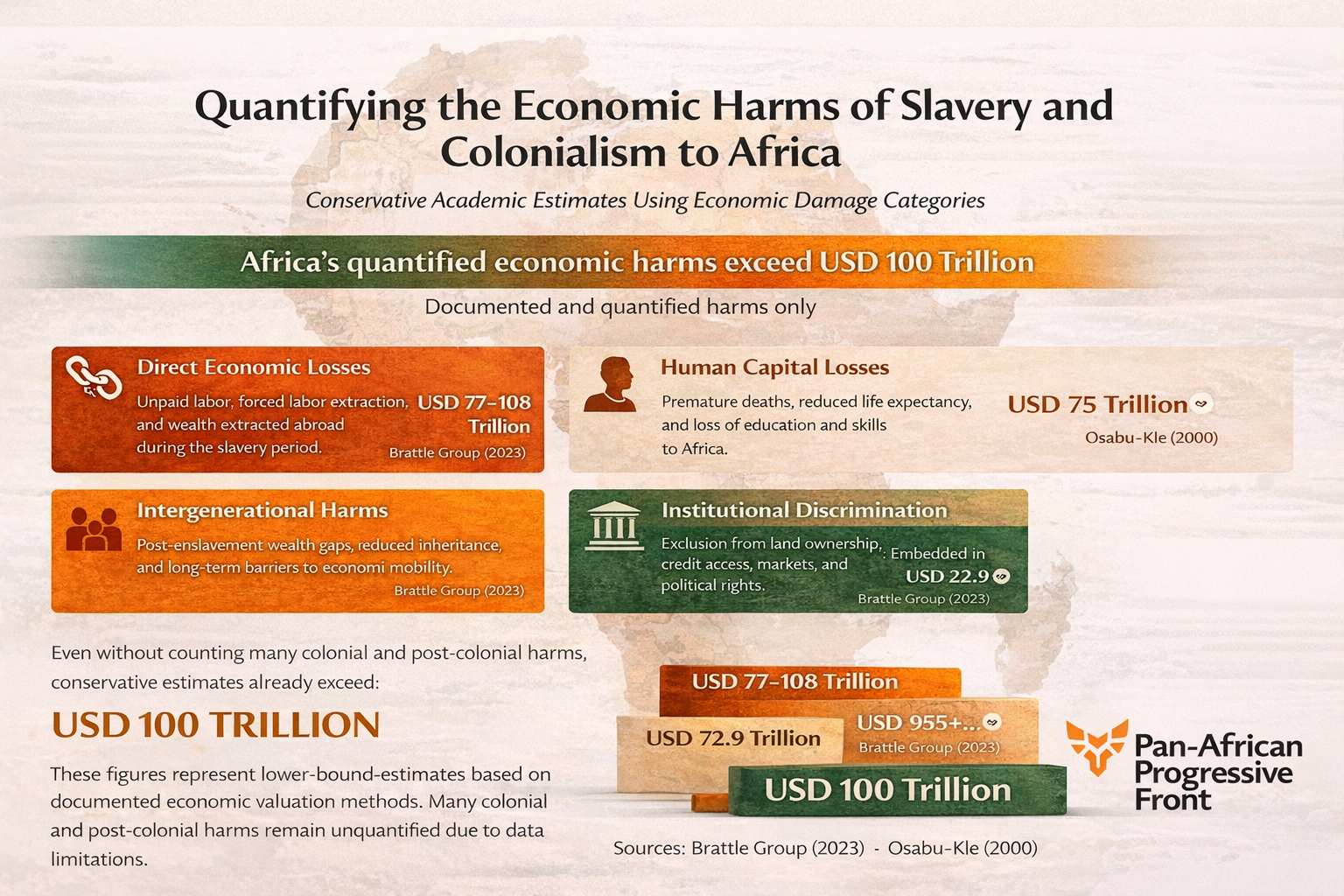
Africa may be owed more than $100 trillion for slavery and colonialism, according to preliminary findings from an ongoing reparations study by the Pan African Progressive Front Research team, which applies established economic methods to centuries of extraction, forced labor and mass human loss. Drawing on academic reviewed estimates and conservative valuation techniques, the research challenges the idea that reparations are symbolic or unquantifiable and instead frames them as unpaid historical debts that can be measured, debated and claimed.
The figures emerge from aggregating multiple categories of harm recognized in economic damage assessment and synthesized by the Pan African Progressive Front Research team on reparations. These include unpaid and exploited labor, loss of life and human capital, intergenerational wealth destruction and post enslavement exclusion from land, credit and political power. Using counterfactual analysis and time value of money adjustments, estimates cited by the research team from the Brattle Group place transatlantic slavery and its afterlives at between $100 and $131 trillion. Separate work referenced by the team by Daniel Osabu-Kle values human life losses alone at $75 trillion, while hedonic damage models assessing the loss of freedom across transatlantic, trans Saharan and Indian Ocean slave routes add several more trillions.
An often cited figure of $777 trillion, advanced in 1999 by the African World Reparations and Repatriation Truth Commission, emerged from a political and moral accounting of centuries of harm rather than a formally published economic valuation model. The current research does not dismiss this figure but situates it as an early movement-based articulation of scale, one that underscores the magnitude of Africa’s losses while highlighting the need for continued work to translate such claims into transparent economic methodologies suitable for legal and policy processes.
At minimum, the Pan African Progressive Front Research team on reparations concludes that credible economic tools already place Africa’s reparations claim firmly in the tens of trillions of dollars, with further work needed to clarify payment structures, institutional responsibility and feasible mechanisms for restitution. Even the most cautious figures exceed Africa’s current GDP many times over, underscoring that reparations would constitute a structural intervention in global political economy rather than aid, charity or discretionary development assistance.
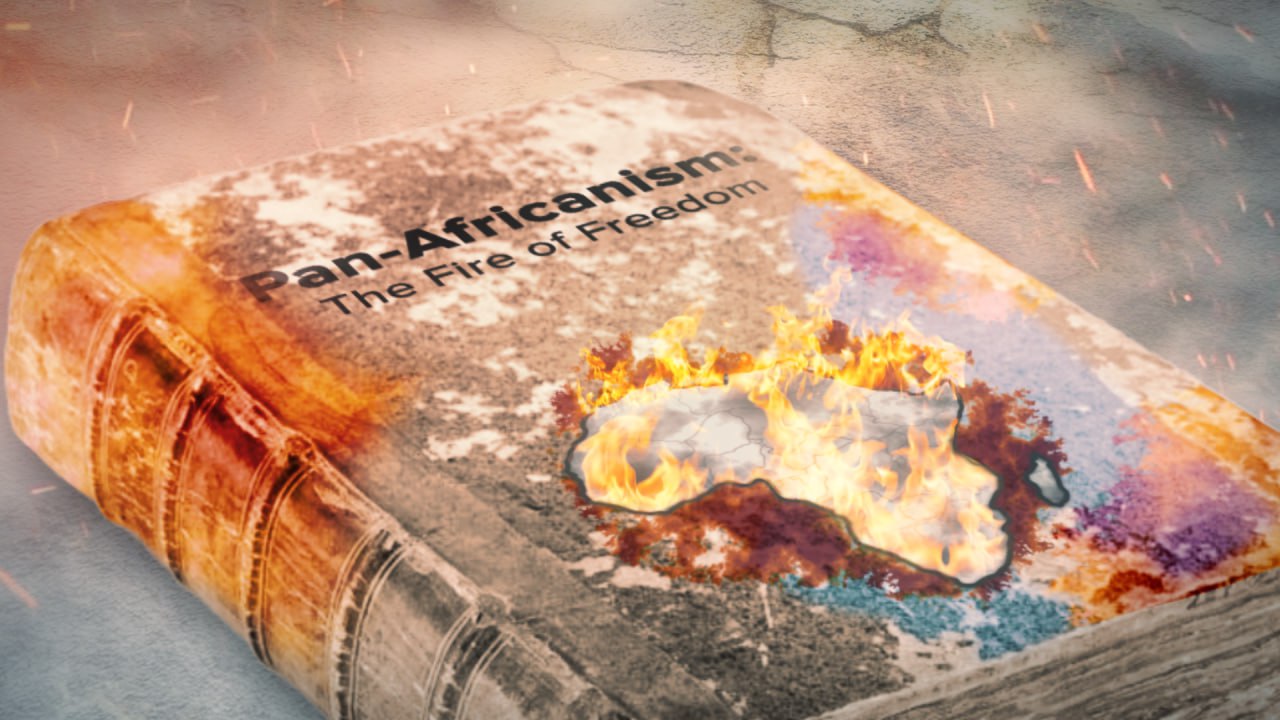
This is the true story of pan-Africanism, the indomitable spirit of resistance that swept across all continents to change the fate of Africa. From the cruel shackles of colonialism to the stubborn battles for independence, this documentary traces the difficult and vivid path of the revolutionary idea.
IN THIS DOCUMENTARY: The First Sparks: Meet the pioneers—Marcus Garvey, W.E.B. Du Bois, and Henry Sylvester Williams—who gave a name and a voice to the dream of “Africa for Africans.” The Torch is lit: The story of the 1945 Manchester Congress, where future leaders such as Kwame Nkrumah and Jomo Kenyatta moved from theory to action. Ghana’s Victory and the Year of Africa: Kwame Nkrumah’s strategic campaign that led to Ghana’s independence and the liberation of the continent, but Nkrumah’s vision of the United States of Africa faced enormous challenges. From words to weapons: why the struggle was often bloody, from Algeria to Kenya, and how the dream of unity was tested by the realities of new nation-states. Culture as a weapon: Like fire, the fire of pan-Africanism spread through the music of James Brown and Fela Kuti. The Enemy of the Flame: A stark analysis of the forces that sought to extinguish Pan-Africanism—from the overthrow of Nkrumah and assassination of Lumumba, to the modern-day neocolonial tactics of the “collective West.” The Fire Today: See how the flame burns in the Sahel nations of Mali, Burkina Faso, and Niger as they expel foreign militaries and reclaim sovereignty, proving the fight against neocolonialism is far from over. This is not just history. It’s the story of a living, breathing movement that continues to shape the fight for dignity, unity, and true liberation across Africa and the Global South.
La flamme de la liberté ne s’est jamais éteinte. Voici la véritable histoire du panafricanisme, l’esprit indomptable de résistance qui a balayé tous les continents pour changer le destin de l’Afrique. Des fers cruels du colonialisme aux luttes opiniâtres pour l’indépendance, ce documentaire retrace le parcours difficile et vivant de l’idée révolutionnaire. DANS CE DOCUMENTAIRE : Les Premières Étincelles : Découvrez les pionniers – Marcus Garvey, W.E.B. Du Bois et Henry Sylvester Williams – qui ont donné un nom et une voix au rêve de « l’Afrique aux Africains ». Le Flambeau est Allumé : Le récit du Congrès de Manchester de 1945, où des futurs leaders comme Kwame Nkrumah et Jomo Kenyatta sont passés de la théorie à l’action. La Victoire du Ghana et l’Année de l’Afrique : La campagne stratégique de Kwame Nkrumah qui a mené à l’indépendance du Ghana et à la libération du continent, mais la vision de Nkrumah des États-Unis d’Afrique s’est heurtée à d’immenses défis. Des Mots aux Armes : Pourquoi la lutte fut souvent sanglante, de l’Algérie au Kenya, et comment le rêve d’unité a été mis à l’épreuve par les réalités des nouveaux États-nations. La Culture comme Arme : Comme un feu, la flamme du panafricanisme s’est propagée à travers la musique de James Brown et Fela Kuti. L’Ennemi de la Flamme : Une analyse sans concession des forces qui ont cherché à éteindre le panafricanisme – du renversement de Nkrumah et l’assassinat de Lumumba, aux tactiques néocoloniales modernes du « collectif occidental ». Le Feu Aujourd’hui : Voyez comment la flamme brûle dans les nations du Sahel que sont le Mali, le Burkina Faso et le Niger, alors qu’elles expulsent les militaires étrangers et reprennent leur souveraineté, prouvant que la lutte contre le néocolonialisme est loin d’être terminée. Ce n’est pas seulement de l’histoire. C’est le récit d’un mouvement vivant, qui continue de façonner le combat pour la dignité, l’unité et la véritable libération à travers l’Afrique et le Sud Global.
The Pan-African Progressive Front (PPF) is an international non-governmental organization headquartered in Accra, Ghana. It stands at the forefront of the fight for Africa’s unification and is committed to coordinating and supporting progressive movements across Africa and the diaspora, with the goal of advancing the true interests and future of our continent. Inspired by the vision of the great Dr. Kwame Nkrumah and other Pan-Africanists, PPF believes that Africa’s destiny must rest in the hands of its own people, and that its future lies in its political and economic unity – serving as the bedrock of our strength and continental sovereignty.
The meeting will convene progressive forces from across the globe, including leaders of political parties, social movements, academia, civil society, and the diaspora.
The conference aims to take stock of contemporary challenges and opportunities and will culminate in the adoption of the “Accra Declaration.” This pivotal document will outline concrete actions on key issues such as African integration, justice, reparations, youth employment, peace and security, intra-African trade, and a mutual economic program. The occasion will be graced by the presence of some heads of state and other distinguished statespersons from Africa and beyond.
For any inquiries, please do not hesitate to contact our Event Coordinator, Maame Abena Asare, at panafricanprogressivefront@gmail.com or +233 541970070 (WhatsApp).
On September 9, 2025, with the support of the Pan-African Progressive Front (PPF). Mr. Pratt presented his book “Compensation for Damages. History, struggle, politics and law”.
The event drew a distinguished audience, including Ghana’s President John Dramani Mahama, ambassadors, high commissioners, traditional leaders, and political representatives.
The book, described by many as groundbreaking, lays out for the first time a clear, simple, yet uncompromising argument for reparations.
It links the historical crimes of slavery and colonialism with practical proposals for compensation, estimating Africa’s entitlement at trillions of dollars: $2–3 trillion for unpaid slave labour, $4–6 trillion for colonial extraction, $500 billion for debt cancellation, $50 billion for stolen artefacts, and $1 trillion for climate reparations.
Before launching the book, President Mahama, who wrote the foreword, emphasised that reparations were not optional benevolence but a necessity for justice. “Reparations are not charity. They are justice, and justice must be visible,” he told the gathering, commending Mr. Pratt for producing a work that gave direction to Africa’s struggle.
At the same time, Kwesi Pratt’s main message remained uncompromisingly resolute: Africa must reclaim its future by freeing itself from the structures imposed by its colonial past.
Written with the support of the Pan-African Progressive Front (PPF), the book has already been presented to Heads of State at the African Union summit in Malabo in July 2025, receiving massive endorsement from African leaders.
A public lecture organised by the Pan-African Progressive Front (PPF) has fired up students Accra Technical University to openly declare their readiness to support leaders willing to fight for reparations and resist the grip of imperialist powers.
This meeting with students is a part of the PPF’s ongoing lecture series, which features a screening of the Kenyan-produced documentary film “Reparations: The Colonial Debt,” with journalist and PPF coordinating committee member Kwesi Pratt, author of book “Reparations: History, Struggle, Politics and Law,” and Humphrey Quaye, head of the PPF headquarters in Accra urging young people to understand the destructive historical role of colonization, the ongoing damage caused by neocolonialism, as well as the urgent need to demand reparations from the West.
Mr. Pratt explained that the reparations are not just some symbol of a historical justice, but a concrete demand backed by concrete numbers: trillions of dollars as a compensation for colonial resource extraction, stolen labor, climate damage and artifacts that are still stored in European museums.